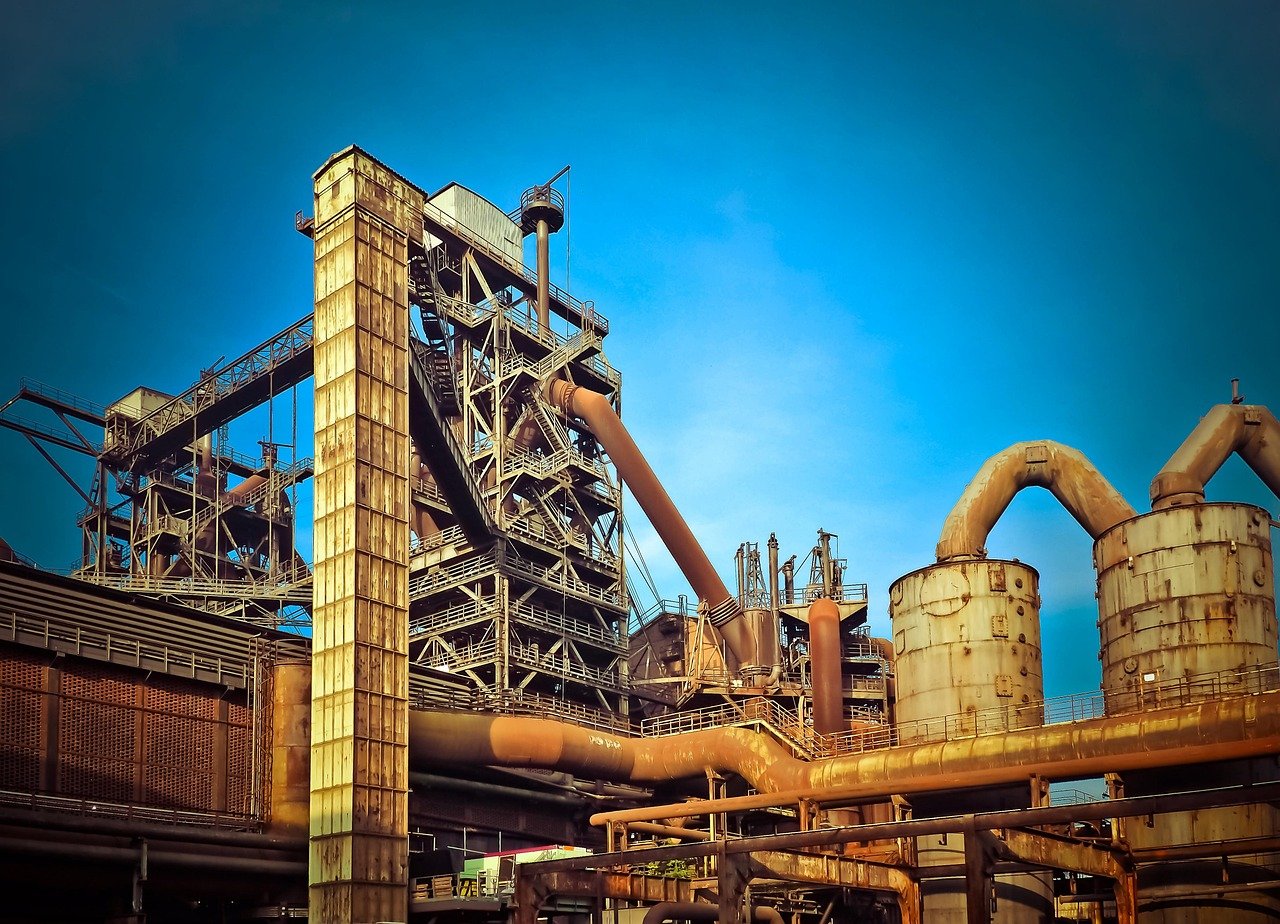

Key Factors Driving Industrial Property Investment in Manufacturing Hubs
1. Economic Growth
Manufacturing hubs are often located in regions experiencing economic growth, which drives demand for industrial properties. Economic indicators, such as GDP growth rates, consumer spending, and investment in infrastructure, influence the attractiveness of these regions for investors. Areas with strong economic performance tend to offer a more favorable environment for businesses, leading to an increased need for manufacturing space.
2. Government Policies and Incentives
Governments play a significant role in shaping industrial property investment through policies and incentives. Tax breaks, grants, and reduced regulatory hurdles can make certain manufacturing hubs more appealing. Economic development initiatives also often focus on attracting industry by establishing special economic zones or enterprise zones that offer benefits to companies investing in those areas.
3. Transportation Infrastructure
Proximity to major transportation infrastructure is a critical factor for industrial property investment. Manufacturing hubs with well-developed logistics networks, including highways, railroads, and ports, make it easier for businesses to move goods efficiently. This not only lowers operational costs but also enhances supply chain fluidity, making it a prime location for distribution and production facilities.
4. Labor Availability and Workforce Skills
A skilled labor pool is essential for manufacturers. Regions that offer a workforce with the necessary skills and training in technical fields attract more industrial investment. Areas with established vocational training programs, partnerships with local colleges, and a history of workforce development tend to have a competitive advantage. Additionally, demographic trends can influence labor availability, impacting decisions for manufacturing investments.
5. Technological Advancements
The manufacturing sector is incredibly dynamic and influenced by rapid technological advancements, such as automation and the adoption of smart manufacturing techniques. Industrial property investors must assess the technological landscape of a region. Hubs embracing digital transformation and Industry 4.0 practices are more likely to attract companies looking for modern facilities equipped to meet new manufacturing standards.
6. Demand for E-commerce and Warehousing
The e-commerce boom has significantly impacted industrial property investment dynamics. Manufacturing hubs that are strategically located to support distribution and fulfillment centers see a surge in demand. Investors need to consider proximity to major consumer markets and logistical efficiency in order to capitalize on the growing needs of online retail companies.
7. Sustainability and Green Initiatives
There is a growing focus on sustainability in the manufacturing sector, affecting property investment decisions. Many companies are seeking facilities that meet environmental standards and incorporate energy-efficient designs. Industrial properties that align with green initiatives, such as LEED certification or utilizing renewable energy sources, are becoming increasingly attractive to investors concerned about long-term viability and compliance with environmental regulations.
8. Market Demand and Supply Dynamics
Investors need to analyze market demand and supply for industrial properties in targeted manufacturing hubs. The balance between available spaces and the demand from new and expanding businesses will play a critical role in property values. Regions experiencing low vacancy rates often signal strong demand, making them prime candidates for investment.
9. Global Trade Dynamics
Global trade policies and relationships significantly affect industrial property investments. Tariffs, trade agreements, and international relations can influence operational costs for manufacturing companies. Specifically, regions that enhance their facilitation of imports and exports tend to attract industries reliant on global supply chains.
10. Diversification of Manufacturing Sectors
Regions known for diversified manufacturing sectors can be more resilient against economic fluctuations. Investing in industrial properties located in these hubs allows investors to capitalize on the stability offered by various industries, reducing risk tied to any single economic sector. Areas with a mix of traditional manufacturing alongside emerging sectors like biotech, aerospace, and renewable energy provide a safer investment landscape.
11. Urbanization and Population Growth
Urbanization trends lead to increased demand for manufacturing facilities as cities expand. Areas experiencing significant population growth often require localized manufacturing to meet consumer demand. Industrial properties situated within expanding urban centers can yield high returns due to the combination of increased demand for goods and the proximity to a growing customer base.
12. Real Estate Market Dynamics
Investors also need to consider the broader real estate market dynamics when investing in industrial properties. Understanding regional trends in real estate prices, land availability, and zoning regulations can inform investment decisions. Areas designated for industrial use often have predetermined growth potential, making them more attractive for long-term investment.
13. Financing and Investment Trends
The availability of financing and shifts in investment trends are crucial for industrial property investment. Interest rates, lending practices, and the appetite for real estate investments in industrial sectors directly influence the feasibility of investments. Private equity firms and institutional investors are increasingly pursuing industrial properties, recognizing their potential for stable cash flow and appreciation.
14. Influence of Global Supply Chains
The ongoing evolution of global supply chains, especially after major disruptions like the COVID-19 pandemic, has compelled many manufacturers to rethink their operational strategies. Companies are reshoring or diversifying their manufacturing capabilities to mitigate risks. This trend often leads to increased investment in industrial properties that allow for agile manufacturing and distribution operations.
15. Sector-Specific Growth Drivers
Different manufacturing sectors showcase unique growth drivers that affect where industrial properties are developed and acquired. For example, the automotive industry thrives around regions with specialized suppliers and a strong workforce, while technology manufacturing may cluster near tech hubs rich in innovation and talent. Investors should focus on these sector-specific nuances to identify the best opportunities in industrial property investment.
16. Infrastructure Resilience and Disaster Preparedness
The resilience of infrastructure within manufacturing hubs plays a pivotal role in investment decisions. Regions with robust disaster preparedness and resilience strategies against natural disasters ensure continuity of operations, making them attractive for manufacturing investments. Properties that are designed to withstand disruptions—be they from natural disasters or supply chain shocks—are more likely to maintain their value.
17. Rental Yields and Property Appreciation
Investors assess potential rental yields and property appreciation when considering industrial property investments. Manufacturing hubs with a track record of increasing property values or consistent rental income tend to draw more interest. High returns can be achieved in areas with limited supply coupled with strong demand from incoming businesses.
18. Networking and Business Ecosystems
The presence of a strong business ecosystem can be a catalyst for industrial property investment. Networking opportunities, industry clusters, and collaborative ecosystems encourage innovation and growth, attracting more manufacturers to the area. Investors should evaluate the existing business networks in potential investment regions and their influence on attracting new tenants.
19. Economic Resilience and Recovery Indicators
Regions that demonstrate economic resilience and positive recovery indicators following downturns can be more attractive for industrial property investments. Areas displaying a quick rebound in industrial production, employment, and business activity showcase their potential for positive economic trajectories, reassuring investors of stability in their investments.
20. Demographic Shifts and Consumer Trends
Finally, demographic shifts and evolving consumer trends impact industrial property investments by influencing the types of goods manufactured and the locations of facilities. Investors should monitor demographic data, such as age, income levels, and urban versus rural residence trends, to inform their strategies. Regions adapting to new consumer preferences, such as sustainability or local production, are well-positioned to attract significant investment in industrial properties.
