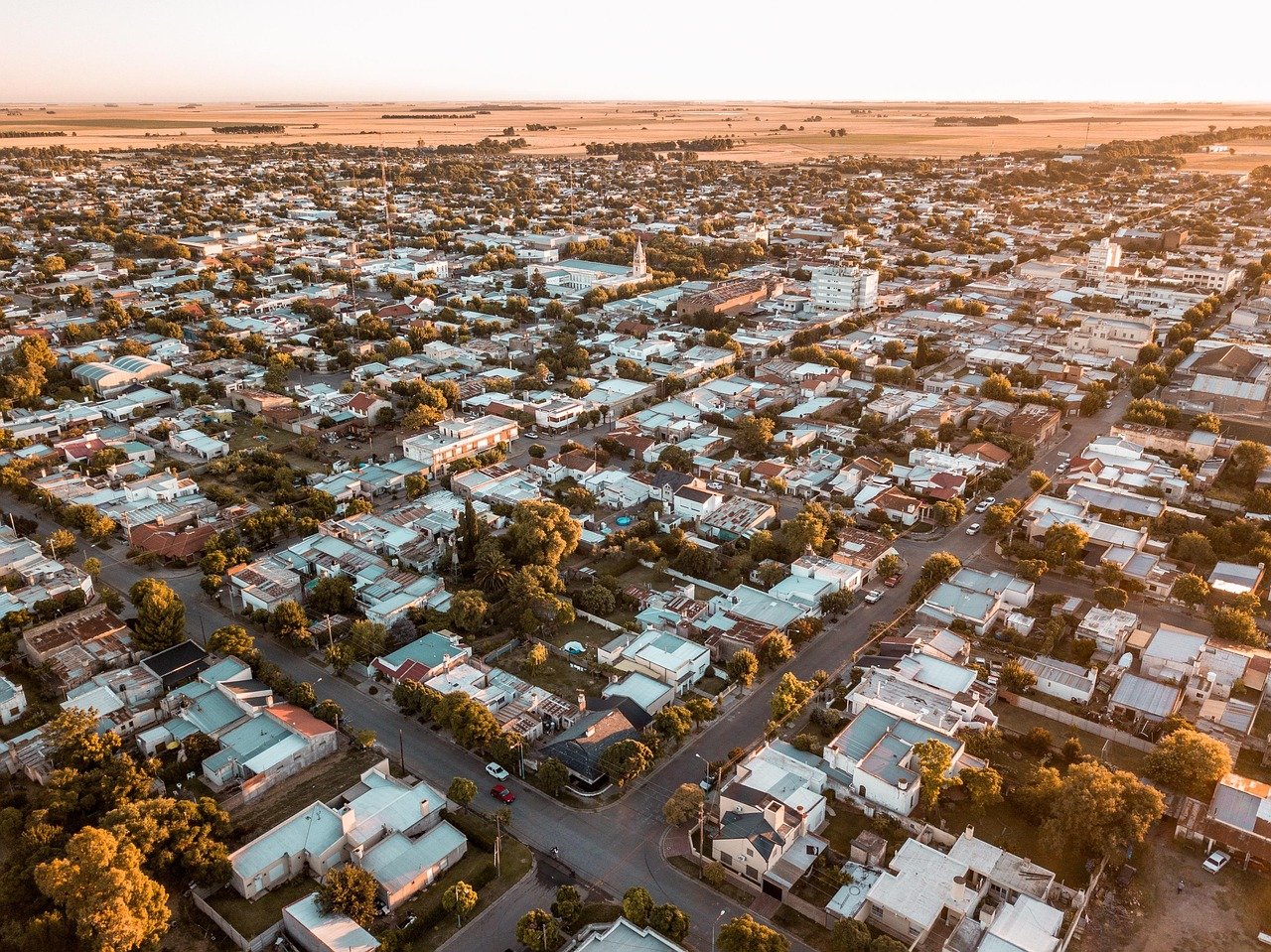

Key Insights into Industrial Development in Major Manufacturing Cities
Historical Context of Industrial Development
Industrial development in major manufacturing cities has evolved significantly over the decades, rooted in the Industrial Revolution of the 18th century. Cities like Manchester, Detroit, and Tokyo emerged as manufacturing powerhouses, propelled by innovations in technology and production processes. Understanding the historical backdrop provides clarity on current trends. The shift from manual labor to factory systems not only transformed urban landscapes but also influenced labor markets, population densities, and socio-economic structures within these cities.
Current Manufacturing Trends
Today, major manufacturing cities are witnessing a blend of advanced technologies and traditional manufacturing practices. Automation, artificial intelligence, and the Internet of Things (IoT) have rapidly integrated into production facilities, enhancing efficiency and reducing costs. Cities like Shenzhen have become global hotspots for electronics manufacturing, while the Midwest of the United States remains a stronghold for automotive manufacturing.
Regional Specialization and Economic Diversification
Economic diversification is critical for the sustainability of manufacturing cities. Regions often specialize in certain sectors; for instance, San Jose is synonymous with Silicon Valley and tech manufacturing, while Chicago boasts a diverse range of production in food processing, machinery, and printing. This specialization allows cities to develop targeted infrastructure and workforce training programs, leading to increased productivity and competitiveness on a global scale.
Workforce and Labor Markets
The labor market dynamics in major manufacturing cities are shifting due to technological advances and global competition. There’s a pressing need for upskilling and reskilling the workforce. Automation has altered job requirements, prompting a demand for workers with technical skills and problem-solving abilities. Local governments and educational institutions are increasingly collaborating to develop training programs that align with industry needs, ensuring that the workforce is prepared to meet the challenges of modern manufacturing.
Impact of Sustainability and Green Manufacturing
Sustainability has become a core tenet of industrial development in manufacturing cities. With the rise of climate change awareness, there’s a concerted push toward green manufacturing practices. Cities are focusing on reducing waste, lowering emissions, and utilizing renewable energy sources in production processes. For instance, cities like Amsterdam are leading initiatives that promote circular economy principles, encouraging manufacturers to rethink their supply chains and products.
Technological Innovations Driving Growth
Technological innovation remains a crucial driver of growth in major manufacturing cities. Advancements in robotics, big data analytics, and additive manufacturing (3D printing) are reshaping how products are designed and produced. These technologies enhance precision and speed while significantly lowering production costs. Cities that invest in R&D infrastructure, such as Boston, foster an environment that attracts tech startups and established manufacturers alike, creating a symbiotic relationship that benefits all parties involved.
Global Supply Chain Dynamics
The interconnectedness of global supply chains presents both opportunities and challenges for manufacturing cities. Cities are re-evaluating their positions within global markets, with a growing emphasis on nearshoring and local sourcing to mitigate risks associated with global disruptions. The COVID-19 pandemic highlighted vulnerabilities in supply chains, prompting cities to adopt more resilient practices. Manufacturing hubs that can swiftly adapt to changing global conditions are better positioned to thrive in today’s economy.
Infrastructure Development
Infrastructure plays a vital role in supporting industrial growth. Efficient transport networks, including roads, rail, and ports, facilitate the smooth movement of goods. Cities that prioritize infrastructure investment enhance their attractiveness to new and established manufacturers. For example, the significant upgrades to the Port of Los Angeles have bolstered its capacity, making it one of the busiest ports in the world and a key player in international trade.
Urbanization and Its Challenges
The rapid urbanization characteristic of many manufacturing cities brings both opportunities and challenges. While growing populations can boost demand for products, this can strain existing infrastructure, housing, and public services. Cities often face difficulties in balancing industrial growth with sustainable urban living conditions. Effective urban planning and policy measures are essential to mitigate these challenges, ensuring a high quality of life for residents while supporting industrial expansion.
Investment and Economic Incentives
Financial incentives play a critical role in attracting manufacturers to major cities. Tax breaks, grants, and state-sponsored initiatives can entice companies to invest in local operations. For instance, many cities have established innovation districts designed to foster collaboration between businesses, universities, and research institutions. This ecosystem not only attracts investment but also nurtures a culture of creativity and entrepreneurship.
Regulatory Environment and Trade Policies
The regulatory landscape surrounding manufacturing is continuously evolving. Trade policies, environmental regulations, and labor laws can significantly impact operational practices. Major manufacturing cities must navigate these complexities to maintain competitiveness. Proactive engagement between local governments and industry stakeholders helps shape policies that support sustainable industrial growth while addressing public concerns.
The Role of Smart Manufacturing
Smart manufacturing, characterized by real-time data collection and analysis, is reshaping the industrial landscape. Cities embracing these technologies enhance their production capabilities and streamline operations. For example, the concept of Industry 4.0 integrates cyber-physical systems, enabling smarter factories that improve efficiency and transparency. Major manufacturing cities investing in smart technologies are better equipped to respond to market fluctuations and consumer demands.
Global Competitiveness and Challenges
The competition among major manufacturing cities is intensifying on a global scale. Cities must continually innovate and adapt to remain relevant. Factors like labor costs, technological capabilities, and accessibility to markets determine competitiveness. Periodic benchmarking against emerging manufacturing hubs worldwide enables cities to identify areas for improvement and implement strategies to bolster their positions in the global economy.
Community Engagement and Social Responsibility
The implications of industrial development extend beyond the economic sphere; community engagement and corporate social responsibility are vital for fostering positive relationships with the local populace. Manufacturing cities increasingly recognize the importance of contributing to community welfare through job creation and sustainable practices. Building trust with stakeholders promotes a more supportive environment for industrial initiatives.
Future Trends in Manufacturing Cities
Looking forward, major manufacturing cities are likely to prioritize resilience and adaptability. Enhanced focus on digital transformation, sustainability, and community engagement will shape the future trajectory of industrial development. They will need to leverage technological advancements while addressing pressing socio-economic challenges, ensuring a balanced approach to growth that aligns with broader societal goals.
Final Thoughts on Manufacturing Cities
Understanding the landscape of industrial development in major manufacturing cities reveals the intricate interactions between historical context, economic trends, technological advancements, and community dynamics. As these cities evolve, keeping a pulse on innovations, strategic planning, and labor market dynamics will be crucial in fostering a viable manufacturing sector that contributes to global economic vitality.
