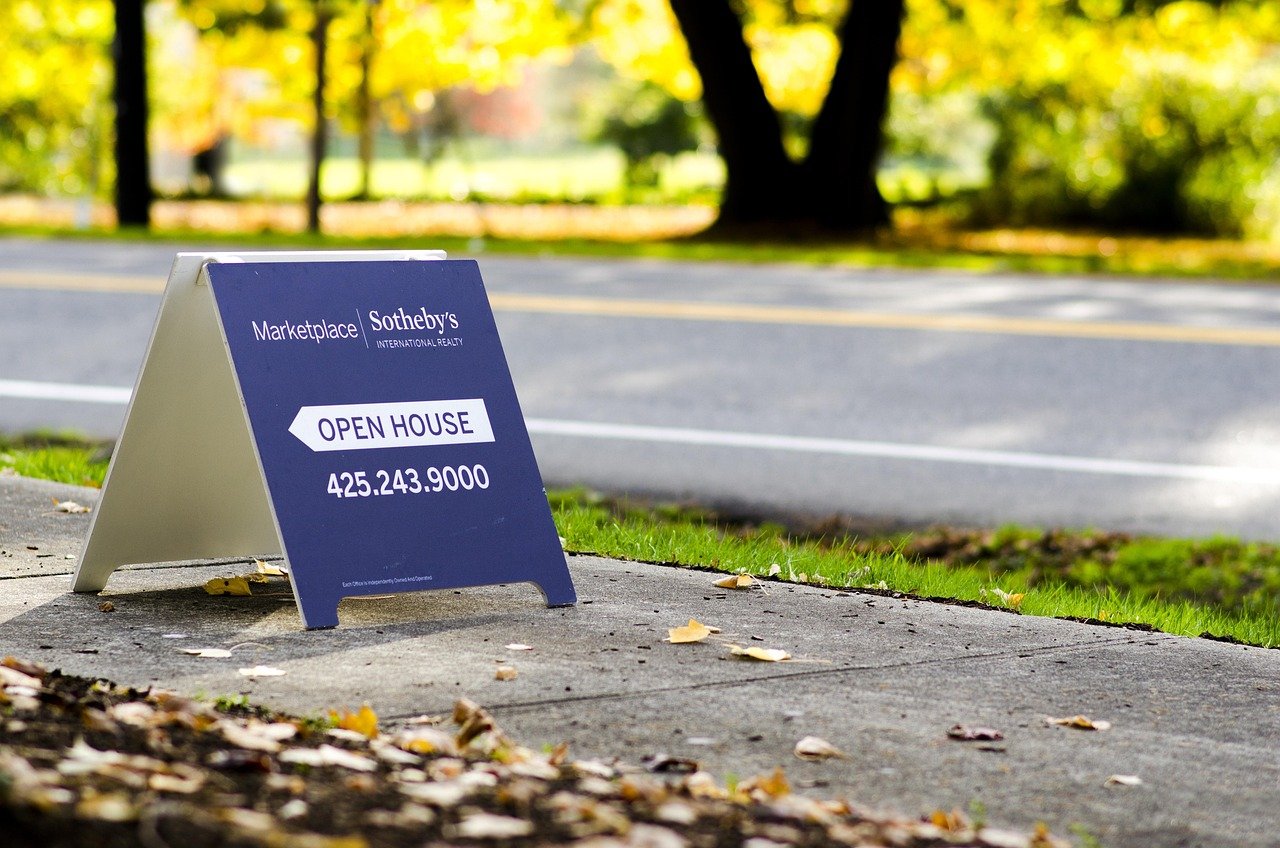

Understanding the Property Selling Process
Selling a property is often as significant as buying one. It involves various steps, from deciding to sell to closing the deal. Each step requires careful consideration and strategic action for a successful transaction.
Preparing Your Property for Sale
Before putting your property on the market, it’s crucial to prepare it for prospective buyers. This means enhancing its appeal through maintenance and staging.
-
Home Repairs: Address any outstanding repairs that could deter buyers—fix leaky faucets, patch holes, and repaint walls if necessary. Buyers often want a home that doesn’t require immediate work.
-
Deep Cleaning: A clean home gives a good impression. Hire professional cleaners to ensure every corner is spotless. Consider decluttering spaces and depersonalizing the home—removing family photos and personal items enables buyers to envision themselves living there.
-
Home Staging: Staging your home can significantly impact buyers’ perceptions. Consider hiring a staging professional to showcase your home’s best features and create an inviting atmosphere.
Setting a Competitive Price
Pricing a property correctly is a pivotal decision that impacts its marketability.
-
Comparative Market Analysis (CMA): Engage a real estate agent to conduct a CMA. This analysis compares your home with similar properties recently sold in your area, taking into account factors such as location, size, and upgrades.
-
Consider Market Trends: Understanding local market conditions is vital. If the market favors sellers (with limited inventory and high demand), you may price higher. Conversely, if it’s a buyer’s market, pricing competitively is crucial to attract interest.
-
Appraisals: Consider getting a professional appraisal before listing your home. An appraisal provides an unbiased estimate of your home’s worth, ensuring you set a fair price.
Developing an Effective Marketing Strategy
An effective marketing strategy can significantly improve your property’s visibility and attract potential buyers.
-
High-Quality Photos: The majority of buyers start their search online. Invest in professional photography to capture your home in its best light. Ensure to showcase both interior and exterior shots.
-
Online Listings: Place your property on multiple real estate listing platforms, including Zillow, Realtor.com, and local MLS sites. Ensure your listing is detailed and includes photos, property descriptions, and highlights of unique features.
-
Social Media Promotion: Utilize social media platforms to reach a broader audience. Share high-quality images and engaging posts about your property, and consider targeted advertising to reach potential buyers in your area.
Navigating Offers and Negotiations
Once your property attracts interest, you will start receiving offers. This stage requires careful evaluation.
-
Review Offers: Don’t just focus on the offered price; consider contingencies, financing terms, and the buyer’s ability to close. A higher offer with numerous contingencies may be less appealing than a lower offer without stipulations.
-
Counteroffers: Be prepared to negotiate. If an offer seems low but the buyers are motivated, a counteroffer can keep negotiations moving. Clearly define what you’re willing to accept.
-
Know Your Priorities: Are you looking for a fast sale, or is getting the highest price more important? Understanding your priorities will help in negotiations.
Understanding Purchase Agreements and Disclosures
Once you accept an offer, the next step is entering into a purchase agreement.
-
Purchase Agreement: This legally binding document outlines terms, conditions, and timelines. Carefully review all sections and consult with your real estate attorney before signing.
-
Disclosures Requirements: Legally, sellers must disclose certain information about their property. This often includes known issues such as water damage, pests, or significant repairs. Failing to disclose can result in legal consequences later.
The Role of Inspections and Appraisals
Once a purchase agreement is signed, inspections and appraisals usually follow.
-
Home Inspections: Buyers typically conduct home inspections to identify any potential issues. Prepare for this by addressing any known problems beforehand. If issues arise during inspection, be prepared for renegotiation or offering credits for repairs.
-
Appraisals: Lenders require appraisals to ensure the property’s value aligns with the loan amount. As a seller, knowing that your home’s market value meets or exceeds the buyer’s offer can alleviate stress during this process.
Closing the Sale
The final phase involves closing the transaction, where ownership transfers from seller to buyer.
-
Closing Costs: Be aware that selling a home incurs various costs, including agent commissions, transfer taxes, and attorney fees. Budgeting for these expenses is critical to understand your net proceeds.
-
Final Walk-Through: Typically, buyers conduct a final walk-through before closing. Ensure your home is in the agreed condition, and all items included in the sale are present.
-
Closing Documents: Be prepared to review and sign multiple documents at closing. Ensure you understand each document and have all necessary paperwork ready, including the deed and closing statement.
Choosing the Right Professionals
Navigating property transactions can be complex, necessitating a team of reliable professionals.
-
Real Estate Agent: Finding an experienced real estate agent is paramount. Look for agents with a strong track record in your neighborhood. They will guide you through pricing, marketing, and negotiations.
-
Real Estate Attorney: Depending on your state, a real estate attorney may be essential to review documents and ensure all transactions comply with local laws.
-
Appraiser and Inspector: Selecting qualified appraisers and inspectors can save you headaches. Always choose professionals with positive reviews and experience in your area.
Staying Organized Throughout the Process
Finally, thorough organization is vital for a smooth selling process.
-
Keep Records: Maintain detailed records of all documents, including photos, disclosures, inspection reports, and correspondence with interested buyers.
-
Timeline Management: Create a timeline for every step, from preparing your home for sale to closing. This helps you stay on track and ensure nothing is overlooked.
Emotional Preparedness
Selling a property can be an emotional journey. Whether moving for personal or financial reasons, it’s essential to be mentally prepared for the process.
-
Detach Emotionally: View your home from a buyer’s perspective. Detachment makes you less susceptible to emotional negotiations and encourages pragmatic decisions.
-
Focus on the Future: Remember the reasons for selling—the potential for a new start, financial gain, or another life opportunity. Keeping this focus will help you navigate the process more smoothly.
The journey of selling property has its challenges but by staying informed and prepared, sellers can navigate the transaction effectively and capitalize on their investment.
