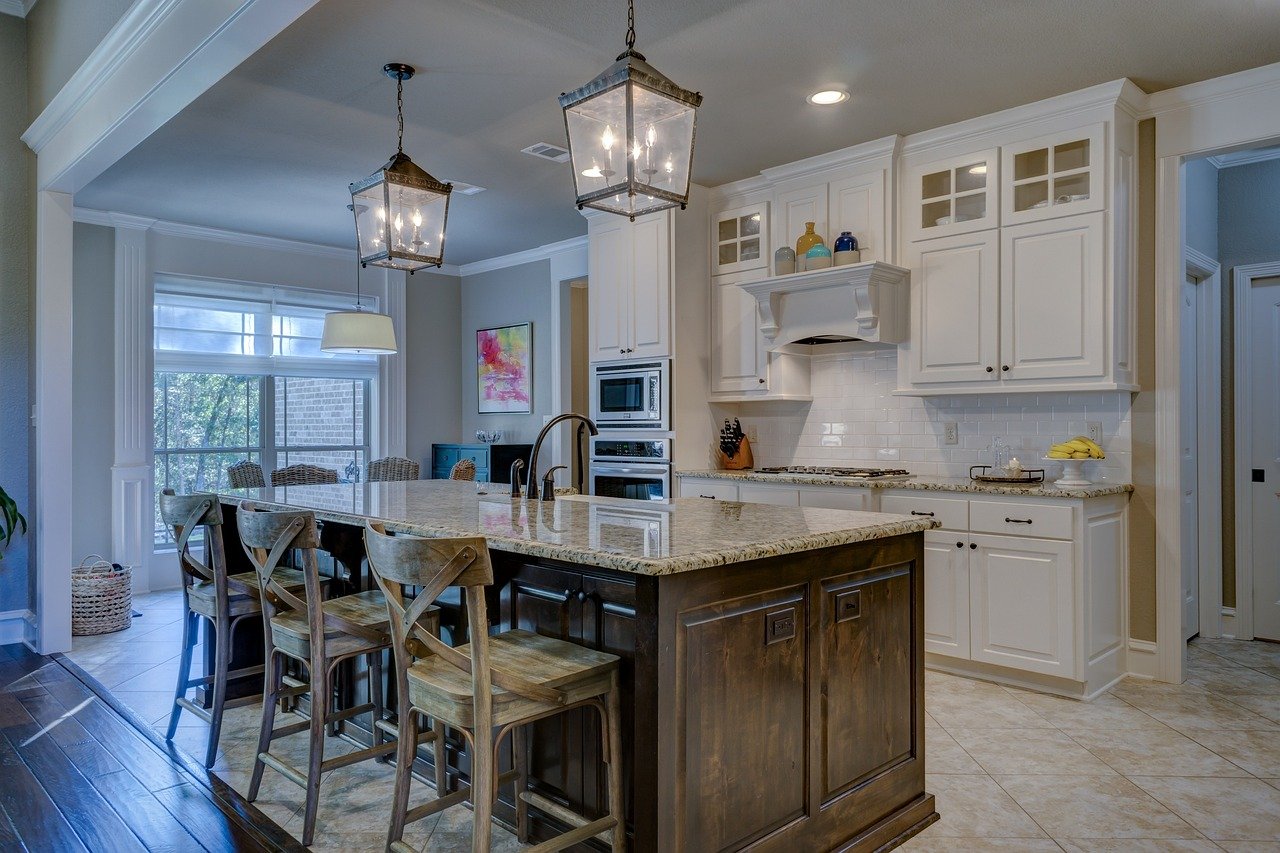

The Evolution of Luxury Residential Markets
Luxury residential markets have undergone significant transformations over the past few years, influenced by various social, economic, and technological trends. Globalization continues to broaden the reach of luxury real estate, affecting buying patterns and preferences across different demographics. Understanding these trends is essential for buyers, investors, and market analysts seeking to capitalize on emerging opportunities in this sector.
Globalization and Market Dynamics
The rise of globalization has led to increased interconnectivity among international cities, with affluent buyers seeking properties across borders. Cities like New York, London, Hong Kong, and Dubai have become key hubs for luxury real estate, attracting wealth from diverse nations. Buyers now consider not only the property itself but also the lifestyle, culture, and investment potential that each locale offers. High-net-worth individuals (HNWIs) appreciate the ability to own homes in multiple countries for both personal enjoyment and investment diversification.
Technological Innovations
Technological advancements have made significant inroads into the luxury residential market. Virtual reality (VR) and augmented reality (AR) have revolutionized property touring, allowing potential buyers to experience homes from afar. High-quality 3D renderings and immersive virtual tours enable clients to visualize properties without the need for physical visits, thereby broadening the pool of prospective buyers. Additionally, smart home technology has become a standard feature in luxury homes. Automated systems for lighting, security, and climate control are increasingly appealing to environmentally conscious and tech-savvy buyers.
Sustainability and Eco-Friendly Features
The modern luxury buyer places a high value on sustainability. Eco-friendly features—such as energy-efficient appliances, solar panels, and sustainable building materials—are becoming essential in luxury residential properties. Buyers are not only mindful of their carbon footprint but are also increasingly motivated by the potential for lower utility costs and higher resale values. Consequently, developers are integrating such sustainable practices into their projects, which enhances their market attractiveness.
Design Aesthetics and Customization
Luxury residential design is trending toward personalized and unique aesthetics. Buyers are moving away from traditional opulence toward contemporary, minimalist designs that reflect their individual tastes and lifestyles. Open floor plans, natural materials, and customizable spaces have become key selling points. High-quality finishes and bespoke elements add a level of sophistication that appeals to discerning clients, thus driving the demand for properties that allow for personalization, ensuring that each residence is a true reflection of its owner.
Urban vs. Suburban Living
The pandemic has reshaped preferences for urban versus suburban living. While metropolitan cities have historically been synonymous with luxury, many buyers are shifting towards suburban or semi-urban locales, prioritizing space, privacy, and access to nature over bustling city life. This trend is fueled by remote work, which allows individuals to live further from their offices. Consequently, luxury developers are spotlighting homes with larger lots, outdoor amenities, and proximity to green spaces.
Health and Wellness Amenities
Luxury buyers are increasingly prioritizing their health and wellness within their homes. Properties featuring fitness centers, yoga studios, personal spas, and indoor swimming pools have gained immense popularity. Additionally, the integration of wellness-focused technologies, such as air purification systems and circadian lighting, is becoming more common. This shift reflects a broader societal trend emphasizing mental and physical well-being in everyday living.
Real Estate Investment Trends
The luxury residential market has seen a rise in investment properties as buyers seek long-term value. Wealthy investors are looking for homes that serve dual purposes: a private residence and a profitable rental property. Short-term rental platforms like Airbnb have also influenced market dynamics, with buyers more willing to invest in luxury homes that can generate passive income during their absence. Data analytics is playing a crucial role in investment decisions as buyers seek insights into market trends, property performance, and consumer preferences.
Influential Demographics
The luxury residential market is witnessing an influx of buyers from diverse backgrounds. Millennials and Gen Z, who are becoming increasingly affluent, show different purchasing behaviors compared to older generations. They prioritize lifestyle, brand alignment, and sustainability. Properties that resonate with social values and align with environmental concerns are more likely to attract this demographic. Furthermore, foreign investors continue to play a significant role, particularly as currency fluctuations create advantageous buying conditions in various markets.
The Role of Luxury Real Estate Agents
As the luxury market evolves, so does the role of real estate agents. Professionals need to possess not only traditional industry knowledge but also an understanding of technological tools, market dynamics, and cultural trends. Networking and relationship-building remain essential, but agents must also leverage online platforms and social media to reach a wider audience. Buyers increasingly rely on expert guidance in navigating a competitive landscape filled with unique properties and investment opportunities.
Financing and Affordability
Low-interest rates and favorable financing options have spurred activity in the luxury market, but changing economic conditions can impact this landscape. Wealthy buyers often explore creative financing options, including cash purchases, 1031 exchanges, and other investment strategies to minimize tax implications. As interest rates rise, the luxury market may experience shifts in buyer behavior, with a potential slowdown in demand for high-end properties. As markets fluctuate, understanding economic indicators and being adaptive will be crucial for buyers and sellers alike.
Marketing Strategies for Luxury Real Estate
In the luxury sector, marketing plays a fundamental role in attracting affluent buyers. Traditional advertising methods are being replaced by high-impact digital campaigns, emphasizing stunning visuals and storytelling. Luxury brands need to create a compelling narrative around their properties, showcasing not just the real estate but the lifestyle it promotes. Collaborations with influencers, bespoke events, and curated experiences also help in positioning properties to resonate with the target market.
Conclusion
Navigating the trends in luxury residential markets requires an understanding of multiple factors, including demographic shifts, technological advancements, and evolving preferences. As buyers become more discerning, industry professionals must adapt their strategies to cater to these changing demands. The future of luxury real estate is characterized by innovation, sustainability, and personalization, making it an exciting time for investors, developers, and buyers alike. By staying informed and responsive to these trends, stakeholders can position themselves effectively in a dynamic market landscape.
