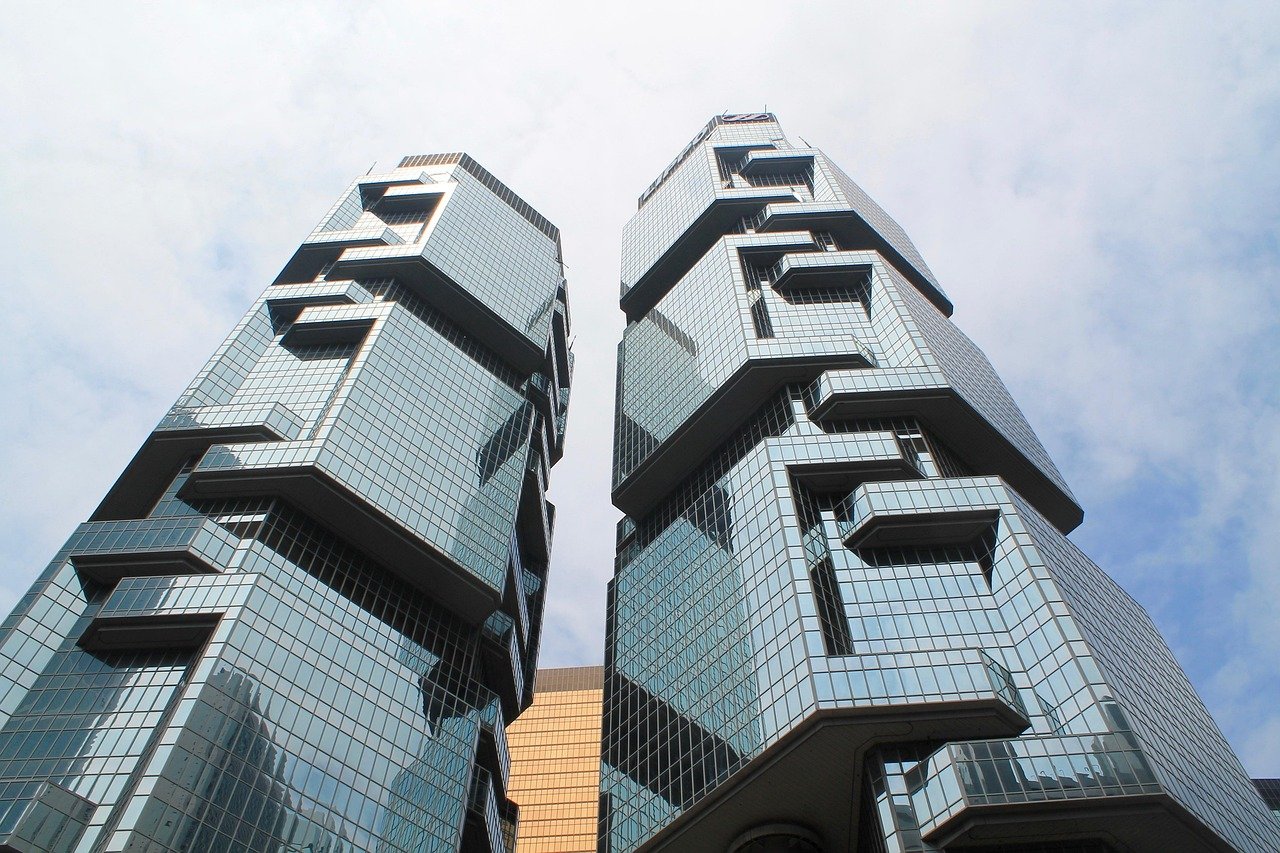

Seattle is making headlines with a record-setting property deal that showcases the tech giant’s commitment to expanding its footprint in the city. This development not only represents an emphatic statement about the company’s future aspirations but also highlights Seattle’s growing significance in the tech landscape.
Seattle, known for its thriving tech industry, is home to major players like Amazon, Microsoft, and a plethora of startups that continue to shape the future of technology. The recent acquisition by the tech giant marks a pivotal moment for both the company and the Seattle real estate market, reflecting the ongoing competition for premium office space in one of the nation’s most dynamic urban environments.
The deal, reportedly valued at over $2 billion, involves a sprawling complex in South Lake Union—a neighborhood that has experienced rapid growth over the past decade. The complex will house tens of thousands of employees and serve as a base for research and development initiatives that are crucial for the company’s long-term growth strategy. Satellite offices and collaborative spaces designed with cutting-edge architecture are essential in fostering a vibrant work culture, centered around innovation and teamwork.
Urban developers have increasingly targeted South Lake Union due to its proximity to the waterfront, excellent transportation links, and a growing array of amenities. The tech giant’s acquisition is set to bolster the region’s economic trajectory, creating thousands of jobs both directly and indirectly through a surge in demand for local services, housing, and commercial establishments. This move aligns neatly with the city’s ongoing efforts to solidify its position as a global tech hub.
Furthermore, the tech giant’s expansion signifies its confidence in the Seattle market—a confidence reflected in the strong performance of local real estate. Demand for office space in the area has skyrocketed, driven by the arrival of tech workers and the influx of related industries. With its commitment to sustainability and green building practices, the company plans to incorporate eco-friendly designs into the new facility, resonating with the city’s environmentally conscious ethos.
This record property deal is more than just real estate; it’s a clear indicator of the tech industry’s desire for flexibility in workspace arrangement, particularly following the COVID-19 pandemic. Hybrid work models and remote work have changed how tech companies see their office requirements. With this acquisition, the tech giant aims to create state-of-the-art spaces designed not only for productivity but also for employee well-being and community interaction.
Local small businesses also stand to benefit substantially from the increased foot traffic and economic activity that the expanded tech giant presence will bring. Cafés, restaurants, and retail spaces in the vicinity are likely to thrive, aligned with the burgeoning population of employees looking for convenient options for dining and leisure.
In terms of infrastructure, Seattle is already investing heavily in transportation systems, including light rail expansions and electric bus networks. This investment is poised to complement the tech industry’s growth, making it easier for employees to commute and reducing carbon emissions—an initiative strongly supported by the tech giant’s own sustainability goals. Such advancements in public transport can directly enhance regional connectivity, making it easier for businesses to attract talent from surrounding areas.
Moreover, the tech giant’s expansion aligns with recent trends in urban planning, emphasizing mixed-use development that integrates residential and commercial spaces seamlessly. The company’s ambitious plans may introduce live-work arrangements, promoting a balanced lifestyle for its employees. This concept not only encourages employee retention and satisfaction but also aligns with the broader vision of creating a community-centric urban environment.
The implications of this record property deal extend beyond its immediate economic benefits. It serves as an impetus for local policymakers to strengthen zoning laws that support innovation-driven business growth while preserving community values and enhancing public spaces. The balance between development and community needs is essential in a city recognized for its natural beauty and cultural richness.
Tech giant’s investment reflects a larger trend in the industry, as other companies are also scouting for strategic locations to establish their presence. However, few have made such a significant investment in Seattle recently, indicating a competitive advantage for the tech giant in attracting top talent and establishing strategic partnerships with local institutions, universities, and research organizations.
Educational institutions are taking notice, fostering collaborations to prepare the future workforce for the evolving demands of the tech industry. Programs tailored to skills development in areas such as artificial intelligence, machine learning, and data analytics are being integrated into local curricula. The company’s presence may act as a catalyst for these educational initiatives, aiming to build a talent pipeline that aligns with industry needs.
Property analysts are closely observing the long-term impact of this acquisition. Price per square foot for commercial real estate in Seattle has soared, and this deal could potentially set a new benchmark that will influence market dynamics for years to come. As demand escalates, competition could intensify, driving more developers to invest in sustainable and innovative workspace solutions.
The overall sentiment in Seattle is optimistic, as the tech giant’s expansion is expected to contribute to a robust economic landscape. From employment opportunities to infrastructural advancements and enhanced community engagement, the benefits of this record property deal are multifaceted. Moreover, it highlights Seattle’s ability to attract significant investments, reinforcing its status as a central player in the global tech arena.
The trade-off between rapid development and maintaining quality of life remains a crucial discussion for Seattle residents. As vibrant neighborhoods evolve with the influx of talent and capital, community stakeholders are encouraged to advocate for responsible growth that respects local traditions and fosters inclusivity.
In summary, the tech giant’s record property acquisition represents a transformative moment for Seattle, igniting growth in the tech sector and contributing positively to the city’s overall economy. As the city continues to navigate its path forward amidst challenges and opportunities, such strategic investments will undoubtedly play a formative role in defining Seattle’s future as a global technology leader.
