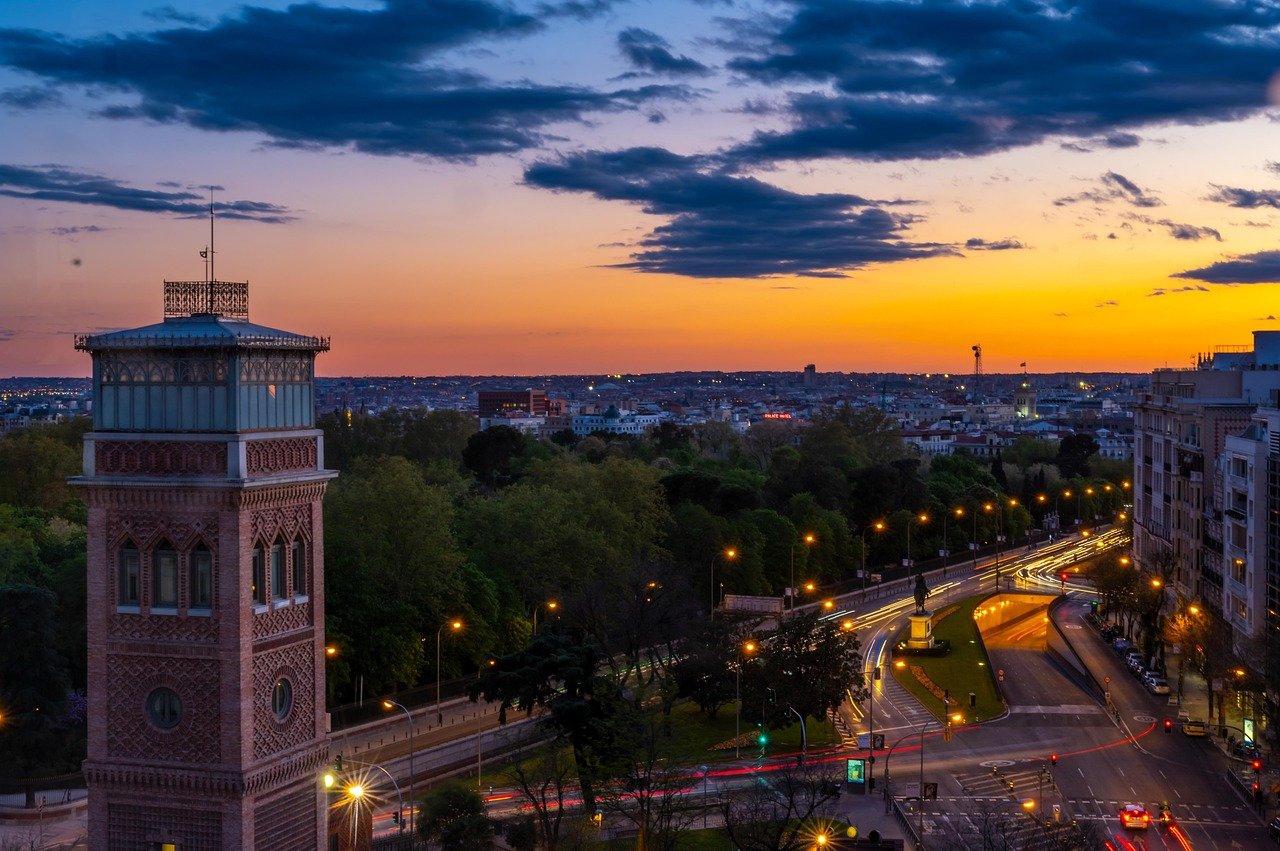

Redefining Urban Spaces: Innovative Residential Developments in City Centers
The Evolution of Urban Living
Cities worldwide are experiencing a transformation in their urban landscapes, focusing on more sustainable, livable, and innovative residential developments. Urban living has shifted from traditional models to designs that emphasize community, sustainability, and technological integration. The urge to redefine urban spaces aligns with the need for more efficient use of land and resources amid growing populations.
Integration of Mixed-Use Developments
One of the most significant trends in urban residential developments is the rise of mixed-use spaces. These developments integrate residential areas with commercial and recreational spaces, creating vibrant communities. Notable examples include Hudson Yards in New York City and King’s Cross in London, both of which exemplify how residential units can coexist harmoniously with shopping, dining, and green spaces.
-
Hudson Yards, NYC: Transforming the West Side of Manhattan, this project incorporates luxury condos, retail outlets, restaurants, art spaces, and public areas. The Vessel, a massive honeycomb-like structure, serves as both an art installation and a gathering spot, emphasizing community engagement.
-
King’s Cross, London: This former industrial area has been transformed into a dynamic urban district, blending residences with offices and cultural venues. The development includes bicycle paths, public spaces, and parks, catering to both pedestrians and cyclists.
Emphasis on Sustainable Living
Sustainability is a fundamental aspect of modern urban residential developments. Developers are increasingly focused on creating eco-friendly buildings with reduced carbon footprints. Initiatives include using renewable energy sources, implementing green roofs, and promoting energy-efficient designs.
-
One Central Park, Sydney: Designed by architect Renzo Piano, this development features residential units integrated with vertical gardens. The lush greenery not only enhances aesthetics but also helps in cooling the buildings and improving air quality.
-
The Crystal, London: This building is powered by renewable energy sources and features rainwater harvesting systems. It serves as a demonstration center for smart technology and sustainable living, reflecting a growing trend in eco-friendly urban design.
Focus on Community and Social Interaction
Reimagining urban spaces also involves fostering connections among residents. Innovative residential developments prioritize communal areas that encourage socialization and interaction. This can include rooftop gardens, community lounges, and event spaces.
-
The Hive, Atlanta: This residential complex is designed around communal living. With shared kitchens, co-working spaces, and social hubs, it encourages residents to engage and collaborate, thus enhancing their living experience.
-
The Collective, London: A co-living space aimed at young professionals and students, this development encourages a sense of belonging. Residents can interact in communal kitchens, game rooms, and outdoor terraces, promoting a vibrant community lifestyle.
Smart Technology and Urban Innovation
Incorporating smart technology into residential developments has become paramount. These innovations enhance the living experience by improving security, comfort, and convenience.
-
Smart City, Singapore: This ambitious project integrates smart technologies in housing, improving efficiency in energy use and public transport. Features include smart waste management systems and AI-driven traffic management, creating a seamless urban living experience.
-
casaM, Barcelona: This modular housing unit utilizes technology to enhance resident comfort. Smart home systems allow for automated lighting, climate control, and security features, ensuring convenience and safety for residents.
Redeveloping Underused Urban Spaces
Cities are increasingly looking to repurpose underutilized spaces into vibrant residential environments. This approach not only addresses housing shortages but also transforms neglected areas into thriving communities.
-
The High Line, New York City: Once an abandoned railway, the High Line has become a model for urban renewal. Surrounding developments have transformed old industrial sites into desirable residences, emphasizing green space and public art.
-
The Wharf, Washington D.C.: This revitalization project along the Potomac River has successfully turned disused waterfront into a bustling mixed-use community with residential units, shops, and public parks.
Affordable Housing Solutions
Innovative residential developments are also addressing the urgent need for affordable housing in urban centers. By utilizing creative designs and sustainable practices, developers are finding ways to keep costs in check.
-
Habitat for Humanity’s Urban Projects: This nonprofit organization builds affordable housing in urban areas by utilizing efficient construction methods. Their designs emphasize simplicity and functionality, enabling families to own homes in cities.
-
The 606, Chicago: An elevated park that incorporates affordable housing units alongside recreational areas, this development represents an innovative approach to addressing urban housing needs while improving public space.
The Role of Government Policies
Urban residential development cannot thrive without supportive government policies. Zoning laws, incentives for green building, and funding for infrastructure play crucial roles in shaping the urban residential landscape.
-
Inclusionary Zoning Policies: Cities like San Francisco and New York City have adopted policies requiring a percentage of new developments to include affordable housing. This ensures that the socioeconomic diversity of urban areas is preserved.
-
Tax Incentives for Green Building: Government incentives for energy-efficient construction have led to significant investments in sustainable developments. Cities are offering tax breaks for developers who meet environmental standards, encouraging more eco-friendly building practices.
The Impact of COVID-19 on Urban Development
The COVID-19 pandemic has accelerated changes in urban residential design. As remote work becomes more common, there is an increased demand for larger living spaces, home offices, and access to outdoor areas.
-
Work-from-Home Trends: Developments are incorporating home office spaces and flexible layouts that adapt to changing lifestyles. Residential buildings are now emphasizing functional spaces that cater to both living and working needs.
-
Increased Demand for Outdoor Spaces: The pandemic has highlighted the importance of green spaces in urban settings. Many developments are focusing on providing accessible parks, gardens, and recreational areas that promote physical and mental well-being.
Conclusion
As cities continue to grow and evolve, innovative residential developments in urban centers are redefining how we live, work, and interact. The integration of mixed-use spaces, sustainability, community-focused design, smart technology, and revived underused areas are reshaping the urban experience. Emphasizing affordability and meeting the needs of a modern society, these developments reflect a future where urban living fosters community engagement and environmental responsibility. The potential of urban spaces is limitless, promising an exciting evolution in city living that prioritizes the well-being of residents and the environment alike.
