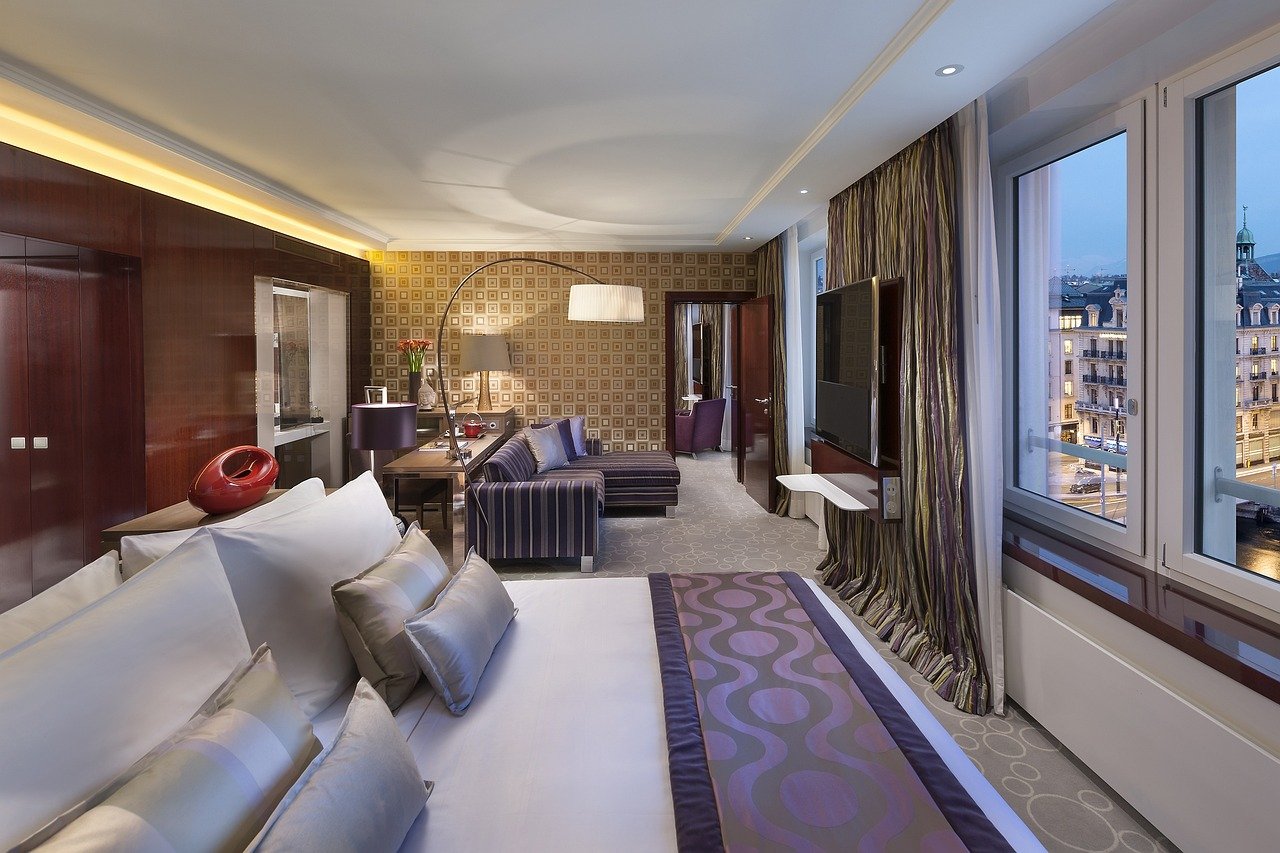

Retail and Apartment Integration: Reshaping the Urban Landscape
Urban living is undergoing a dramatic transition, characterized by a significant shift towards integrated environments where commercial and residential spaces coexist harmoniously. This evolving concept, known as retail and apartment integration, is reshaping our urban landscapes. The dynamics of consumer behavior, changing lifestyles, and a desire for communal living are driving this trend, which presents unique challenges and opportunities for urban planners, architects, and developers.
The Rise of Mixed-Use Developments
Mixed-use developments combine residential, commercial, and sometimes public spaces in a single locale, providing convenience and a sense of community. This trend caters to the growing number of urban dwellers who prefer a lifestyle that minimizes the need for lengthy commutes. The convenience of having retail spaces within walking distance of apartments enhances the urban experience, promoting an active lifestyle and fostering community interactions.
Benefits of Mixed-Use Spaces
-
Convenience: The proximity of shops, restaurants, and services enables residents to meet their daily needs easily.
-
Economic Vitality: By integrating retail with residential spaces, developers create bustling environments that can attract customers throughout the day, boosting local economies.
-
Sustainability: Less reliance on vehicles reduces carbon footprints, contributing to more environmentally friendly urban ecosystems.
-
Social Interaction: These spaces encourage social engagement among residents and visitors, fostering a sense of belonging within the community.
Trends in Retail and Apartment Integration
The integration of retail and residential spaces is evolving with several key trends:
1. Adaptive Reuse
Adaptive reuse involves transforming older commercial buildings or warehouses into vibrant residential units while retaining their original retail functions. This practice not only preserves historical architecture but also revitalizes neighborhoods and reduces the need for new construction.
2. Smart Technology Adoption
Smart technologies enhance the convenience of integrated spaces. IoT devices in retail outlets can track consumer preferences, allowing businesses to tailor their offerings. Similarly, smart home technologies in apartments streamline living, making daily tasks more manageable.
3. Emphasis on Community Spaces
Modern designs prioritize communal areas such as parks, plazas, and social hubs, enhancing social interactions. These spaces often host events, markets, or pop-ups, nurturing a sense of community and belonging.
4. Sustainability Practices
With increased awareness of environmental issues, many developers incorporate green practices into mixed-use projects. From energy-efficient building materials to sustainable landscaping, these projects aim to minimize their ecological footprint.
Urban Design Considerations
Designing integrated environments requires careful planning and consideration. Effective urban design must balance various stakeholder needs, ensuring that both residential and commercial aspects are seamlessly integrated.
1. Zoning Regulations
Local zoning laws often dictate how spaces can be used. Developers must navigate these regulations to create mixed-use developments that comply with the law while serving community needs.
2. Accessibility and Transportation
Integrated developments should prioritize accessibility through public transport options, bike lanes, and pedestrian-friendly designs. Easy access encourages foot traffic, benefiting both retail and residential spaces.
3. Aesthetics and Architecture
The visual appeal of mixed-use developments plays a crucial role in attracting residents and shoppers. Thoughtful architecture that blends residential units with commercial storefronts enhances the overall attractiveness of urban centers.
Case Studies in Retail and Apartment Integration
Hudson Yards, New York City
Hudson Yards represents a landmark example of modern urban development, featuring luxurious apartments alongside high-end retail stores, restaurants, and public parks. This project showcases how integrating diverse uses can create vibrant urban neighborhoods.
The Wharf, Washington, D.C.
The Wharf has transformed the waterfront area into a bustling mixed-use development with residential units, retail spaces, and entertainment venues. Its design fosters social connectivity and promotes a lively atmosphere.
The Milk District, Orlando
In Orlando’s Milk District, adaptive reuse of old commercial warehouses into apartment complexes alongside unique local businesses creates a colorful tapestry of urban living and shopping. This project illustrates how revitalization can enhance a community’s character.
Challenges of Retail and Apartment Integration
Despite its benefits, integrating retail with apartment living presents certain challenges:
-
Market Volatility: Economic fluctuations can impact retail success, posing risks to mixed-use developments dependent on the commercial viability of their retail components.
-
Noise and Privacy Concerns: Residents may face noise pollution from nearby retail activities, which can affect quality of life. Developers must consider soundproofing and layout strategies to mitigate these issues.
-
Conflict of Interests: Balancing the needs of residents with those of businesses can lead to conflicts regarding operations, hours of service, and management policies.
The Future of Urban Living
As cities continue to grow and evolve, the integration of retail and apartment spaces is likely to remain a prominent feature of urban landscapes. Developers and city planners must remain adaptable, embracing innovative design practices, sustainable development, and community-focused approaches.
Embracing Diversity
Future mixed-use developments should incorporate diverse housing options, catering to various income levels and demographics. This inclusivity enriches neighborhoods, fosters economic diversity, and creates vibrant community interactions.
Supporting Local Businesses
Integrating local businesses into mixed-use developments can enhance authenticity and character. Encouraging small enterprises to thrive alongside residential units contributes to the local economy and fosters community pride.
Public Input and Participation
Engaging residents in the planning process can yield valuable insights and create developments that genuinely reflect community needs and desires. Collaborative planning efforts can lead to more successful integration of retail and residential environments.
In conclusion, retail and apartment integration represents a transformative approach to urban living, creating vibrant, convenient, and sustainable environments that cater to the needs of modern city dwellers. As this trend continues to evolve, it will further redefine our cities, enhancing the quality of life for millions.
