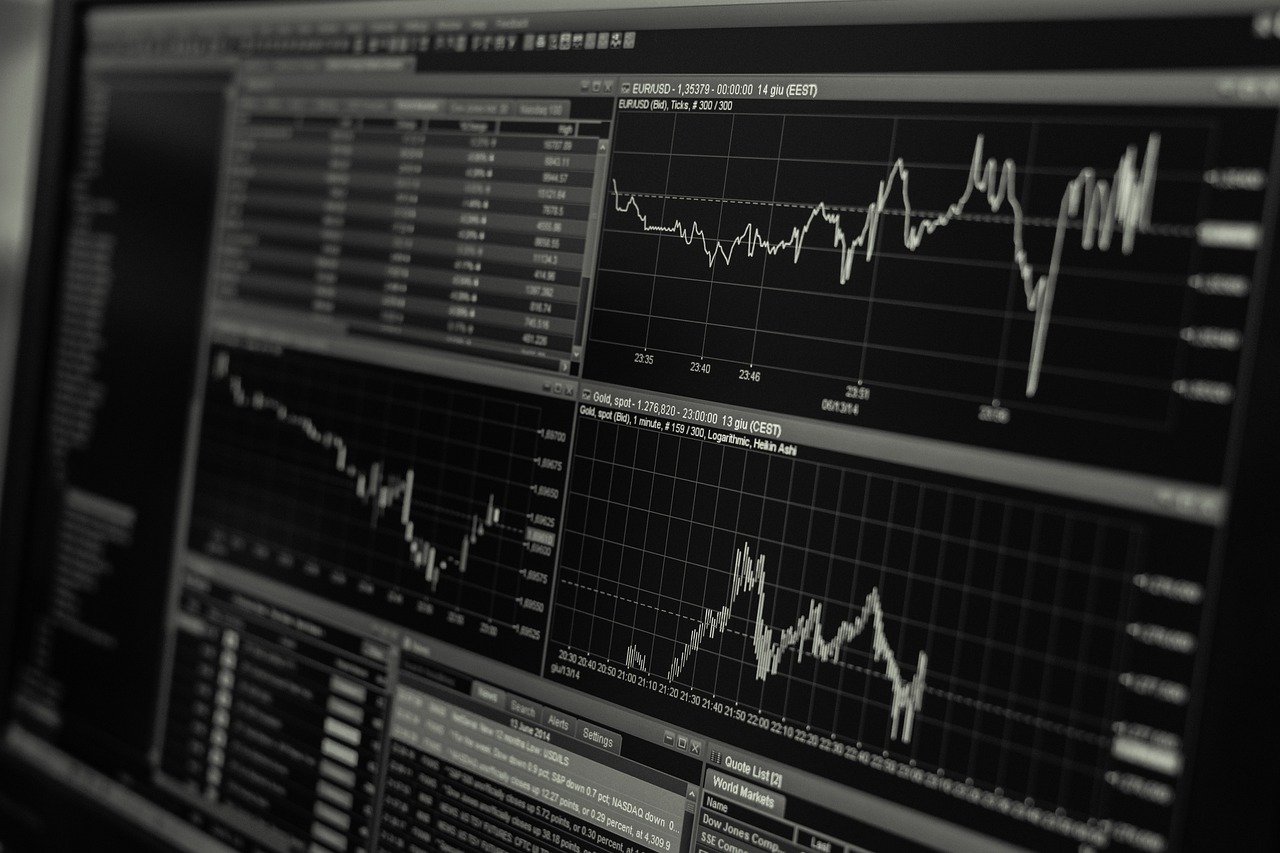

Understanding Market Trends
Identifying the next hot investment market requires a comprehensive understanding of market trends. Trends often result from changes in consumer behavior, technological advances, or economic shifts. For investors, recognizing these trends early can signify opportunities for significant returns.
Analyzing Economic Indicators
Key economic indicators substantially influence market performance. Investors should familiarize themselves with metrics such as Gross Domestic Product (GDP), inflation rates, and employment data. A strong GDP growth often indicates robust economic health, fostering confidence and investment. Conversely, high inflation can erode purchasing power, affecting markets adversely.
Unemployment Rates
Monitoring unemployment rates is crucial in identifying consumer spending capacity. A decreasing unemployment rate often correlates with increased consumer spending, driving growth in sectors such as retail, travel, and technology.
Inflation and Interest Rates
Investors must understand how inflation and interest rates interact. High inflation typically leads central banks to increase interest rates, which can slow economic growth. Tracking changes in these rates can serve as a crucial indicator of market shifts.
Industry Analysis
To spot the next hot market, thorough industry analysis is essential. Each sector has its dynamics, influenced by technology, regulations, and consumer trends.
Emerging Technologies
The rise of emerging technologies often denotes a burgeoning market. Industries like artificial intelligence, blockchain, and renewable energy have gained momentum, thanks to technological advancements and the growing focus on sustainability. Scrutinizing these technologies can provide insights into promising sectors.
Regulatory Changes
Regulations can reshape industries overnight. Awareness of legislative developments in healthcare, finance, and technology will give investors a strategic edge. For instance, new privacy laws in tech can drive investment in cybersecurity.
Market Demographics
Investors should analyze market demographics to tailor their strategies effectively. Demographic trends, such as age distribution, income levels, and lifestyle changes, are critical indicators of market potential.
Generational Shifts
The preferences of younger generations, such as millennials and Generation Z, are reshaping markets. Their inclination towards sustainability, tech integration, and online services creates lucrative opportunities in sectors like e-commerce and energy-efficient solutions.
Urbanization Trends
Urbanization leads to increased demand for housing, infrastructure, and services. Investors should observe population trends in urban versus rural areas to identify where growth is likely to occur.
Behavioral Economics
Understanding consumer behavior is essential for discerning investment opportunities. Behavioral economics examines how psychological factors influence buying decisions.
Consumer Sentiment Analysis
Tools such as surveys and social media analytics can provide insights into consumer sentiment. High positive sentiment can indicate growth potential in certain sectors. For example, a rise in favorable reviews for electric vehicles may signal a hot market in that sector.
Using Technological Tools for Analysis
Several tools and platforms offer advanced analytics that can help investors identify hot markets more efficiently.
Data Analytics Platforms
Platforms like Tableau and Power BI allow investors to visualize trends and identify patterns across different markets. With the ability to analyze large datasets, these tools can help identify emerging opportunities before they become mainstream.
Artificial Intelligence and Machine Learning
AI algorithms can analyze trends in real-time, providing investors with up-to-date information. By predicting market movements based on historical data, these technologies offer a strategic advantage.
Networking and Industry Insights
Building connections within industries of interest can yield invaluable insights. Networking with industry professionals, attending conferences, and participating in forums can reveal upcoming trends before they gain wider recognition.
Professional Organizations
Joining professional organizations related to targeted industries can provide access to reports, studies, and expert opinions. These resources can aid in making informed investment decisions.
Investment Strategies Based on Market Analysis
Once potential hot markets are identified, investors should consider various strategies to enter these markets effectively.
Diversification
To mitigate risks, diversifying investments across various sectors can yield stability during market fluctuations. By balancing positions in emerging markets with established ones, investors can protect their portfolios.
Dollar-Cost Averaging
Investors should contemplate dollar-cost averaging, a strategy that involves regularly investing a set amount regardless of market conditions. This approach reduces the risk of investing a large sum in an unfavorable market.
Monitoring Social Media and Online Communities
Social media platforms and online communities provide real-time insights into emerging trends and consumer preferences. Investors should monitor these platforms for discussions and trends that could signal new opportunities.
Trending Hashtags and Topics
Utilizing tools such as Google Trends and Twitter’s trending topics can identify what consumers are talking about. Analyzing these conversations can reveal shifts in market interest.
Capitalizing on Global Events
Global events often create investment opportunities in specific markets. For instance, the COVID-19 pandemic catalyzed growth in telehealth, e-commerce, and remote work solutions. Investors should remain vigilant and adaptable to such changes.
Examining Global Supply Chains
Shifts in global supply chains can significantly impact markets. For example, recent disruptions may create opportunities in domestic manufacturing or technology that supports remote work.
Financial Modeling and Projections
Conducting financial modeling is essential for evaluating potential investments. By creating projections based on various scenarios, investors can assess the viability of markets their research identifies.
Risk Assessment
Risk assessment should accompany all financial models. Evaluating market volatility, competitive landscape, and potential economic downturns can provide a clearer picture of potential risks.
Conclusion
Investing in emerging markets requires diligent research, awareness of trends, and the ability to adapt strategies as new information arises. Through a combination of market analysis, understanding economic indicators, leveraging technology, building networks, and staying informed about global events, investors can effectively identify and capitalize on the next hot market.
