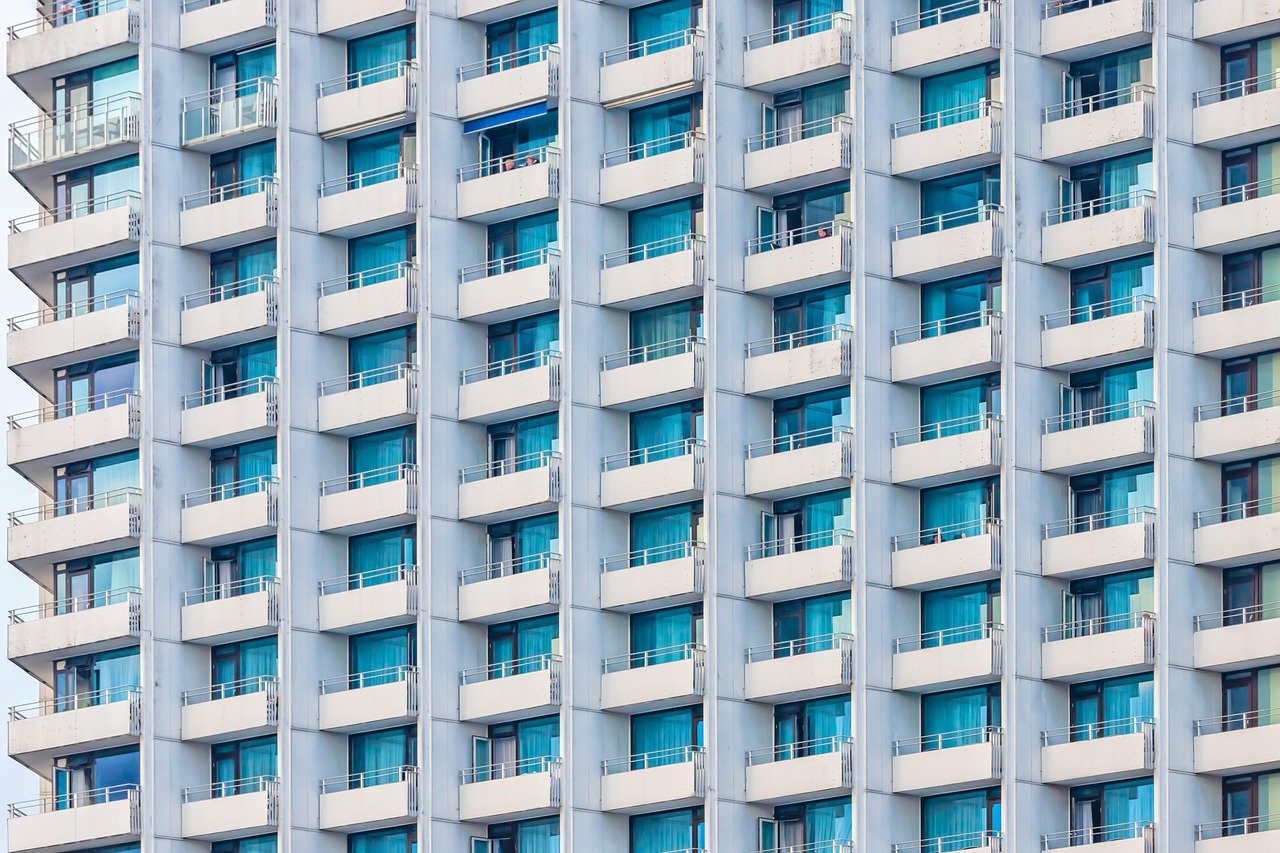

Sustainability in Urban Apartments: Housing Demand Meets Eco-Conscious Living
Understanding Urban Sustainability
The concept of sustainability in urban environments primarily revolves around managing the challenges of population density, resource scarcity, and environmental degradation while accommodating the growing demand for housing. Urban apartments are at the forefront of this movement, serving as a microcosm of broader sustainability practices. As cities expand and populations increase, the challenge lies in delivering environmentally-friendly living solutions that resonate with today’s eco-conscious residents.
The Growing Demand for Urban Housing
The rising trend of urbanization is stark; by 2050, it’s anticipated that nearly 68% of the global population will inhabit urban areas. This demographic shift has catalyzed a surge in housing demand, particularly in metropolitan regions. Urban apartments provide a solution, offering high-density living spaces that optimize land use and reduce suburban sprawl. However, this rising demand poses a significant challenge: how can developers and city planners ensure that these new housing solutions are sustainable?
Eco-Friendly Building Materials
One of the foundational elements of sustainability in urban apartment development is the use of eco-friendly materials. Traditional construction materials, such as concrete and steel, have significant environmental footprints. In contrast, sustainable options like bamboo, reclaimed wood, and recycled steel minimize ecological impact. Additionally, innovative materials such as rammed earth and straw bale construction are gaining popularity due to their low energy consumption and carbon sequestration capabilities.
Further, adhering to certifications like Leadership in Energy and Environmental Design (LEED) or similar programs can enhance sustainability credentials. These certifications encourage builders to consider sustainability from the ground up, guiding them toward more efficient energy systems and sustainable materials usage.
Energy Efficiency and Renewable Energy Sources
Energy consumption continues to be a pressing issue in urban apartments, accounting for a considerable portion of overall carbon emissions. To tackle this, builders increasingly integrate energy-efficient designs and technologies. High-efficiency HVAC systems, double-glazed windows, and improved insulation are just a few features that help reduce energy use.
Moreover, many urban apartments are now incorporating renewable energy sources, such as solar panels and wind turbines, into their design. These technologies not only lower energy costs for residents but also contribute to a sustainable urban grid. The integration of smart technologies and home automation systems further enhances energy efficiency, allowing residents to control their energy consumption effectively.
Water Conservation Strategies
Sustainable living in urban apartments extends beyond energy efficiency; it also encompasses resource conservation. Water scarcity is a growing global concern, and integrating water-saving features into apartment designs is vital. Modern urban apartments can employ low-flow fixtures, rainwater harvesting systems, and greywater recycling technologies. These systems maximize water use efficiency while minimizing waste, aligning with eco-conscious living objectives.
In addition, landscaping with native plants can significantly reduce water consumption for irrigation. By selecting drought-resistant flora, apartment complexes can create green spaces that enhance community aesthetics while requiring minimal water resources.
Waste Management and Circular Economy Principles
Effective waste management strategies are crucial in promoting sustainability within urban apartments. Adopting a circular economy approach—where resources are reused and recycling is maximized—can significantly mitigate waste. Many modern developments include integrated recycling and composting programs, encouraging residents to participate in sustainable waste practices.
Smart waste management systems—such as compost bins, recycling drop-off points, and the use of biodegradable materials—are increasingly prevalent. Sharing economy principles, such as co-working spaces and communal resources like tool lending libraries, further promote efficient use of resources among apartment residents.
Creating Green Spaces in Urban Settings
Green spaces are an essential component of sustainable urban living. Not only do they improve air quality, but they also create recreational areas that enhance residents’ quality of life. Urban apartments can benefit greatly from rooftop gardens, vertical green walls, and community parks integrated into the architectural landscape.
On a psychological level, green spaces contribute to mental well-being and social interaction among residents, fostering a sense of community. Additionally, urban gardens can produce food locally, reducing the need for long-distance transportation and supporting local biodiversity.
Sustainable Transportation Options
Another aspect of sustainable living in urban apartments is promoting alternative transportation methods. Developers can facilitate this by locating apartment buildings near public transportation hubs, bike lanes, and pedestrian paths. By ensuring easy access to public transit, pollutants from vehicles can be significantly reduced.
Incorporating amenities like bike storage areas, electric vehicle charging stations, and car-sharing programs within apartment complexes can further encourage residents to adopt sustainable transportation habits. Moving away from car dependency not only lessens environmental impact but also fosters community engagement among residents.
Community Engagement and Education
Promoting sustainability in urban apartments requires a robust engagement strategy. Community-building initiatives can empower residents to adopt eco-friendly practices in their daily lives. Workshops on sustainable living, environmental advocacy programs, and collaborative green projects can help residents understand their potential impact and motivate them to participate actively in sustainability initiatives.
Moreover, leveraging technologies such as apps that track energy usage or facilitate communication around community sustainability events can enhance resident participation and build a sense of shared responsibility.
Regulatory Framework and Policy Support
Policies at the city and state level play a crucial role in driving sustainability in urban housing. Zoning laws can promote high-density, mixed-use developments that minimize urban sprawl, while incentives for energy-efficient buildings can encourage builders to invest in sustainable materials and technologies. Policymakers can also mandate sustainable building practices through regulations, ensuring that new developments adhere to established standards.
Collaborations between city officials, developers, and environmental organizations can lead to innovative solutions that uplift sustainability practices within urban housing. This multi-faceted approach can pave the way for an eco-conscious urban lifestyle.
Conclusion
Adopting sustainable practices in urban apartments reflects a profound shift in housing development and lifestyle choices. As cities continue to grow, the urgency for eco-conscious living solutions becomes paramount. By integrating renewable energy sources, efficient resource management, and community engagement, urban apartments can meet housing demands while promoting a sustainable future. This evolution will not only fulfill the needs of the present but also safeguard the environment for generations to come.
