
Sustainable Living in the Caribbean: Eco Homes that Embrace Nature
Understanding the Need for Sustainable Living
The Caribbean islands are renowned for their stunning landscapes, vibrant culture, and rich biodiversity. However, the increase in tourism and urban development has placed immense pressure on the environment. Sustainable living has become imperative to preserve the natural beauty and ecological balance of these islands. Eco homes, designed to harmonize with their surroundings, embody this sustainable ethos.
What Is an Eco Home?
An eco home is a residence that minimizes its environmental impact by integrating sustainable materials, energy-efficient technologies, and resource conservation practices. These homes are designed to work with the local climate, enhance the natural ecosystem, and provide a healthy living environment for their inhabitants.
Key Features of Eco Homes in the Caribbean
-
Local Materials
Using materials sourced from the Caribbean not only supports local economies but also reduces the carbon footprint associated with transportation. Common building materials include bamboo, reclaimed wood, and stone. These materials are not only sustainable but also aesthetically pleasing, allowing for homes that blend seamlessly into the surrounding environment. -
Solar Energy
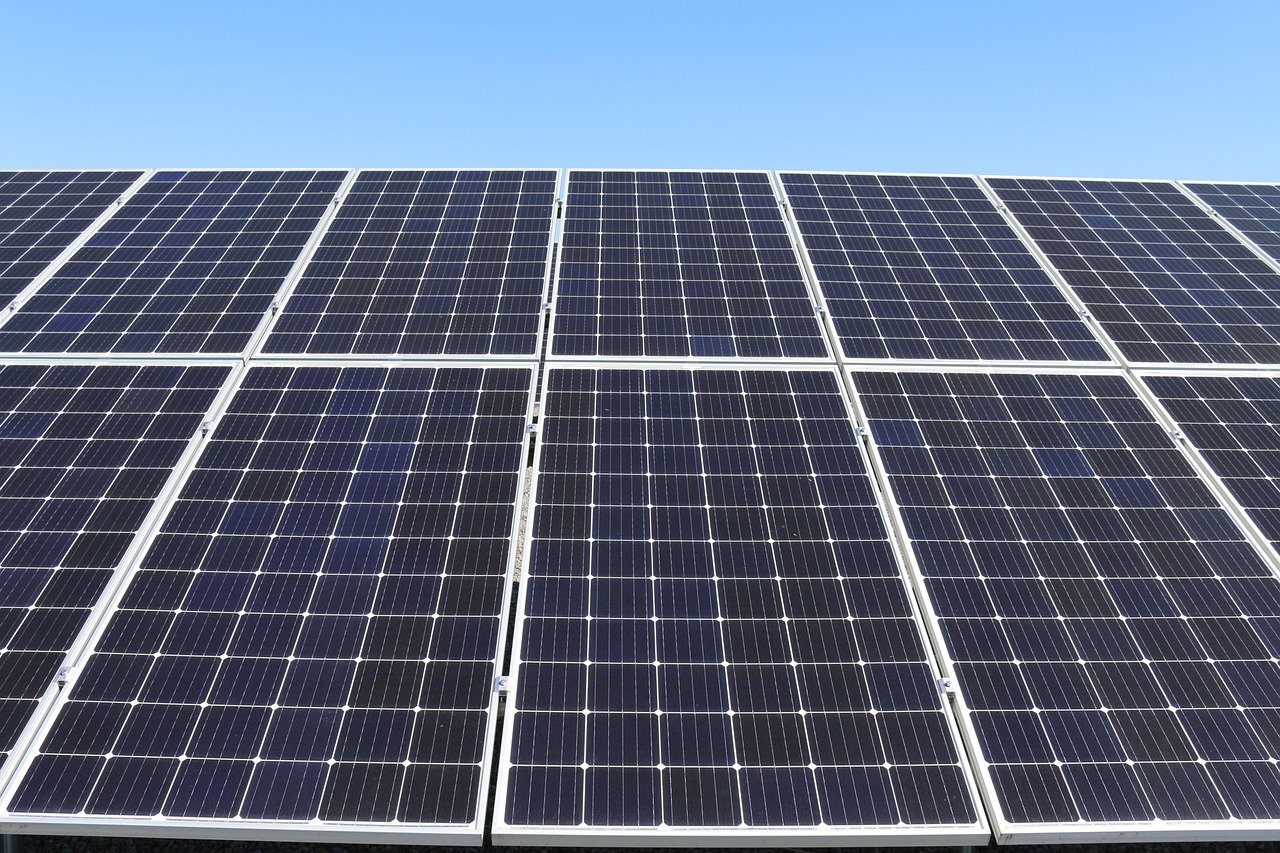
The Caribbean’s abundant sunshine makes solar energy systems highly effective and increasingly popular. Homeowners can install photovoltaic panels on roofs, allowing them to harness solar power for their energy needs. This setup can drastically reduce reliance on fossil fuels and lower energy bills, promoting a sustainable lifestyle. -
Rainwater Harvesting
Collecting rainwater is crucial in many Caribbean regions where freshwater sources may be limited. Eco homes often feature systems for rainwater collection, which can be used for irrigation, flushing toilets, or even, after proper filtration, for drinking water. This practice conserves precious resources and reduces dependency on municipal water supply systems. -
Natural Ventilation and Design
The traditional architecture of the Caribbean has always prioritized natural ventilation to combat humidity. Eco homes adopt this principle, incorporating large windows, high ceilings, and open layouts that promote airflow. By minimizing the need for air conditioning, homeowners reduce their energy consumption and enhance indoor air quality. -
Green Roofs and Living Walls
The incorporation of vegetation into home design not only beautifies the property but also contributes to biodiversity. Green roofs can help insulate buildings, reduce stormwater runoff, and even grow food. Living walls, or vertical gardens, can purify indoor air and provide habitat for local wildlife.
The Role of Community in Sustainable Living
Adopting an eco-friendly lifestyle goes beyond individual homes; it fosters a sense of community. Many Caribbean islands have embraced the concept of eco-neighborhoods, where homes are designed collectively with shared resources:
- Shared Solar and Water Systems: Communities increasingly invest in joint solar and rainwater systems, sharing the benefits and costs.
- Community Gardens: Local residents can grow fresh produce together, reducing food miles and fostering a sense of camaraderie.
Impact on Local Ecosystems
Eco homes’ sustainable features contribute positively to local ecosystems. By utilizing native plant landscaping instead of lawns, residents provide habitats for local birds and insects. Furthermore, residential areas that adopt eco-friendly practices promote biodiversity and help mitigate the effects of climate change.
Case Studies of Eco Homes in the Caribbean
-
The Eco-Lodge of Nevis: This eco home integrates local stone and wood, minimizing the use of concrete. Solar energy systems provide power, and rainwater harvesting systems cater to water needs, allowing the homeowners to live in harmony with nature.
-
The Bamboo House of Barbados: Constructed from sustainably sourced bamboo, this home is lightweight and well-ventilated. With high ceilings and large windows, it employs passive cooling techniques while reducing the carbon footprint associated with traditional construction.
Challenges to Sustainable Living in the Caribbean
Despite its benefits, sustainable living in the Caribbean faces challenges, including:
-
Limited Awareness: Many residents and builders may lack knowledge about sustainable practices and eco-friendly materials.
-
Higher Initial Costs: The upfront investment for sustainable homes can deter potential homeowners, although long-term savings may outweigh initial expenses.
-
Regulatory Hurdles: Building codes and regulations may not always accommodate innovative designs that prioritize sustainability.
Innovations in Eco Home Design
-
Modular Homes: Innovations in modular construction have reduced waste during the building process, as homes are constructed off-site and assembled on location. This technique often allows for more energy-efficient homes.
-
Smart Home Technology: Integrating smart home systems can optimize energy usage, allowing homeowners to monitor power consumption and adjust their habits accordingly.
The Future of Eco Homes in the Caribbean
As awareness surrounding climate change intensifies, the demand for eco homes in the Caribbean will likely grow. With more residents embracing sustainable living, the region can work toward preserving its unique environment for future generations. Collaboration among governments, non-profits, and local businesses will be essential in promoting best practices and providing educational resources.
Final Thoughts: A Harmonious Future
Eco homes are not only a trend; they represent a necessary shift toward sustainable living in the Caribbean. By embracing innovative designs and integrating eco-friendly materials and practices, the islands can secure a balance between development and nature. With this commitment, the Caribbean can continue to be a paradise for its residents and tourists alike, safeguarding its unique charm for years to come. Sustainable living is not merely a choice but a responsibility that every Caribbean islander can embrace, ensuring the preservation of this beautiful region for generations to come.
