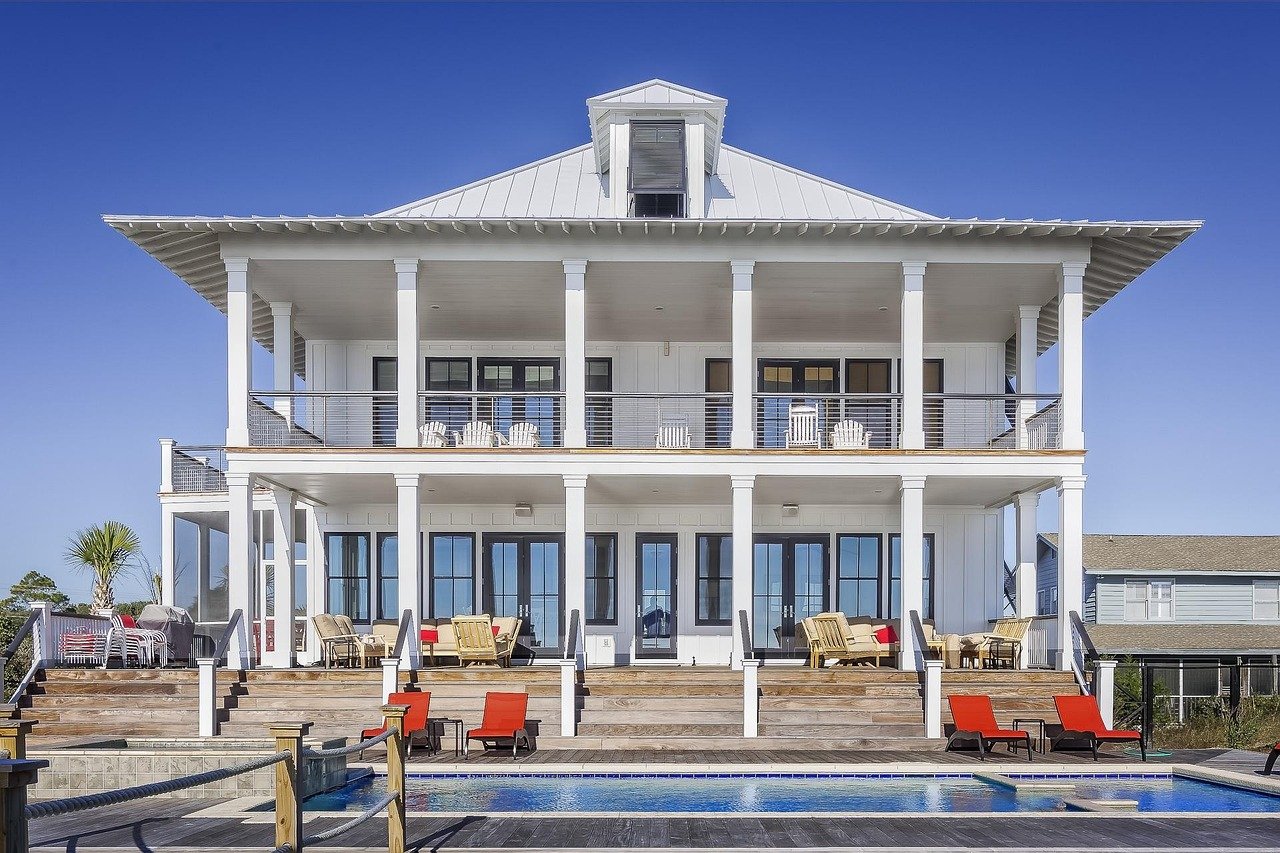

The Allure of Historic Mansions: Market Analysis and Property Features
Unique Architectural Design
Historic mansions offer a distinctive aesthetic, characterized by elaborate facades, intricate woodwork, and grand staircases. These properties frequently embody architectural styles like Victorian, Georgian, and Colonial Revival, making them far more visually intriguing than contemporary homes. The craftsmanship often includes stained glass windows, hand-carved moldings, and decorative cornices, which contribute to their unique charm. As buyers seek to stand out in a cookie-cutter world, these singular features become highly desirable, commanding attention in the real estate market.
Restoration Potential
Historically significant mansions provide opportunities for restoration that can increase property value significantly. A mansion requiring a new roof or updated plumbing can be a wise investment for those with an eye for historic authenticity. Buyers often collaborate with preservationists and architects specializing in renovations that honor the original design while accommodating modern living standards. Restoration projects not only enhance the physical property but also preserve culture and history, making it a more fulfilling venture for the buyer.
Luxe Amenities and Spacious Layouts
Many historic mansions boast expansive floor plans featuring multiple living rooms, grand dining halls, libraries, and spacious kitchens that reflect the tastes of bygone eras. The luxury of space provides homeowners incredible options for design and customization, accommodating both formal gatherings and relaxed family interactions. High ceilings and large windows create bright, airy atmospheres, while original fireplaces offer warmth and charm. These amenities result in homes that are not merely places of residence but also venues for social engagements, thereby enriching the homeowner’s lifestyle while enhancing property desirability.
Historical Significance and Social Cachet
Ownership of a historic mansion often comes with a sense of prestige and a connection to local history. Many of these properties have stories that capture the imagination, often linked to significant figures or events. Buyers are attracted to the idea of living within walls that have witnessed history, enhancing both personal identity and social standing. As the desire for socially recognizable homeownership grows, historic mansions become sought-after assets that often appreciate in value over time.
Location and Surrounding Assets
The positioning of historic mansions plays a critical role in their allure. Typically located in affluent neighborhoods, many are situated near cultural health clusters, parks, and community amenities, making them desirable for investment. The proximity to prestigious schools, museums, and other cultural landmarks adds layers of appeal, especially for families and professionals. Locations that successfully blend beauty and accessibility are not only pivotal to the mansion’s charm but are also relevant to its value in a competitive market.
Eco-Friendly Conversions and Modern Updates
Although historic homes tend to glorify traditional materials and designs, many owners are shifting toward sustainable living practices. This change has sparked innovative retrofits like energy-efficient windows, sustainable roofing systems, and water-saving plumbing. By integrating green technologies into the historic framework, homeowners not only reduce utility costs but also enjoy increased marketability for environmentally conscious buyers. This unique blend of past and present resonates strongly with current homebuyers, further enhancing the appeal of preserved historic properties.
Market Analysis: Demand and Trends
The market for historic mansions has seen fluctuations influenced by economic conditions, cultural interest in preservation, and buyer demographics. In recent years, there is an observable trend of millennials investing in unique properties rather than the standard developments. As wealth dynamics shift, so too does interest in properties with character. Agents often cite historic homes as highly desirable, especially when they are well-maintained and located in thriving communities.
Additionally, buyers are increasingly interested in “turnkey” options where major renovations have already been completed. Properties that offer a blend of history and modern conveniences tend to attract significant attention, leading to competitive bidding situations. Furthermore, historic neighborhoods often find themselves included on the National Register of Historic Places, which can enhance property values through state and federal incentives for preservation work.
Real Estate Investment Opportunities
Investing in historic mansions can yield profitable returns, whether purchased for personal use or as rental properties. Vacation rental platforms like Airbnb have gained traction among historic property owners, who can benefit from the unique experiences their homes provide. This trend is particularly lucrative in cities with a rich heritage, as tourists flock to attractions that delve into local history. Investors looking for cash flow opportunities may find that historic properties make excellent rentals, provided they harness their allure with effective marketing.
Buyer Demographics: Who Wants to Own a Historic Mansion?
The profile of buyers interested in historic mansions has become increasingly diverse. Traditionally, wealthier individuals or families sought these properties, but today’s buyers include younger professionals, historical societies, and even developers. Engagement with local communities often reflects an interest in preservation and cultural appreciation, expanding the market beyond traditional boundaries. With social media showcasing lifestyle opportunities, younger buyers are more likely to embrace the narrative that comes with historic properties, pursuing unique homeownership experiences.
Financing and Grants for Restoring Historic Mansions
Navigating the financial aspects of purchasing a historic mansion can be intricate. Numerous grants and tax incentives exist for properties on the National Register of Historic Places, facilitating the funding of restoration projects. State and local governments often provide resources for homeowners aiming to restore and maintain their properties, which can offset the costs of renovation. Understanding the potential financial advantages is crucial for prospective buyers engaged in the market, enabling them to invest strategically and maintain financial viability while undertaking restoration projects.
Conclusion: The Continued Allure of Historic Mansions
The appeal of historic mansions lies not only in their tangible characteristics but also in the intangible narratives they carry. From architectural elements to cultural significance, these homes resonate deeply with individuals who value history and uniqueness. As trends evolve and more buyers seek meaningful investment in their homes, historic mansions will continue to hold a unique place in the real estate landscape, weaving together the threads of yesterday and today. With increasing interest in sustainability, amenities, and social status, the market for these homes is poised for continued growth, ensuring that historic mansions remain timeless treasures in the world of real estate.
