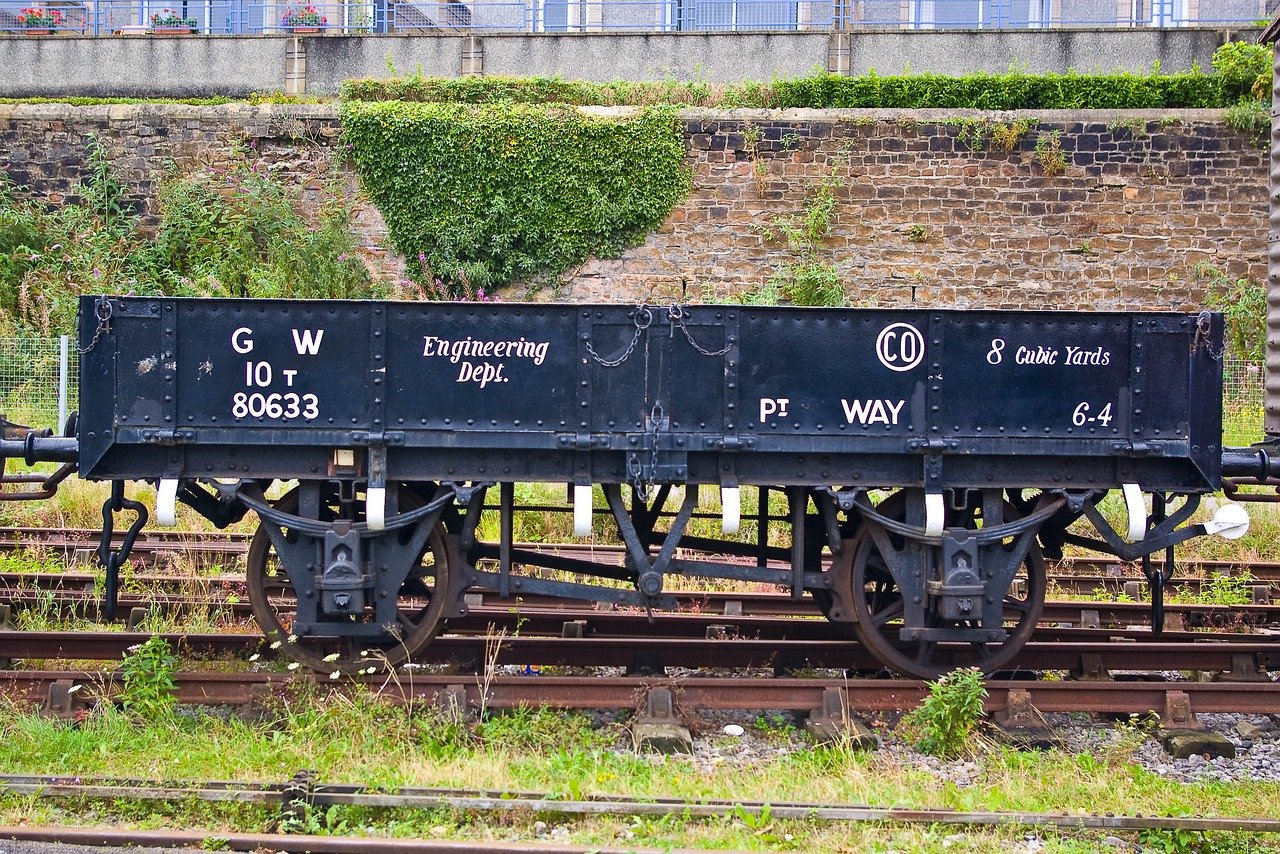

The Rust Belt, historically known for its booming industrial economy, has undergone significant transformations over the decades. Once dominated by manufacturing, this region has faced economic decline due to deindustrialization, globalization, and shifts in labor markets. To understand the current landscape of the Rust Belt, it’s essential to explore the evolution of its economy and consider the innovative strategies being adopted for revitalization.
Historical Context
The Rust Belt encompasses parts of the northeastern and Midwestern United States, including cities like Detroit, Cleveland, and Pittsburgh. In the early 20th century, these areas were the heart of American manufacturing, producing steel, automotives, and textiles. However, the post-WWII era marked a turning point. Economic policies, coupled with rising foreign competition and technological advancements, led to the migration of industries to areas with cheaper labor costs or to countries with fewer regulations.
By the 1980s and 1990s, many factories had closed, resulting in widespread unemployment, urban decay, and population loss. Neighborhoods that once thrived suffered from disinvestment, leading to increased rates of poverty and crime.
Emerging Challenges
Several challenges emerged as the Rust Belt transitioned from a manufacturing powerhouse to an economic landscape riddled with difficulties. One significant issue was the limited diversification of the economy. Cities heavily reliant on a single industry found it difficult to pivot when factory jobs disappeared. Additionally, the educational attainment levels in the population posed a challenge; much of the workforce lacked the necessary skills for newly emerging sectors such as technology and services.
Infrastructure decay also hampered economic recovery. Many cities struggled to maintain public services, transportation networks, and housing, which in turn deterred new businesses from emerging in the area. Furthermore, systemic issues like racial segregation and income inequality compounded these challenges, making it vital to adopt a nuanced approach to revitalization.
Revitalization Strategies
Despite these challenges, innovative strategies for economic revitalization are taking root in the Rust Belt. Here are some major approaches that cities are using to reclaim their economic vibrancy:
-
Diversification of the Economy
Cities are recognizing the importance of economic diversification. By encouraging the growth of sectors such as healthcare, information technology, renewable energy, and tourism, municipalities are reducing their reliance on manufacturing. For instance, Pittsburgh has successfully transitioned to a tech hub, attracting startups and venture capital investments that contribute to job creation and innovation.
-
Investment in Education and Workforce Development
Acknowledging the skills gap has led many Rust Belt cities to invest in education and workforce training programs. Collaborations between community colleges and local industries are essential. Programs tailored to equip individuals with skills relevant to modern industries help workers transition into roles in technology or healthcare. For example, Detroit has implemented several initiatives focused on retraining workers, providing apprenticeships, and expanding access to vocational education.
-
Revitalization of Downtown Areas
Urban renewal projects are transforming downtowns from abandoned spaces into vibrant community hubs. Investment in infrastructure, public spaces, and arts initiatives encourages people to return to the city centers. Cleveland, for instance, has seen a resurgence in its downtown area through mixed-use developments that combine residential, commercial, and recreational spaces. This reinvestment leads not only to economic activity but also enhances quality of life.
-
Support for Small Businesses and Entrepreneurs
Encouraging entrepreneurship helps stimulate local economies. Cities are creating incubators and accelerators to support startups and small businesses with funding, mentorship, and networking opportunities. Initiatives like these provide a fertile ground for innovation, promoting economic resilience. Notably, cities such as Indianapolis have established strong ecosystems that support small businesses through grants and low-interest loans.
-
Focus on Sustainable Practices
As the world shifts towards sustainability, Rust Belt cities are embracing green practices. Investments in renewable energy create jobs while improving environmental conditions. Cities like Toledo have prioritized solar and wind energy projects, betting on a clean energy future that also addresses climate change and pollution. Moreover, sustainable redevelopment of brownfield sites prevents further environmental degradation.
-
Leveraging Technology and Innovation
Technological innovation is at the forefront of revitalization efforts. Rust Belt cities are prioritizing smart city initiatives, using data and technology to improve urban living. Through smart traffic systems, public safety enhancements, and digital infrastructure, cities make themselves attractive to younger demographics and tech companies. Examples include Columbus, which won the Smart City Challenge, investing heavily in connected transportation systems.
-
Building Community Resilience
A thriving community is fundamental for economic revitalization. Community-driven programs focus on engagement and inclusion, empowering residents to participate in local decision-making processes. Efforts to foster neighborhood associations, cultural activities, and social enterprises create a sense of belonging, reducing social isolation, and improving overall well-being.
-
Public-Private Partnerships
Collaboration between government entities and private businesses is essential in revitalizing the Rust Belt. Public-private partnerships can mobilize resources for infrastructure projects and economic development initiatives. Successful collaborations can be seen in cities like Milwaukee, where public and private sectors work together on urban development projects and workforce training programs, leveraging strengths from both to fuel growth.
-
Utilizing Cultural Assets
Emphasizing cultural heritage can be a powerful economic driver. Cities are capitalizing on their historical significance, arts, and unique identities to attract tourism and investment. For example, cities like Buffalo have highlighted their architectural heritage and culinary scenes to draw visitors and improve economic prospects.
-
Policies for Inclusive Growth
Lastly, revitalization strategies must be underpinned by policies that promote inclusive growth. Antidisplacement measures, affordable housing initiatives, and equitable job creation strategies ensure that revitalization efforts benefit long-term residents rather than contributing to gentrification. This approach fosters social cohesion and economic stability.
Conclusion
The evolution of the Rust Belt is a story of resilience, adaptation, and innovation. By embracing a multifaceted approach to economic revitalization—one that includes diversifying the economy, enhancing education, and leveraging cultural assets—Rust Belt cities are positioning themselves for a brighter future. As these strategies take root, the region illustrates the potential for transformation, serving as a model for other areas facing similar challenges. This continuous evolution highlights the possibility of renewal and growth in the face of adversity, marking a new chapter in the Rust Belt narrative.
