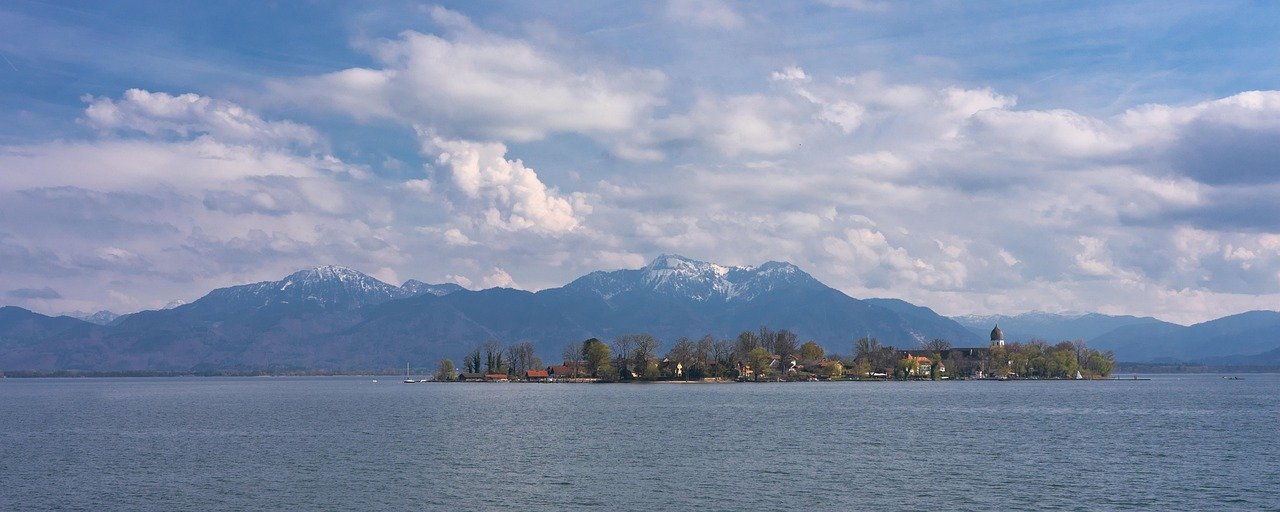

The Future of Island Living: Balancing Tourism Growth with Eco-Friendly Developments
Understanding Island Tourism Dynamics
Island destinations have long captivated travelers with their pristine beaches, unique ecosystems, and rich cultures. Globally, tourism has become an economic mainstay for many island communities. However, this influx of visitors brings both opportunities and challenges. As tourism continues to grow, it is crucial to develop strategies that balance economic benefits with environmental sustainability.
The Economic Benefits of Tourism
Tourism plays a vital role in boosting local economies by creating jobs and generating revenue. The industry supports hospitality sectors, including hotels, restaurants, and local attractions, fostering entrepreneurship and increasing foreign investment. Additionally, taxes from tourism investments often fund essential public services such as education, healthcare, and infrastructure development. For many island nations and communities, tourism can be the lifeblood—if managed prudently.
The Environmental Impact of Tourism
While tourism can be economically beneficial, it also poses significant risks to the delicate ecosystems of island environments. High footfall can lead to habitat destruction, pollution, and increased resource consumption. For example, the construction and operation of resorts can lead to coastal erosion, marine ecosystem degradation, and waste management challenges. The pressing reality is that unchecked tourism threatens the very landscapes and cultures that attract visitors.
Sustainable Tourism Practices
To mitigate these adverse effects, the concept of sustainable tourism has gained traction among policymakers and stakeholders. Sustainable tourism entails a balance between meeting the needs of travelers, the economy, and the environment. Eco-friendly initiatives such as eco-lodges, responsible wildlife tourism, and community-based tourism are pivotal in promoting sustainable practices.
-
Eco-lodges: These accommodations minimize their environmental footprint by utilizing renewable energy sources, conserving water, and sourcing local food. Staying in eco-lodges allows tourists to experience the natural beauty of islands while contributing to conservation efforts.
-
Wildlife tourism: Responsible wildlife tourism educates visitors about local fauna without exploiting or endangering the species. Tour operators can offer experiences focusing on conservation, benefiting both tourism and wildlife protection.
-
Community-based tourism: Encouraging travelers to engage with local communities fosters cultural understanding and contributes directly to local economies. Programs that showcase traditional practices or promote crafts and cultural exchanges help maintain cultural heritage while providing income to residents.
Incorporating Green Technology
Advancements in green technology can significantly enhance the sustainability of island tourism. Solar energy, wind power, and waste management innovations are essential in reducing dependency on fossil fuels and minimizing environmental impact.
-
Solar Energy: Many islands enjoy abundant sunshine, making solar energy an ideal solution. Solar panels can power resorts, hotels, and local businesses, reducing electricity costs and achieving a smaller carbon footprint.
-
Waste Management Systems: Innovative waste management solutions, like composting and recycling programs, can transform trash disposal into a more eco-friendly process. Waste-to-energy technologies convert organic materials into usable energy while minimizing landfill contributions.
-
Water Conservation: Technologies like rainwater harvesting and desalination can help islands cope with freshwater scarcity while ensuring sustainable use of water resources.
Regulation and Policy Development
Governments must implement regulations that align tourism practices with environmental preservation. Tourism policies should emphasize environmental assessments before new developments and enforce limits on visitor numbers to protect sensitive areas. Zoning laws can ensure that tourism developments adhere to sustainable practices, thus preventing overdevelopment and loss of biodiversity.
Engaging local communities in decision-making
Local communities must have a voice in tourism planning and development initiatives. Ensuring that developers and local governments involve residents allows for a more comprehensive understanding of cultural and environmental priorities. Community engagement initiatives result in tourism developments that resonate with locals and visitors alike.
Promoting Education and Awareness
Raising awareness about the importance of sustainable tourism among both local residents and visitors is crucial for successful implementation. Educational campaigns can inform travelers about responsible practices such as reducing waste, adhering to ecological guidelines, and respecting local cultures. On-site educational experiences, such as guided nature tours or workshops, empower visitors and foster a greater appreciation for the host environment.
Future Trends in Island Living
The future of island living will likely see a further integration of technology with sustainability efforts. Innovations like virtual tourism and augmented reality experiences could alleviate environmental pressures by allowing people to explore islands remotely. This digital travel experience might reduce the number of visitors while still providing economic benefits to local communities through online tours or cultural experiences.
Also, a shift toward “slow tourism” is gaining popularity, where travelers focus on quality experiences rather than quantity. This trend encourages longer stays, greater economic contributions per visitor, and reduced environmental burdens over time.
Climate Change Considerations
Addressing climate change impacts is paramount for the future of island living. Rising sea levels, increased storm intensity, and changing marine ecosystems are pressing challenges for island communities. Adaptive measures that include developing resilient infrastructure, restoring mangroves and coral reefs, and implementing policies aimed at mitigating climate change help safeguard these fragile environments.
Importance of Data and Technology in Decision-Making
Leveraging data analytics can help capture tourism trends and management needs. Data-driven approaches equip policymakers and stakeholders with insights to make informed decisions about tourism growth, infrastructure planning, and environmental protection. Coupled with real-time monitoring technologies, such as drones and IoT devices, these data practices enhance conservation efforts and monitor the health of ecosystems.
Investment in Sustainable Infrastructure
Investing in resilient infrastructure is essential for transforming island tourism. Sustainable transport systems, such as electric buses or bike rental programs, encourage eco-friendly travel. Additionally, investing in smart water management systems and renewable energy sources facilitates economic stability while supporting environmental goals.
Collaborative Efforts on a Global Scale
International collaborations between governments, NGOs, and the private sector can enhance the sustainability of island tourism. Sharing best practices and resources fosters collective efforts toward tackling climate impacts, facilitating knowledge exchange and funding opportunities.
By anticipating future challenges and working towards strategic solutions, the tourism industry can enhance the viability of island living in the face of evolving environmental concerns. It is only through collaboration and a steadfast commitment to eco-friendly practices that islands can thrive economically while preserving their rich natural and cultural heritage.
