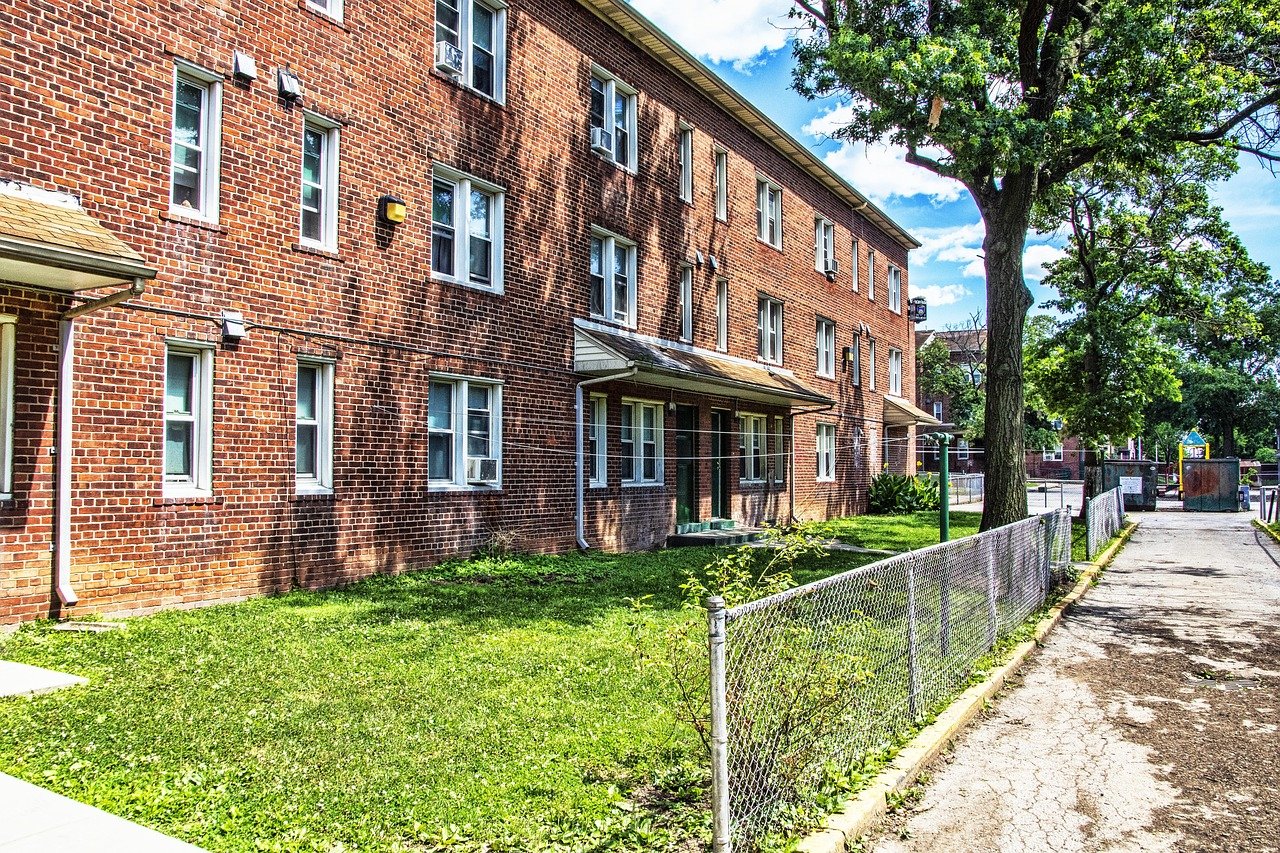

The Future of Mixed-Use Developments in City Living
Understanding Mixed-Use Developments
Mixed-use developments (MUDs) integrate residential, commercial, and sometimes industrial spaces into a single project. This design creates a vibrant community where people can live, work, and play without the need for extensive commuting. MUDs have become increasingly popular in urban areas, especially as city living evolves to accommodate a growing population and changing lifestyles.
Emerging Trends in Urban Living
-
Sustainability: Eco-friendly design and construction methods are becoming standards in MUD projects. Developers are focusing on sustainable materials, energy-efficient systems, and green spaces to promote a healthier living environment. Vertical gardens, solar panels, and rainwater harvesting systems are becoming common features that not only enhance aesthetics but also serve ecological functions.
-
Smart Technology Integration: The future of MUDs is heavily tied to technology. From smart home systems to autonomous transport solutions, the integration of technology in mixed-use developments enhances convenience and safety. High-speed internet access, smart lighting, and integrated security systems cater to the tech-savvy urban dweller.
-
Community-Centric Designs: Developers are increasingly prioritizing community engagement in their planning processes. This involves creating spaces that foster social interaction, such as communal gardens, rooftop lounges, and public art installations. The aim is to build a sense of belonging among residents while also integrating local businesses to serve their needs.
Benefits of Mixed-Use Developments
Reduced Reliance on Cars: MUDs are often located in urban centers where public transportation is readily accessible. This proximity encourages residents to walk, bike, or use public transit rather than rely on cars, reducing traffic congestion and lowering carbon footprints.
Economic Revitalization: By combining residential and commercial spaces, MUDs stimulate local economies. They create job opportunities, attract small businesses, and enhance the appeal of neighborhoods, ultimately contributing to economic growth.
Increased Property Values: Properties within mixed-use developments often see higher property values due to their desirable location and integrated lifestyle offerings. As demand for urban living rises, MUDs can provide a lucrative investment opportunity for developers.
Design Innovations in MUDs
-
Flexible Spaces: The future of MUD designs includes adaptable spaces that can change according to the needs of the community. For example, a retail space can be transformed into a pop-up restaurant or community center as needed, enhancing the flexibility and utility of developments.
-
Vertical Living and Working Spaces: Developers are increasingly looking toward verticality as a response to urban sprawl and land shortages. High-rise mixed-use buildings maximize land usage, with commercial spaces located on lower levels and residential units above. This configuration reduces land consumption while catering to modern urban dwellers’ preferences for convenient living.
-
Inclusive Design: MUDs are focusing on inclusivity by providing affordable housing options alongside market-rate units. This balance promotes diversity and ensures communities are accessible to individuals of various socioeconomic backgrounds. Further, developers are integrating features like accessible entries, common areas, and facilities for disabled individuals to promote inclusivity.
Challenges Facing Mixed-Use Developments
Zoning Regulations: Many cities have strict zoning laws that often hinder the development of mixed-use spaces. Developers must navigate bureaucratic regulations, which can delay projects and increase costs. Advocacy for policy reform that supports MUDs is crucial for their future.
Market Demand Fluctuations: The success of MUDs heavily relies on market demand for both residential and commercial spaces. Sudden economic downturns or changes in consumer behavior can affect occupancy rates and the viability of businesses within MUDs. Developers must conduct thorough market research to anticipate shifts in demand.
Community Resistance: While MUDs can enhance neighborhoods, they may also face pushback from existing residents concerned about gentrification and increased traffic. To counter resistance, developers must prioritize community outreach and emphasize the benefits of mixed-use living.
The Role of Government and Policy
Government plays a crucial role in shaping the future of mixed-use developments. Policymakers can encourage MUDs through incentives, grants, and zoning reforms that facilitate blending residential and commercial spaces. Collaboration between city planners, developers, and community members is vital to create balanced regulatory frameworks that promote sustainable growth while protecting existing communities.
The Importance of Transportation Accessibility
As MUDs continue to evolve, transportation accessibility remains a key consideration. Developers are increasingly partnering with local transit authorities to ensure that mixed-use neighborhoods are well-connected to public transportation options. Additionally, incorporating bike lanes and pedestrian pathways enhances mobility, making city living more sustainable and enjoyable.
The Impact of Demographic Shifts
The demographic landscape is changing, with millennials and Gen Z prioritizing urban living. These generations value experience over possessions, driving demand for vibrant, mixed-use communities that allow for social interaction and convenience. MUDs are well-positioned to meet these evolving preferences, providing accessible amenities and fostering community connections.
Case Studies: Exemplary Mixed-Use Developments
-
Hudson Yards, New York City: As one of the largest private real estate developments in the U.S., Hudson Yards showcases the future of mixed-use living. This project combines residential units, office spaces, and retail centers, all connected by open public spaces. The integration of art installations and parks invites community engagement and reflects the demand for a balanced urban lifestyle.
-
The High Line, New York City: This elevated park transformed the surrounding area into a thriving mixed-use district. The incorporation of green space, walkable pathways, and nearby commercial hubs has revitalized neighborhoods and demonstrates how MUDs can enhance urban areas’ livability and appeal.
The Global Perspective on Mixed-Use Developments
Many international cities are embracing mixed-use developments as they pivot towards more sustainable urban environments. For instance, the redevelopment of the King’s Cross area in London has transformed a formerly industrial site into a vibrant mixed-use community. Emphasizing public transport accessibility, parks, and diverse residential options, it serves as a blueprint for urban regeneration globally.
Conclusions on the Future of Urban Mixed-Use Living
The future of mixed-use developments in city living is brimming with potential. As urban areas densify and populations grow, MUDs present a practical solution to modern living challenges. They can enhance quality of life, promote sustainability, and encourage community engagement. By embracing technological innovations, flexible designs, and inclusive policies, mixed-use development can transform city living into a more cohesive, vibrant experience for all urban residents.
