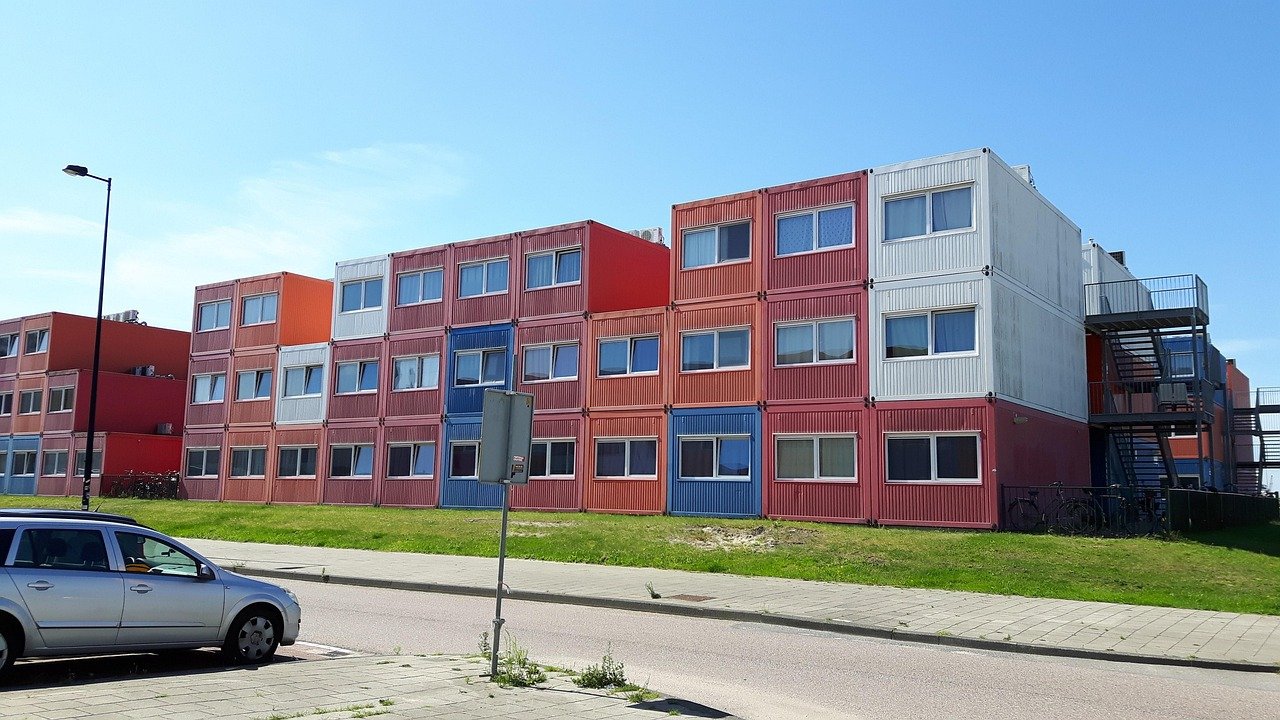

The Growth of Co-Living Spaces Among College Students
Understanding Co-Living Spaces
Co-living spaces are shared housing environments designed to provide affordable living options while fostering community interaction among residents. These spaces often offer individual bedrooms with shared common areas such as kitchens, living rooms, and recreational facilities. While co-living has roots in communal living practices, it has evolved significantly to cater specifically to the needs of younger generations, particularly college students seeking convenience, community, and affordability.
Trends Driving the Popularity of Co-Living
-
Affordability Challenges:
The cost of college education has surged significantly over the past decade, leaving students struggling with high rents in urban settings. Co-living spaces typically provide a cost-effective alternative to traditional student housing. By sharing utilities and rent, students can benefit from lower living expenses, alleviating some financial burdens associated with college life. -
Shift in Living Preferences:
Today’s college students often prioritize community over isolation. The traditional dormitory experience, characterized by limited social interaction, is increasingly perceived as less appealing. Co-living promotes an interactive lifestyle where students can build friendships and networks, enhancing their overall college experience. -
Convenience and Flexibility:
Most co-living spaces come fully furnished and include essential amenities such as Wi-Fi, cleaning services, and utilities in the rent. This provides a hassle-free living arrangement that is especially appealing for busy students who juggle academic commitments, part-time jobs, and social activities. The flexible lease options also cater to students who may only need housing for a semester or two. -
Urbanization and Student Migration:
As more students relocate to major cities for their studies, co-living spaces have emerged as a viable solution. Cities with high student populations, such as Boston, San Francisco, and New York, have seen an exponential rise in the number of co-living facilities, making it easier for students to find housing close to campus and other amenities.
Benefits of Co-Living for Students
-
Community and Networking Opportunities:
Living with peers can facilitate the sharing of ideas, cultures, and experiences. Co-living spaces often host social events and activities, bringing together students from diverse backgrounds to collaborate and learn from each other. These networking opportunities can be invaluable, both personally and professionally. -
Shared Responsibilities:
Co-living fosters a sense of responsibility among students. With shared chores and group living arrangements, students learn crucial life skills like negotiation, teamwork, and conflict resolution, preparing them for life after graduation. -
Enhanced Learning Environment:
Many co-living spaces are designed to support academic success by providing common study areas, quiet zones, and reliable Wi-Fi. The presence of like-minded individuals can motivate students to stay focused and productive. -
Sustainable Living Practices:
Many co-living spaces embrace eco-friendly practices, including recycling and energy conservation. Students are increasingly becoming environmentally conscious, and co-living allows them to maintain sustainable lifestyles without compromising their living standards.
Potential Drawbacks of Co-Living
-
Privacy Concerns:
While co-living promotes community interaction, the potential lack of privacy may deter some students. Shared spaces mean students must navigate common areas, which can sometimes lead to conflicts over personal space and noise levels. -
Varying Habits and Lifestyles:
Every individual has their own routines and habits. Students sharing a living space may face challenges in adjusting to the lifestyles of their roommates, whether it’s regarding cleanliness, noise during study hours, or social habits. -
Contractual Rigidities:
While co-living spaces often provide flexible leasing options, the contracts can sometimes include terms that are onerous or difficult to navigate. Students need to thoroughly understand the agreements before committing, as hidden fees or regulations can impact their living experience.
The Role of Technology in Co-Living
Technology plays a crucial role in the seamless operation of co-living spaces. Online platforms enable students to apply and manage leases easily, communicate with housemates, and even connect with potential roommates before moving in. Many co-living companies use tech-driven solutions to coordinate maintenance requests, pay rent, and organize community events, thus enhancing the living experience.
Future Directions for Co-Living Spaces
As co-living continues to capture the interest of college students, the future looks bright. Developers are beginning to tailor co-living facilities to specific demographics, integrating amenities that cater to various interests such as fitness, arts, or entrepreneurship. Furthermore, with advances in smart home technologies, future co-living spaces may offer enhanced connectivity and personalized experiences for residents.
Additional factors such as diversity, inclusivity, and wellness are also becoming focal points for new co-living projects, ensuring a more enriched living environment. This evolution reflects the changing dynamics of student life, addressing the clear demand for affordable, community-oriented housing solutions.
Conclusion
The rise of co-living spaces among college students illustrates a shift in housing preferences driven by modern challenges and lifestyles. With various benefits such as affordability, community, and convenience, alongside the rise of technology and innovative living arrangements, the co-living trend is likely to expand further, reshaping the landscape of student housing for years to come. As this phenomenon continues to grow, understanding its implications and benefits will be essential for students.
