
Understanding Construction Delays
1. Factors Leading to Construction Delays
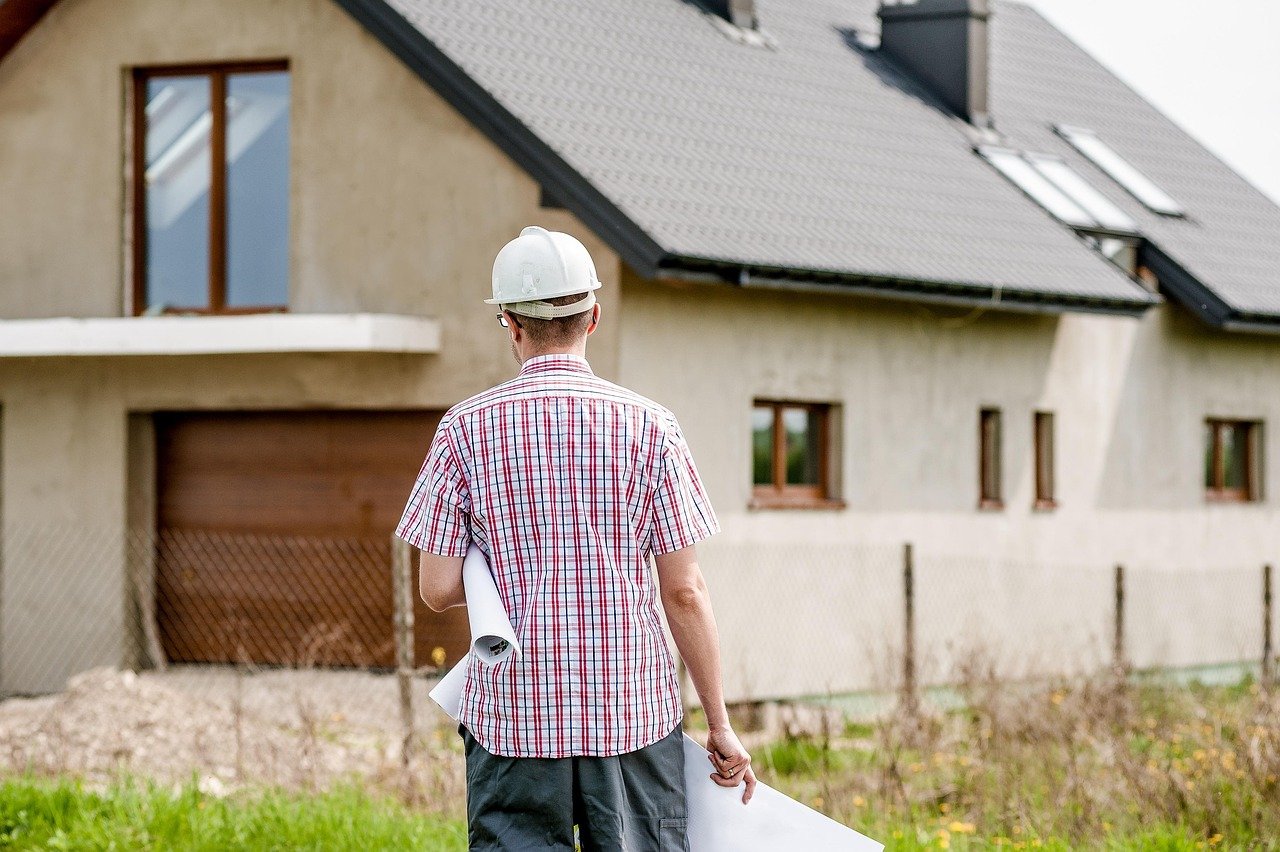
Construction delays can arise from various factors, including financial constraints, weather-related interruptions, labor shortages, and supply chain disruptions. In many cases, delays stem from poor project management, which can lead to miscommunications and inefficient workflows. Additionally, regulatory and zoning issues may also hinder progress, resulting in extended timelines.
2. Consequences of Delays on Project Timelines
When a construction project is delayed, it disrupts the entire workflow, which can push back estimated delivery dates for student housing. These delays can range from weeks to months, and stakeholders, including universities, developers, and students, feel the repercussions. Longer construction periods typically lead to increased project costs due to labor and material price increases over time.
Implications for Student Housing Availability
3. Shortage of Student Housing
Construction delays severely impact the availability of student housing, leading to a shortage that affects both new and returning students. Universities heavily rely on newly constructed housing to meet the growing demand from an increasing student population. When these projects are delayed, institutions may find themselves unable to accommodate all students, potentially leading to overcrowded dormitories or forcing students to seek off-campus accommodations at inflated prices.
4. Impact on Enrollment and Retention Rates
The availability of adequate housing is crucial for students’ overall college experience. A shortage of suitable housing options can deter prospective students from enrolling in a university. Additionally, existing students may decide to transfer if they experience difficulties securing comfortable living arrangements. This decline in enrollment can have long-term impacts on a university’s reputation and revenue.
Financial Effects on Stakeholders
5. Increased Construction Costs
One of the most significant costs associated with construction delays is the rise in expenses. As construction timelines extend, costs for labor and materials typically increase. Developers may face decreased profit margins, affecting their ability to fund future projects. When budgets swell due to delays, many developers may need to pass these additional costs onto students, leading to higher rental prices for student housing.
6. Financial Burdens on Students
Higher rental costs due to construction delays can place a significant financial burden on students and their families. Many students already struggle to manage tuition and living expenses, and any increase in rental fees could push higher education out of reach for some. Ultimately, this can lead to a cycle of financial stress that may impact students’ academic performance and mental health.
Quality of Housing and Living Conditions
7. Compromises in Quality
In an effort to complete projects more quickly after experiencing delays, developers may rush through construction phases. This urgency can lead to compromised quality, potentially resulting in subpar living environments. Poor construction practices can affect safety, sustainability, and the overall living experience, which is a crucial factor for students.
8. Long-Term Consequences for Developers
Developers who prioritize speed over quality in the face of delays risk long-term damage to their reputation. Poor construction leads to negative reviews, reduced leasing rates, and diminished market trustworthiness. This situation can severely hinder their ability to secure financing for future projects, leading to a continued cycle of financial struggle and delays.
Market Dynamics and Alternatives
9. Increasing Demand for Alternative Housing Solutions
When traditional student housing fails to meet demand, other housing solutions gain traction. This includes shared housing options, co-living spaces, and even temporary accommodations like hotels or hostels. These alternatives might not be adequately equipped to serve students and may lack essential amenities like study spaces or reliable internet access.
10. Influence on Local Housing Markets
Construction delays can also have a ripple effect on local housing markets. As students turn to off-campus options due to limited university-accommodated housing, local demand for rental properties can increase. This trend can lead to rising rents throughout the community, straining the budgets of not only students but also local residents.
Policy and Planning Considerations
11. Importance of Strategic Planning
Effective strategic planning is crucial in mitigating construction delays. University administrations and developers should collaborate to create realistic timelines, budgets, and contingencies. Adopting more agile project management methodologies can benefit all parties involved by promoting transparency and efficiency.
12. Policy Interventions to Support Student Housing
Local governments and educational institutions can implement policies aimed at reducing construction delays. Streamlining zoning and permitting processes, providing incentives for timely project completion, and fostering financial partnerships between stakeholders can contribute to a more effective balance in student housing development.
The Future of Student Housing
13. Innovations in Construction
Advancements in technology and construction methods could provide new opportunities to circumvent common delays. For example, modular construction techniques allow for parts of a building to be prefabricated off-site, reducing time spent on the actual job site. The adoption of Building Information Modeling (BIM) can also lead to better planning and oversight throughout a project’s life cycle.
14. Community Engagement in Planning
Engaging students and communities in the planning process can ensure that housing meets the expectations and needs of current and prospective students. By gathering insights through surveys or focus groups, universities can tailor housing options to better fit students’ desires, further reducing the risk of vacancies.
Conclusion
While the effects of construction delays on student housing availability can lead to numerous issues, proactive planning, innovative approaches, and community collaboration can help mitigate these challenges. As the landscape of higher education continues to evolve, understanding and addressing these challenges will be crucial for nurturing environments conducive to student success.
