
The Rise of Eco-Friendly Island Properties: Trends Shaping the Future of Real Estate
Understanding Eco-Friendly Island Properties
Eco-friendly island properties embody a growing trend in real estate where sustainability and luxury coexist harmoniously. Defined by their minimal ecological footprint, these properties prioritize environmental stewardship through various features and innovations. The emphasis on sustainability aligns with global consciousness regarding climate change and the need for environmentally responsible living.
Characteristics of Eco-Friendly Island Properties
-
Sustainable Materials: Eco-friendly island homes often feature sustainable building materials such as bamboo, reclaimed wood, and recycled metals. These materials minimize environmental impact while enhancing aesthetic appeal. Properties that incorporate such elements often appeal to environmentally conscious buyers.
-
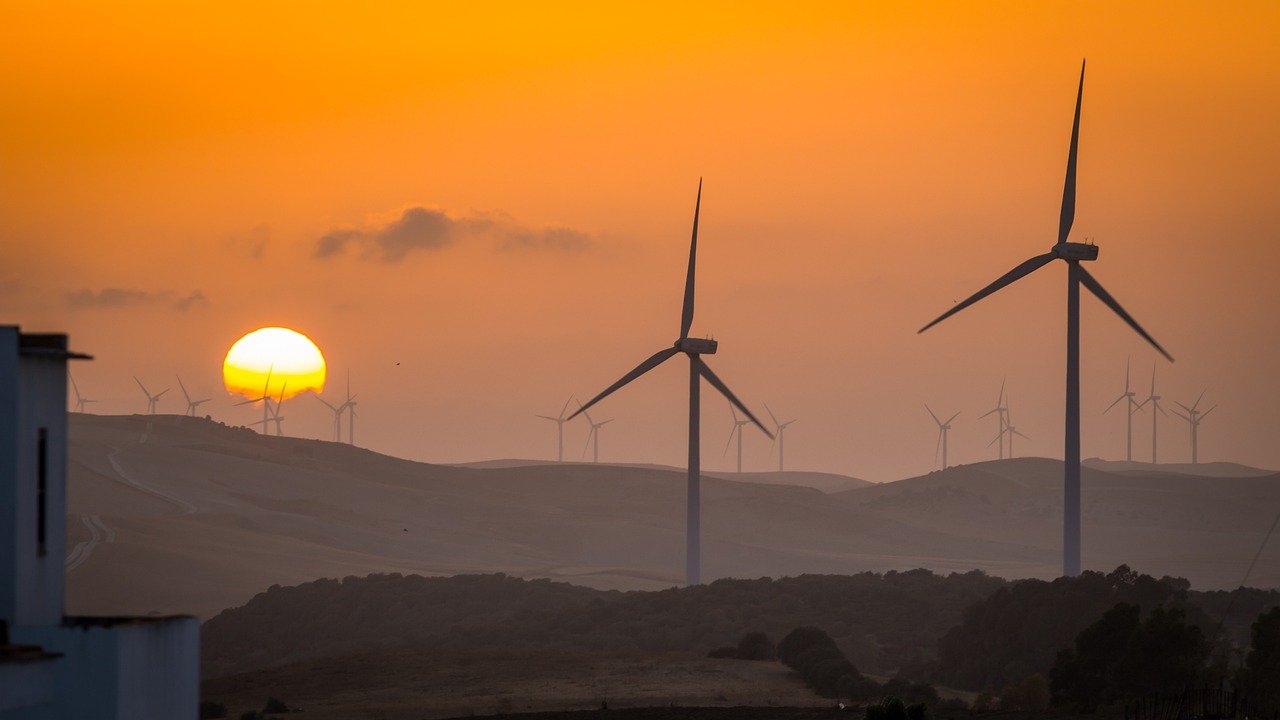
Energy Efficiency: High energy-efficient standards are paramount for these homes. Solar panels, wind turbines, and geothermal heating are common installations. Energy-efficient appliances not only lower utility costs but also reduce carbon footprints, making these homes desirable among eco-conscious consumers.
-
Water Conservation: Properties often incorporate rainwater harvesting systems and greywater recycling techniques. Innovative plumbing solutions and low-flow fixtures contribute to significant water savings, essential for island ecosystems where water scarcity can be an issue.
-
Indigenous Landscaping: Eco-friendly landscapes use native plants that require less water and maintenance. This not only enhances biodiversity but also supports the local ecosystem. Xeriscaping techniques are increasingly popular, creating beautiful, low-water gardens that blend seamlessly with the island environment.
-
Smart Technologies: The integration of smart home technologies improves both energy efficiency and user convenience. Home automation systems allow residents to monitor and control energy usage effectively. Smart irrigation systems optimize water use in landscaping, ensuring that plants receive just the right amount without excess waste.
Market Trends Influencing Eco-Friendly Island Properties
The growing environmental consciousness among consumers is shaping the demand for eco-friendly island properties. Several market trends are steering this shift:
-
Millennial Influence: Millennials, who prioritize sustainability over materialism, are stepping into the real estate market. Their preference for eco-friendly homes is pushing developers to innovate and create properties that align with their values.
-
Government Incentives: Many governments offer tax incentives and rebates for building green. These initiatives encourage developers and homeowners to invest in sustainable practices, making eco-friendly island properties more financially viable.
-
Luxury and Sustainability: The notion that luxury and sustainability are mutually exclusive is fading. High-end eco-friendly properties boast luxurious amenities while remaining environmentally responsible. This trend is prevalent among investors looking to combine lavish living with eco-consciousness.
-
Health and Well-Being: Homeowners are increasingly focusing on health and well-being, with a shift toward properties that promote better living conditions. Features such as improved indoor air quality, natural lighting, and access to green spaces contribute to holistic living, making eco-friendly homes more attractive.
-
Remote Working Trends: The rise of remote work, accelerated by the COVID-19 pandemic, has led to increased interest in idyllic island living. People seeking to escape crowded urban centers are turning to eco-friendly homes on islands for a balanced lifestyle that prioritizes both comfort and sustainability.
Challenges Facing Eco-Friendly Island Properties
While the trend toward eco-friendly island properties is promising, several challenges hinder widespread adoption:
-
Initial Costs: The initial investment for eco-friendly construction can be higher than traditional methods. Sustainable materials and technologies often come at a premium. However, it’s essential to consider long-term savings on energy and maintenance when evaluating these costs.
-
Zoning and Regulations: Building regulations can be stringent on islands, especially regarding environmental protection. Developers may face hurdles navigating these regulations, which can delay projects and inflate costs.
-
Supply Chain Hurdles: Sourcing sustainable materials can sometimes be challenging, especially on remote islands. Logistics and transportation can add complexity and costs, leading developers to seek innovative solutions.
-
Market Education: There remains a need for education around the benefits of eco-friendly properties. Consumers unfamiliar with sustainable living may overlook these properties in favor of traditional options.
Future Innovations in Eco-Friendly Island Real Estate
As the demand for eco-friendly island properties continues to rise, innovative solutions will emerge:
-
Modular and Prefabricated Homes: Advances in modular construction offer faster, cost-effective methods for creating eco-friendly homes. These homes can be easily shipped and assembled on site, minimizing waste and disruption.
-
Biodome Living: Future developments might incorporate biodomes featuring controlled environments to grow food year-round. This concept promotes self-sufficiency and resilience against climate impacts.
-
Vertical Gardens: Sky-high gardens on terraces or balconies are becoming popular. These not only enhance aesthetics but also improve air quality and provide local food sources.
-
Advanced Environmental Consultations: Developers may increasingly partner with environmental scientists to create properties that respect the ecology of their locations. This cooperative approach will ensure that developments benefit both the inhabitants and the ecosystems.
-
Blockchain and Sustainability: The integration of blockchain technology can enhance transparency in sustainable real estate developments. Buyers could verify the sustainability claims of properties through smart contracts, ensuring accountability.
The Role of Eco-Tourism in Island Property Development
Coastal and island properties can benefit greatly from the interconnected rise of eco-tourism. As travelers become more environmentally conscious, their preferences shift toward eco-friendly lodgings.
-
Boosting Local Economies: Properties that align with eco-tourism ideals can bring additional revenue to local communities, creating jobs and supporting conservation projects.
-
Cultural Preservation: Eco-friendly properties often incorporate local materials and designs, promoting regional architecture and traditions while preserving culture.
-
Community Involvement: Many developers are involving local communities in the planning process, ensuring that property development meets the needs of residents and complements the local environment.
Key Takeaways
The rise of eco-friendly island properties represents a significant shift in real estate trends, driven by sustainability, technological advancements, and changing buyer priorities. As environmental awareness grows and innovative solutions emerge, the real estate landscape is poised for transformation. With the right strategies and initiatives, eco-friendly island homes can lead the way in harmonizing luxurious living with responsible stewardship of the planet.
