
The shift toward eco-friendly homes in Oregon is indicative of a broader trend across the United States, emphasizing sustainability, energy efficiency, and environmental stewardship. As a state forged by a commitment to environmental responsibility, Oregon has become synonymous with innovative green building practices and a culture that values eco-conscious living. This article delves into various aspects of this transformation, including motivations, trends, and resources available for homeowners and builders committed to eco-friendly practices in the state.
Understanding Eco-Friendly Homes
Eco-friendly homes, also known as sustainable or green homes, are designed with efficiency and sustainability in mind. They often incorporate a range of features aimed at minimizing environmental impact, including improved energy efficiency, sustainable materials, and renewable energy sources. In Oregon, eco-friendly homes often emphasize the use of locally sourced materials, minimizing the carbon footprint associated with transportation.
The Motivation Behind the Trend
The motivation for the shift toward eco-friendly homes in Oregon is rooted in several factors:
-
Environmental Awareness: Residents are increasingly aware of climate change and its impacts. This consciousness has spurred interest in reducing energy consumption and living in ways that are harmonious with nature.
-
Incentives and Legislation: Programs like the Oregon Department of Energy’s Energy Incentive Program offer financial incentives for homeowners to implement energy-efficient upgrades, such as solar panels, high-efficiency heating systems, and better insulation.
-
Rising Energy Costs: As energy prices continue to rise, the long-term savings associated with eco-friendly home features make these investments more attractive. Homeowners are increasingly seeking ways to have more control over their energy bills.
-
Health Benefits: Eco-friendly homes are often healthier living spaces. Utilizing non-toxic building materials and ensuring better indoor air quality are significant selling points for many homebuyers.
Key Features of Eco-Friendly Homes
Oregon’s eco-friendly homes exhibit a variety of defining features:
-
Energy Efficiency: Designed with energy-efficient appliances, lighting, and HVAC systems, these homes often seek to exceed standard building codes. The use of LED lighting and ENERGY STAR-rated appliances reduces household energy consumption substantially.
-
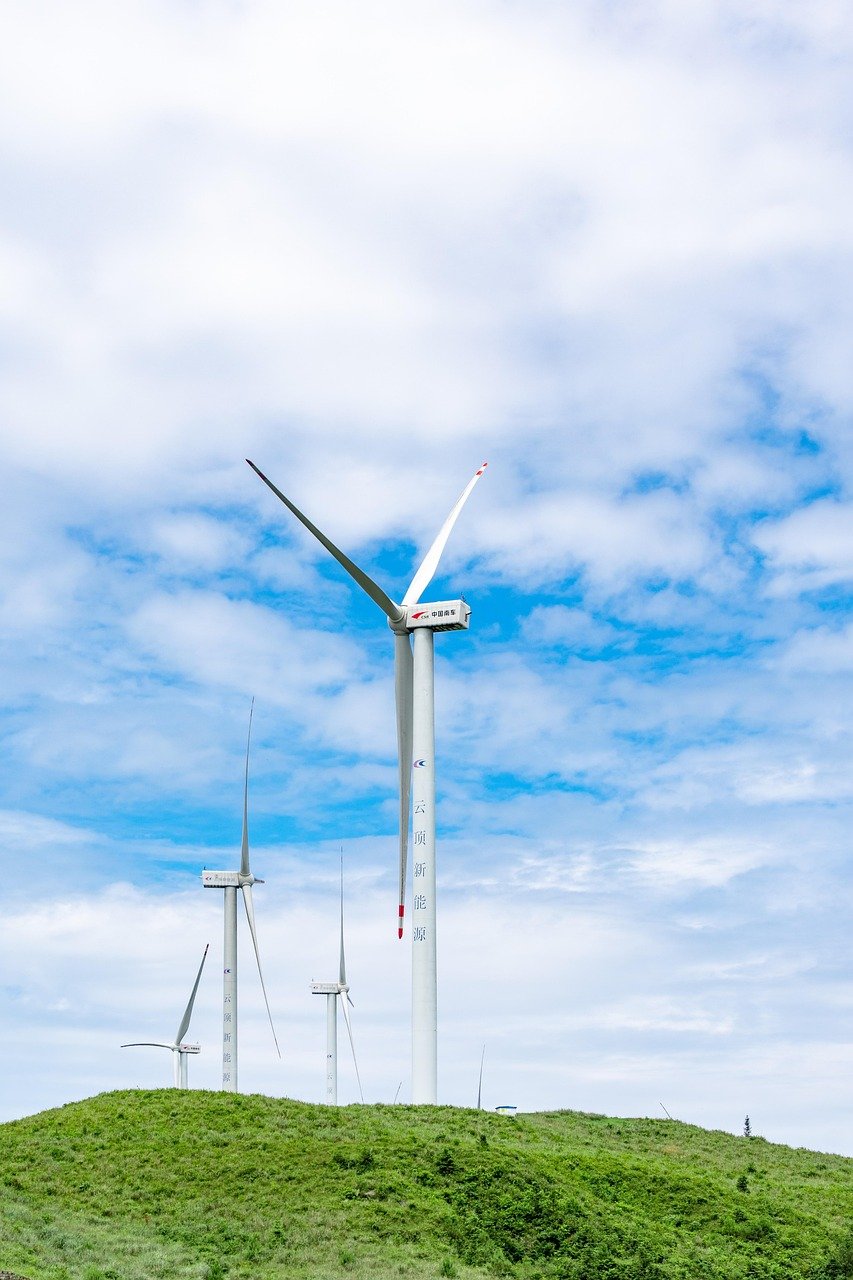
Renewable Energy Sources: Many eco-friendly homes in Oregon incorporate photovoltaic solar panels, wind turbines, or geothermal heating. These renewable energy sources not only lower energy costs but also contribute to a more sustainable grid.
-
Water Conservation: Rainwater harvesting systems, permeable paving, and low-flow fixtures are commonly integrated into eco-friendly homes to conserve water, an essential resource in Oregon’s diverse climates.
-
Sustainable Landscaping: Native plants, xeriscaping, and rain gardens promote biodiversity and minimize water usage, creating a home environment that complements the local ecosystem.
The Role of Local Builders and Architects
Local builders and architects play a pivotal role in the eco-friendly home movement throughout Oregon:
-
Collaborative Approach: Many builders adopt a collaborative approach, working closely with homeowners to ensure their designs reflect both aesthetic preferences and sustainable features. This partnership often includes educating homeowners on best practices in energy efficiency.
-
Green Certifications: Oregon boasts numerous builders certified by the National Association of Home Builders (NAHB) and the U.S. Green Building Council (USGBC). These certifications help homeowners trust that they are investing in high-quality, sustainable homes.
-
Innovative Practices: The region is home to cutting-edge sustainable building techniques. Companies are exploring innovations in materials, such as using hempcrete, recycled steel, or reclaimed wood, to further decrease environmental impacts.
Resources for Homeowners
For residents interested in moving toward more eco-friendly homes, Oregon has numerous resources available:
-
Oregon Department of Energy: The state agency offers information on energy efficiency programs, local events, and resources for sustainable living. Their website also lists guides on energy audits and rebates available for improving home efficiency.
-
Energy Trust of Oregon: This non-profit organization provides financial incentives, cash back opportunities, and educational resources focused on energy efficiency. They support residential and commercial projects, making green upgrades accessible.
-
Local Workshops and Community Education: Many non-profits and local organizations offer workshops on sustainable living techniques, building practices, and energy efficiency. Events and seminars can help homeowners understand the potential for eco-friendly upgrades.
Challenges to Eco-Friendly Home Adoption
Despite the growing interest in eco-friendly homes, several challenges remain:
-
Upfront Costs: While many green upgrades save money in the long term, the initial investment can be daunting. Educating homeowners on financing options and long-term savings is crucial.
-
Builder Education: Not all builders are familiar with sustainable practices. Training and certifications can help elevate the overall quality and acceptance of eco-friendly building methods among contractors.
-
Zoning and Regulations: Some zoning laws and building codes can be barriers to innovative eco-friendly designs. Advocating for policy changes can help promote a more favorable environment for sustainable housing.
Community Engagement
Communities across Oregon are often engaged in discussions on eco-friendly living, resulting in an increase in community-led initiatives:
-
Green Building Forums: Many cities host forums that bring together residents, builders, and environmental activists to discuss issues, share ideas, and promote sustainable practices.
-
Neighborhood Sustainability Programs: Local residents often band together to create sustainability programs within neighborhoods. Initiatives such as community gardens, shared solar arrays, or group purchasing to lower costs for solar installations emerge from these efforts.
-
Public Awareness Campaigns: Local governments and organizations often collaborate to raise awareness about energy conservation practices, recycling programs, and sustainable transportation options.
Conclusion
The shift toward eco-friendly homes in Oregon is a multifaceted movement driven by a commitment to sustainability, rising energy costs, and health consciousness among homeowners. With numerous resources available and a community willing to embrace change, the future of eco-friendly homes in Oregon is promising. Oregon not only leads the way in sustainable living but also serves as a model for other regions to follow, demonstrating that the movement toward green living is both feasible and beneficial for generations to come.
