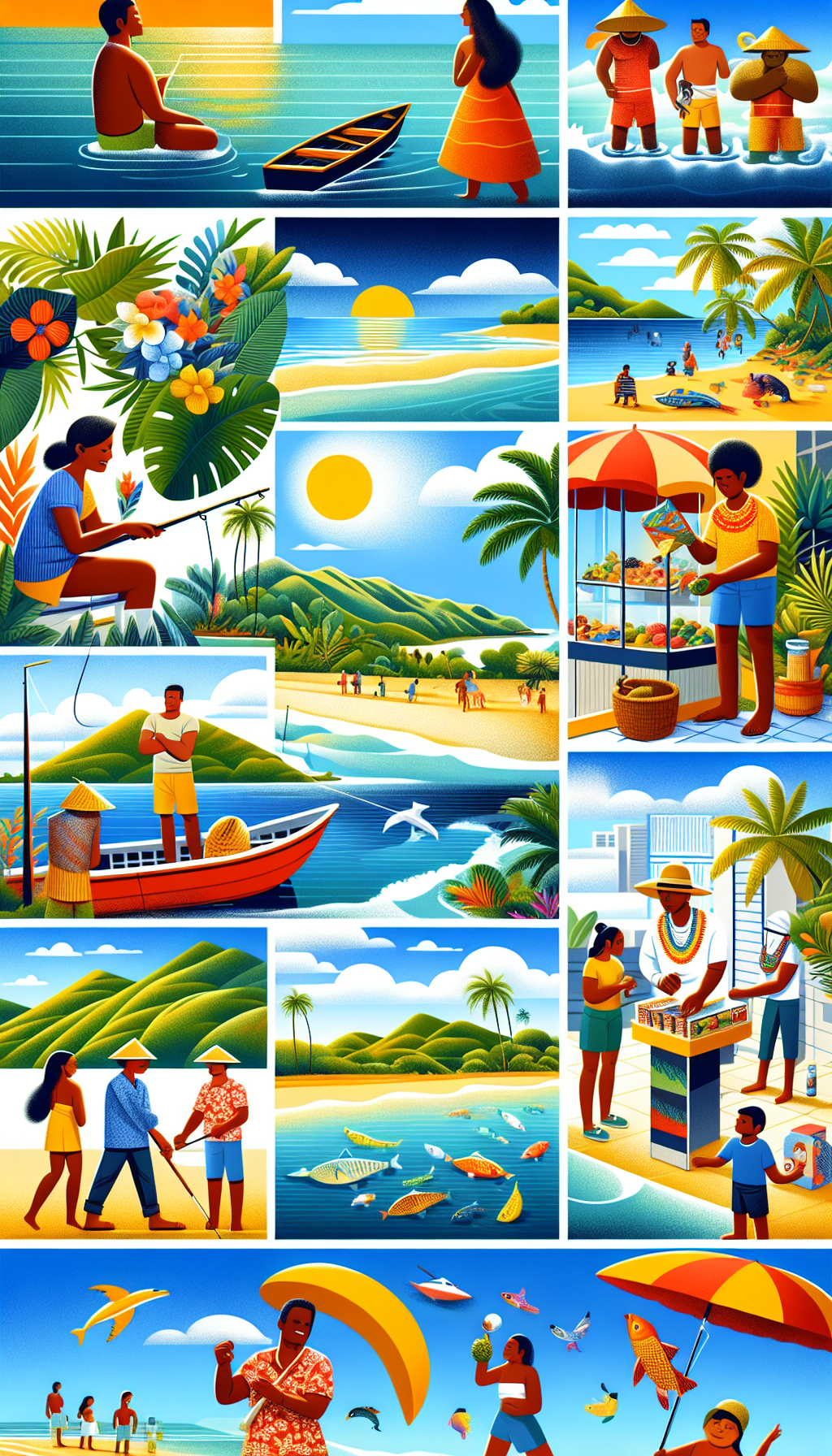

Tropical living on U.S. islands showcases a unique blend of culture, lifestyle, and environment. From the lush landscapes of Hawaii to the vibrant communities of Puerto Rico and the U.S. Virgin Islands, the lifestyle in these regions is profoundly shaped by cultural traditions, social dynamics, and the surrounding ecosystem. Understanding the various facets of tropical living reveals how cultural influences shape daily life, from family structures and cuisine to art and communal events.
### Family and Community Dynamics
In tropical island communities, family often serves as the cornerstone of society. Extended families frequently live in close proximity, fostering strong familial ties and social support networks. In these cultures, respect for elders is deeply ingrained, and communal decisions are often made in consultation with family members. This contrasts sharply with the more individualistic nature of mainland U.S. culture.
Traditionally, many island communities prioritize collective well-being over personal interests. Events such as neighborhood fiestas or community beach clean-ups are common, reflecting the importance of togetherness and shared responsibility. In places like Puerto Rico, vibrant street festivals celebrate cultural heritage, drawing families out to enjoy music, dance, and local cuisine together.
### Cuisine as Cultural Identity
Cuisine serves as a significant cultural marker in tropical islands, where culinary traditions reflect a fusion of indigenous, African, Spanish, and American influences. Each island’s cuisine tells a story about its history and the people who inhabit it.
In Hawaii, poke bowls and loco moco are staples that highlight the islands’ fresh seafood and local agriculture. The use of taro, a crop deeply rooted in Hawaiian culture, underscores the connection to the land. Similarly, Puerto Rican dishes like mofongo and arroz con gandules are celebrated for their rich flavors and cultural significance. Traditional cooking methods, often passed down through generations, cultivate a strong sense of identity and community.
Food not only acts as sustenance but also provides opportunities for family gatherings and communal celebrations. Whether it’s a luau in Hawaii or a holiday feast in Puerto Rico, the act of sharing food reinforces social bonds.
### Artistic Expression and Cultural Heritage
Artistic expression thrives in tropical islands, as creativity is closely linked to cultural identity. In many U.S. islands, art reflects historical influences and modern realities, serving as a medium for storytelling and community engagement. From intricate wood carvings in Hawaiian culture to vibrant murals in San Juan, the artistic landscape is diverse and rich.
Hula dance in Hawaii, for instance, is not merely entertainment; it is a form of storytelling that conveys history and mythology through movement. Similarly, bomba and plena music in Puerto Rico encapsulates the island’s African heritage, providing a rhythmic backdrop for celebrations and everyday life.
Art is also used to preserve culture and educate younger generations about their heritage. Craft fairs and community workshops are common, allowing residents to learn traditional skills while fostering a sense of pride and continuity within the community.
### Nature and Sustainable Living
The natural environment plays a pivotal role in shaping daily life on U.S. islands. The abundance of flora and fauna, with scenic beaches and volcanic landscapes, creates a lifestyle that emphasizes outdoor activities and sustainable practices. Many islanders are inherently connected to their land and sea resources, leading to a culture of environmental stewardship.
In Hawaii, for example, traditional practices like loko iʻa (fishponds) exemplify sustainable fishing methods that have been used for centuries. Locals respect marine life, valuing practices that ensure ecological balance. Similarly, Puerto Ricans engage in agritourism, showcasing local farms and produce while promoting sustainability.
Outdoor activities like surfing, snorkeling, and hiking are integral to island life. They not only provide recreation but also foster a connection to nature, making environmental awareness a fundamental aspect of daily living.
### Festivals and Traditions
Festivals are vibrant expressions of culture on U.S. islands and serve as key moments where community bonds are strengthened. Each island offers unique celebrations that honor cultural heritage and foster a sense of unity.
The Merrie Monarch Festival in Hawaii, for instance, celebrates Hawaiian hula and features competitions, food stalls, and cultural showcases. It emphasizes the revival and preservation of traditional arts and crafts while drawing both locals and tourists alike. Likewise, the San Sebastián Street Festival in Puerto Rico fills the streets with music, parades, and traditional food, reflecting the island’s rich history and communal spirit.
These festivals typically involve extensive planning and participation, encouraging collaboration among diverse community members. They foster pride in local culture while promoting tourism and economic growth.
### Language and Communication
Language plays a key role in cultural expression and daily interactions on U.S. islands. English is the primary language in most territories, but regional dialects and indigenous languages add depth to communication. For instance, Hawaiian Pidgin, a creole language, incorporates elements from various languages and reflects the multicultural influences in Hawaii.
In Puerto Rico, Spanish dominates, yet many residents are bilingual. This linguistic diversity enriches social interactions and preserves cultural identities. The choice of language in different contexts illustrates the blending of cultures, highlighting the social dynamics unique to these islands.
### Healthcare and Traditional Practices
Healthcare practices often combine modern medicine with traditional healing methods rooted in cultural beliefs. This hybrid approach is common across U.S. islands, reflecting a respect for historical practices while incorporating contemporary healthcare advancements.
In Hawaii, local healers known as kahunas play a vital role in community health through holistic approaches that consider the physical and spiritual well-being of individuals. Similarly, Puerto Rican traditions may include herbal remedies and family wisdom that guide health decisions, fostering a sense of community care.
Such practices illustrate the deep connection between cultural beliefs and health, emphasizing a collective approach to well-being rather than merely an individualistic view.
### Education and Cultural Awareness
Education in U.S. island territories often emphasizes cultural awareness and respect for diversity. Schools incorporate local history, language, and traditions into lesson plans, ensuring that students grow up with a strong sense of identity and belonging.
Programs focusing on environmental education also flourish, teaching children about the ecological significance of their surroundings and sustainable practices. This indoctrination in cultural history ensures that younger generations remain connected to their heritage while cultivating pride and responsibility for their communities.
### Conclusion
The daily life of U.S. island residents is intricately woven with the rich tapestry of cultural influences that shape their identities. Family ties, culinary traditions, artistic expression, and a profound connection to nature all play pivotal roles in defining the experience of living in these vibrant communities. Through the lens of culture, we can appreciate how islanders navigate life, celebrate traditions, and foster a deep sense of belonging in their tropical paradise.
