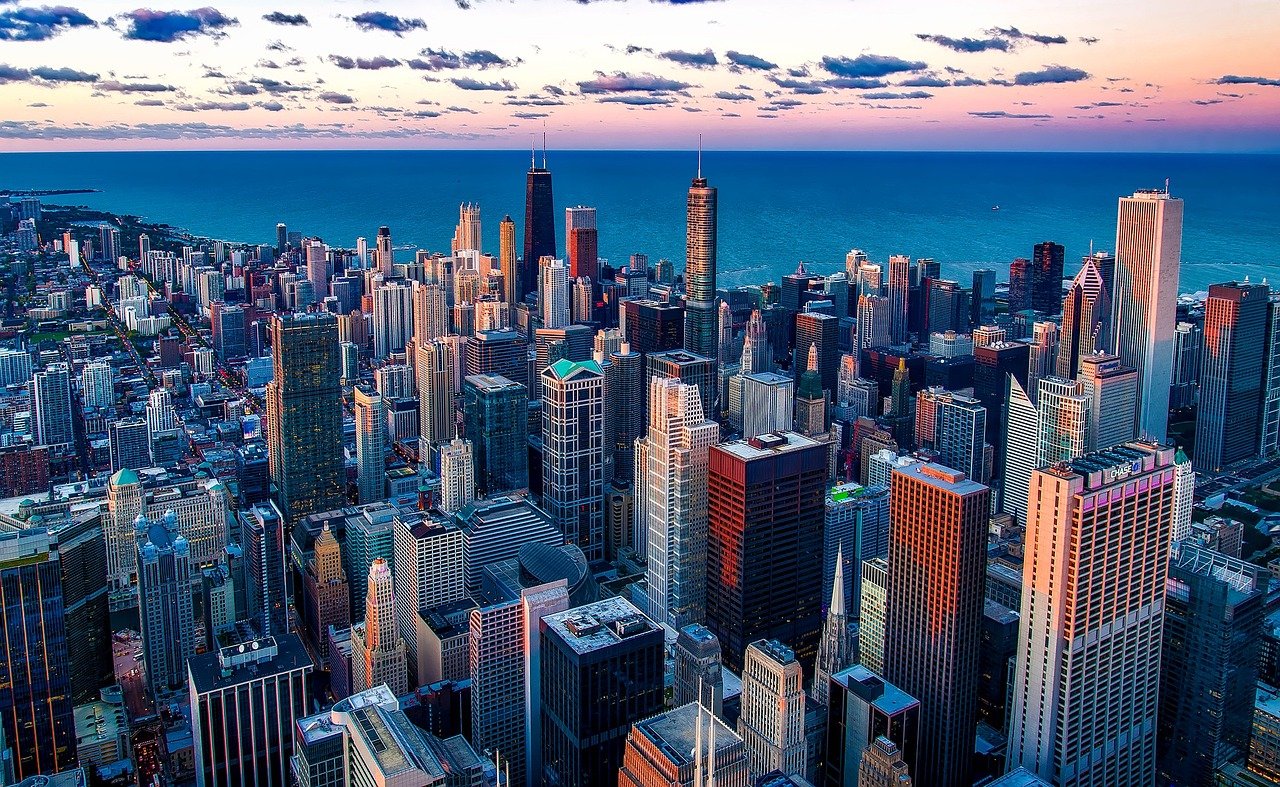

Urban Density: Defining and Understanding the Concept
Urban density refers to the concentration of people inhabiting a specific urban area, typically measured in terms of population per square mile or per square kilometer. Various factors contribute to urban density, including geographical constraints, economic opportunities, and cultural dynamics. High-density areas often feature a mix of residential, commercial, and public spaces, creating a vibrant urban fabric.
Historical Context of Urban Density
Historically, urban areas with high densities form around key trade routes, ports, and centers of governance. Ancient civilizations, such as those in Mesopotamia and the Indus Valley, developed complex societies that created dense urban settlements for trade and defense. The advent of the industrial revolution in the 19th century significantly intensified urbanization, leading to crowded tenements and rapid urban sprawl. Understanding the history of urban density can provide insights into its current implications for residential architecture.
The Benefits of High Urban Density
High urban density presents numerous benefits, including efficient public transportation systems, reduced reliance on personal vehicles, and enhanced access to amenities and services. Higher density promotes walkability, fostering a sense of community and engagement. Additionally, dense urban environments are associated with lower energy consumption and smaller carbon footprints, aligning with sustainability goals.
Economic Vibrancy
High-density areas often stimulate economic growth. With more people residing in close proximity, businesses benefit from a concentrated customer base. Urban density encourages entrepreneurs to establish cafes, shops, and services tailored to local residents. Retail outlets thrive in such environments, leveraging foot traffic and fostering a sense of neighborhood.
Architectural Adaptations in Response to Urban Density
As urban areas grow denser, residential architecture evolves to accommodate the changing needs of the populace. Architects and urban planners must consider various factors, including spatial efficiency, environmental sustainability, and the cultural context of the community.
Vertical Living Solutions
One prominent architectural response to urban density is the rise of skyscrapers and high-rise residential buildings. These structures maximize available land by building upward, providing housing for many residents without requiring extensive land use. High-rises often incorporate mixed-use elements, featuring retail or commercial space on the lower floors, enhancing urban vibrancy.
Compact Housing Types
In many urban centers, innovative housing solutions, such as micro-apartments and co-housing arrangements, have emerged. Micro-apartments, typically ranging from 200 to 400 square feet, cater to individuals seeking affordable living spaces in densely populated areas. Co-housing communities promote shared living environments and facilities, encouraging interaction and community bonds among residents.
Adaptive Reuse and Historical Preservation
Urban density often necessitates the adaptive reuse of existing structures. Architects are increasingly repurposing historic buildings into residential spaces, preserving cultural heritage while addressing housing shortages. This practice not only adds character to neighborhoods but also reduces the environmental impact of new construction, central to sustainable urban development.
Challenges of High Urban Density
While urban density has numerous benefits, it also presents significant challenges. Increased population concentrations can strain infrastructure, elevate housing costs, and generate social tensions.
Affordability Crisis
Affordability remains a pressing issue in high-density urban areas. The influx of new residents can drive up property values, pushing lower-income families out of the market. As demand for housing increases, local governments must balance the need for development with the preservation of affordable housing options.
Infrastructure Overload
As cities densify, the demand for infrastructure—such as water, sanitation, and transportation—grows. Inadequate infrastructure can lead to congestion, environmental degradation, and decreased quality of life. Civic planners must design robust systems capable of supporting higher populations, making strategic investments that enhance resilience and efficiency.
Environmental Considerations
Sustainable design is increasingly critical as urban density rises. Architects are tasked with creating buildings that minimize their environmental footprint and contribute positively to the urban ecosystem.
Green Building Practices
Incorporating green building practices, such as energy-efficient systems, sustainable materials, and biophilic design, plays a vital role in contemporary residential architecture. High-density buildings can leverage solar panels, green roofs, and rainwater harvesting systems to promote sustainability while optimizing resource usage.
Urban Green Spaces
The inclusion of green spaces in dense urban areas is vital for promoting public health and biodiversity. Parks, community gardens, and green corridors can enhance urban livability. Architects and urban planners are redefining residential design to integrate these spaces, creating a balance between built environments and nature.
Social Implications of Urban Density
Urban density shapes social interactions, creating opportunities and challenges for community cohesion. The architectural design of residential spaces can foster relationships among residents, promoting inclusivity and participation.
Designing for Community
Mixed-use developments encourage a blend of residential and commercial spaces, fostering social interactions. Modern urban design emphasizes communal areas, such as shared gardens and rooftop terraces, where residents can gather and engage with one another.
Accessibility and Inclusivity
Residential architecture in high-density areas must also consider inclusivity. Designing spaces that are accessible to individuals of all ages and abilities is essential. This includes elevators in multi-story buildings, wheelchair-accessible entrances, and the provision of amenities that accommodate diverse community needs.
Future Trends in Urban Density and Architecture
The evolution of urban density and its architectural responses will continue to adapt to changing demographics, technological advancements, and environmental imperatives. Emerging trends will likely reshape both residential architecture and urban living.
Technological Integration
Smart building technologies are beginning to play a significant role in urban architecture. Integrating IoT devices in residential buildings can enhance energy efficiency, improve security, and streamline communication among residents. This smart technology has the potential to transform high-density living by creating more responsive, efficient environments.
Resilient Design
Climate resilience is becoming a priority in architectural design as urban areas face the impacts of climate change. Residential buildings in dense environments will need to prioritize features that withstand extreme weather, such as flooding or heatwaves. Architects will focus on creating adaptive designs, ensuring that communities are equipped to handle future environmental challenges.
Shifted Demographics
As more people migrate to urban centers, driven by job opportunities and lifestyle preferences, the demographic landscape is shifting. Understanding the diverse needs of urban populations will necessitate adaptive residential designs. Mixed-income housing, family-friendly layouts, and age-inclusive spaces will become increasingly vital as cities strive to create equitable environments for all residents.
Conclusion
Urban density profoundly influences both the fabric of city life and the intricacies of residential architecture. As cities evolve, architects, urban planners, and policymakers must work collaboratively to design spaces that meet the needs of communities, balancing the benefits of density with potential challenges. In doing so, they can contribute to creating sustainable, vibrant, and inclusive urban environments that enhance the quality of life for all citizens.
