
Urban Jungle: Incorporating Green Spaces in Apartment Complexes
The rapid urbanization of cities has transformed residential landscapes, often at the expense of green spaces. As populations swell and cities grow, integrating nature into apartment complexes has emerged as a necessary design trend, offering benefits that extend beyond aesthetic value. This article delves into the concept of an “Urban Jungle,” exploring how the strategic incorporation of green spaces in apartment complexes enhances urban living.
The Importance of Green Spaces in Urban Settings
Urban green spaces, which include parks, gardens, and green roofs, serve multiple purposes. First and foremost, they provide essential environmental benefits. Trees and plants improve air quality, reduce urban heat, and support biodiversity. In densely populated areas, where concrete dominates the landscape, these natural pockets are vital for cooling the environment and absorbing carbon dioxide.
Additionally, green spaces promote physical and mental well-being. Studies have shown that access to nature correlates with lower stress levels, improved moods, and higher overall life satisfaction. Apartment complexes that incorporate gardens and green areas help foster a community atmosphere, encouraging social interactions among residents.
Design Strategies for Integrating Greenery
When planning to incorporate green spaces in apartment complexes, several design strategies can be employed.
1. Vertical Gardens:
Vertical gardens utilize wall spaces, allowing for the integration of greenery where horizontal space is limited. These installations can be aesthetically pleasing while improving insulation and air quality. They can be tailored to fit different architectural styles, resulting in a lush, cascading effect that enhances the building’s facade.
2. Rooftop Gardens:
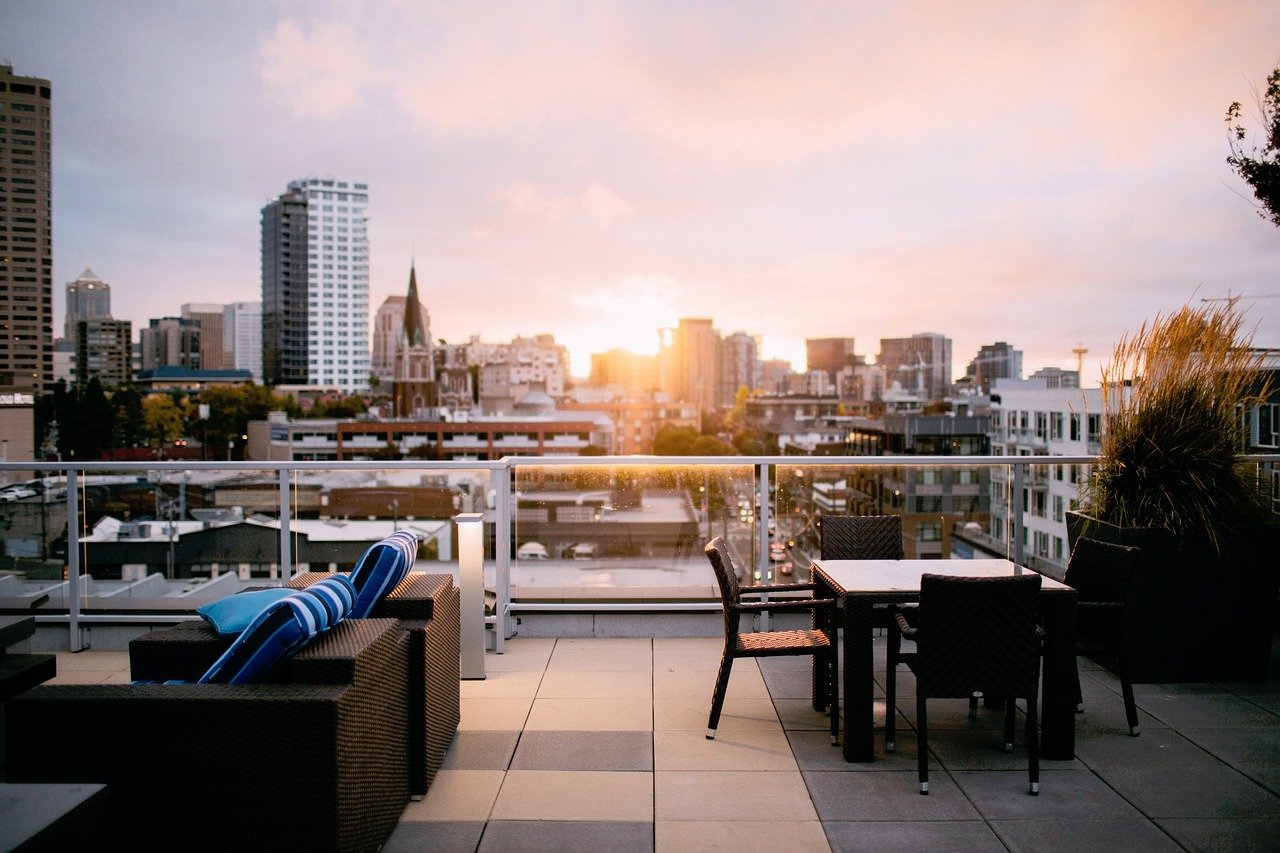
Rooftops offer an underutilized area ripe for transformation into an urban oasis. A rooftop garden can serve multiple functions: it provides a recreational space for residents, promotes community gardening, and reduces stormwater runoff. By selecting native plants and sustainable landscaping practices, rooftop gardens can also support local pollinators.
3. Atriums and Courtyards:
Incorporating internal courtyards or atriums fosters a sense of tranquility within apartment complexes. These green spaces can be designed with seating areas, pathways, and water features, encouraging residents to gather and relax. Visibility from common living areas enhances the connection between indoor and outdoor spaces, inviting nature into everyday life.
4. Biophilic Design:
Biophilic design principles emphasize reconnecting people with nature. Incorporating natural materials, maximizing natural light, and including water elements can enhance the living experience. Ensuring that every apartment has a view of green spaces bolsters this connection, making residents feel more grounded and engaged with their environment.
Selecting the Right Plants
Choosing the right plants is crucial for creating functional and sustainable green spaces. Native and drought-resistant plants are ideal for urban environments, as they require less maintenance and are better adapted to local climates.
Incorporating a variety of plants—including trees, shrubs, and seasonal flowers—promotes biodiversity and visual interest throughout the year. Additionally, edible landscaping, featuring herbs and fruit-bearing plants, can enhance community engagement, encouraging residents to participate in gardening activities.
Community Engagement and Sustainability
Effective communication with residents is vital in designing these green spaces. Workshops, surveys, or discussion forums can provide insight into the community’s desires and needs. Engaging residents in the design process fosters a sense of ownership, ensuring the spaces are well-utilized and treasured.
Moreover, employing sustainable practices in the development and maintenance of these areas is essential. Utilizing rainwater harvesting systems, composting organic waste, and implementing organic landscaping techniques supports ecological balance and reduces environmental impact.
Benefits for Property Value
Incorporating green spaces into apartment complexes not only offers immediate benefits for the residents but can significantly increase the property value. Properties with green spaces attract potential buyers and renters, often commanding higher prices. The presence of lush gardens and thoughtfully designed outdoor areas creates a desirable living environment, enhancing the overall appeal of the complex.
Case Studies: Successful Implementations
1. The High Line, New York City:
Originally an abandoned elevated railway, the High Line has been transformed into a 1.45-mile urban park featuring native plants and artistic installations. Its success demonstrates how repurposing underutilized areas can create vibrant community spaces and increase surrounding property values. This model serves as an inspiration for similar projects worldwide.
2. Bosco Verticale, Milan:
This residential complex incorporates extensive vertical gardens, with over 9,000 plants and 20,000 shrubs on its balconies and terraces. The design not only enhances the aesthetic appeal but also improves air quality and biodiversity in an urban setting.
3. Eden Project, Cornwall:
While not an apartment complex, the Eden Project showcases how incorporating extensive gardens can transform the identity of a place. Its biomes host diverse plants and demonstrate the power of green spaces in promoting sustainability and education in urban development.
Future Trends in Urban Green Spaces
The trends towards urban greening are likely to evolve with advancements in technology and environmental awareness. Innovations in sustainable urban design, such as smart irrigation systems and energy-efficient lighting for outdoor spaces, will enable apartment complexes to maintain lush greenery easily.
Additionally, there will likely be an increased focus on community-based projects that prioritize wellness and environmental education. As architects and urban planners continue to recognize the importance of integrating nature into urban settings, the concept of the Urban Jungle will become a standard practice in apartment complex design.
Conclusion: A Path Forward
Incorporating green spaces in apartment complexes is no longer merely a luxury; it has become a necessity in the pursuit of sustainable urban living. As demand for more holistic, community-oriented environments rises, the vision of urban jungles will forge a path toward greener, healthier cities. This shift not only elevates living standards but also fosters a more profound connection between residents and their natural surroundings.
