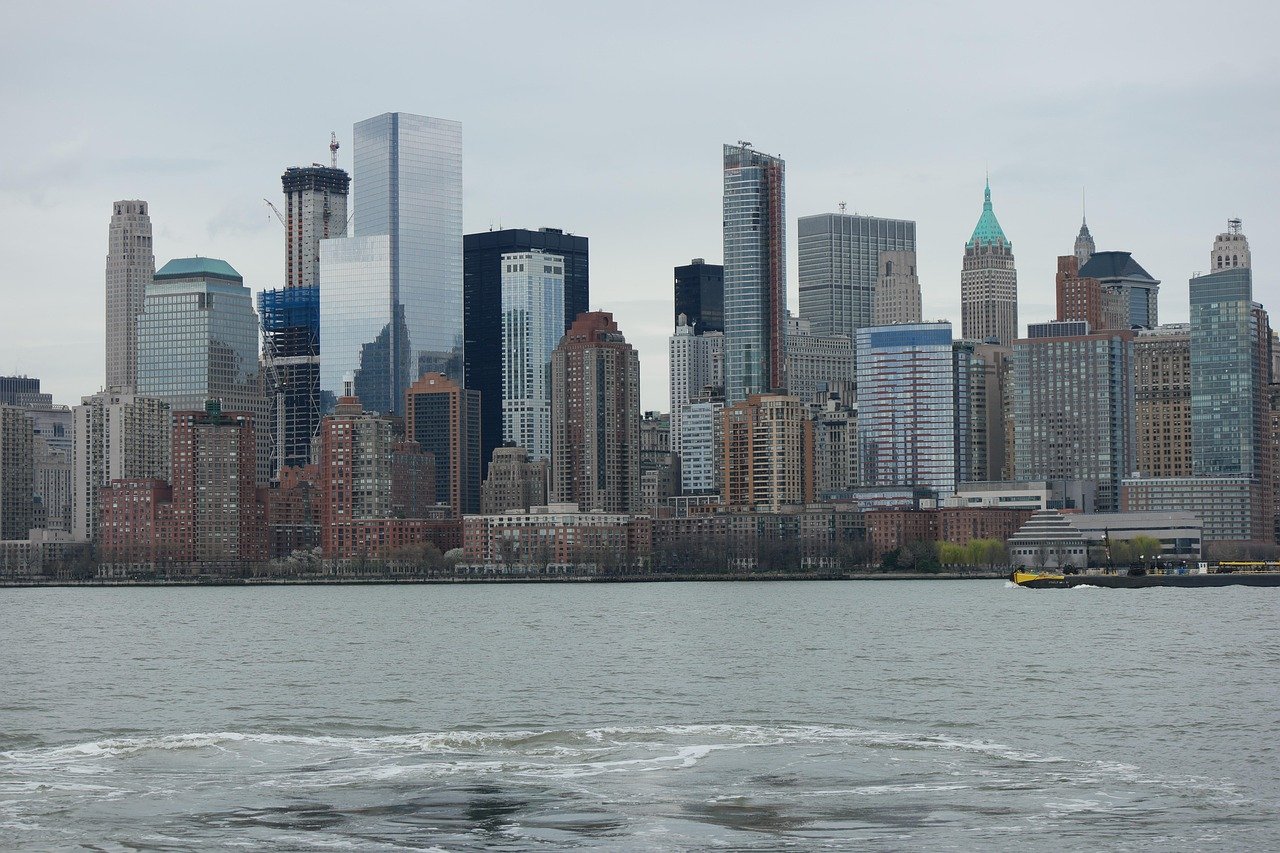

Urban redevelopment refers to the process of revitalizing underdeveloped or declining urban areas through a comprehensive approach to land use, infrastructure, and real estate investment. As cities across the globe strive for sustainability and economic growth, major players in the property market are making bold moves in property acquisition, driven by evolving demographics, technology advancements, and increased efforts to combat urban sprawl.
Understanding Urban Redevelopment
Urban redevelopment involves various strategies to rejuvenate neglected areas, focusing on transforming residential, commercial, and industrial sectors. Key motivations include increasing property values, enhancing the quality of life for residents, and attracting businesses. These transformations often require collaboration between public and private sectors, community engagement, and significant investment.
Key Stakeholders in Urban Redevelopment
-
Government Entities: Local and regional authorities play a crucial role in urban redevelopment by enacting policies that encourage investment. They often provide tax incentives, grants, and zoning changes to stimulate redevelopment efforts.
-
Real Estate Developers: Private developers are at the forefront of urban redevelopment, acquiring strategically located properties. They often repurpose old buildings for new uses or construct modern facilities, creating mixed-use developments that support residential, commercial, and recreational needs.
-
Investors and Financial Institutions: Real estate investment trusts (REITs), private equity firms, and banks are critical in financing urban redevelopment initiatives. Their capital investments enable developers to undertake large projects that would be difficult to fund individually.
-
Community Organizations: Local community groups work to ensure that redevelopment aligns with residents’ needs and preserves the character of neighborhoods. They often provide a voice for community members during planning processes.
-
Architects and Urban Planners: These professionals design and strategize urban spaces, ensuring that redevelopment projects are aesthetically pleasing, functional, and environmentally sustainable. Their expertise is essential for successful project outcomes.
Trends Influencing Property Acquisition
The property acquisition landscape is ever-evolving, shaped by several trends that impact how major players approach urban redevelopment.
-
Sustainable Development: Increasing awareness of climate change has led to a shift towards sustainable building practices. Developers are acquiring properties with the intention of creating “green” spaces, incorporating renewable energy, and utilizing eco-friendly materials.
-
Smart Technology: Integration of technology in urban environments is becoming prevalent. Developers are seeking properties that can easily adopt smart technologies, such as connected devices, energy-efficient systems, and advanced infrastructure to enhance urban life.
-
Affordable Housing Initiatives: As urban areas become more attractive, the demand for affordable housing has surged. Many developers are focusing on acquiring properties to create inclusive communities that cater to diverse income levels.
-
Revitalization of Historic Areas: Investors are increasingly interested in redeveloping historic districts to preserve cultural heritage while modernizing facilities. These projects often receive public support and funding due to their social and economic benefits.
-
Changing Demographics: The shift towards urban living, especially among millennials and Gen Z, has increased demand for urban spaces that offer walkability, access to amenities, and vibrant community interactions. Developers are acquiring properties to create mixed-use projects that cater to these demands.
Case Studies of Bold Property Acquisitions
-
Hudson Yards, New York City: This massive redevelopment project transformed a disused rail yard into a thriving urban community. The project, led by related Companies and Oxford Properties Group, involved billions in investment, creating residential, office, and retail spaces. The bold acquisition of this prime property exemplified how strategic investments can reshape urban landscapes.
-
The 78, Chicago: Another ambitious project, The 78, involves the redevelopment of a former industrial site into a vibrant mixed-use neighborhood. Acquired by a consortium including Related Midwest, the area aims to accommodate residential units, green spaces, and amenities that enhance community interaction while addressing the city’s housing crisis.
-
Clyde’s Restaurant Group, Washington D.C.: This property acquisition is oriented towards revitalizing historical locations while maintaining cultural significance. As the group works to transform older buildings into contemporary dining experiences, their approach combines historical preservation with modern amenities.
Financial Implications
Urban redevelopment is not solely about physical transformation; it is also a significant financial undertaking. Investors are keen on the potential for substantial returns on investment. As urban property values rise, the financial implications of acquiring undervalued or distressed assets become apparent.
-
Capital Gains: By revitalizing properties, investors can capitalize on increased housing demand and business opportunities. Successful redevelopment projects often lead to significant property appreciation, creating profitable exit strategies.
-
Incentives and Grants: Many local governments offer incentives such as tax breaks, grants, and low-interest loans to encourage investment in redevelopment projects. These financial benefits can offset initial costs and increase feasibility.
-
Public-Private Partnerships: Increasingly, partnerships between city officials and private developers help to share risk and leverage public funding for infrastructure improvements, attracting additional private investment.
Challenges and Risk Factors
Despite the potential for significant rewards, urban redevelopment comes with inherent challenges that require careful navigation.
-
Regulatory Hurdles: Zoning laws and building codes can impede the acquisition and development process. Developers must engage with multiple stakeholders and navigate complex regulatory environments to ensure compliance.
-
Community Opposition: Redevelopment projects can face opposition from residents who fear displacement or loss of neighborhood character. Developers must engage with communities, address concerns, and build trust to mitigate resistance.
-
Economic Downturns: Fluctuations in the economy can impact property values and financing options. Developers often conduct thorough market analysis to anticipate risks and develop contingency plans.
-
Environmental Considerations: Urban redevelopment must also address environmental impacts, particularly in older industrial areas that may contain toxic materials. Thorough environmental assessments are crucial for project viability.
Conclusion
Urban redevelopment is a dynamic and complex process involving various stakeholders who make bold moves in property acquisition to shape the future of urban spaces. By understanding the trends, challenges, and financial implications, key players can create vibrant, sustainable environments that meet the needs of modern urban populations while enhancing economic growth. The interplay between innovative strategies and responsible development will continue to drive the evolution of urban landscapes in cities around the world.
