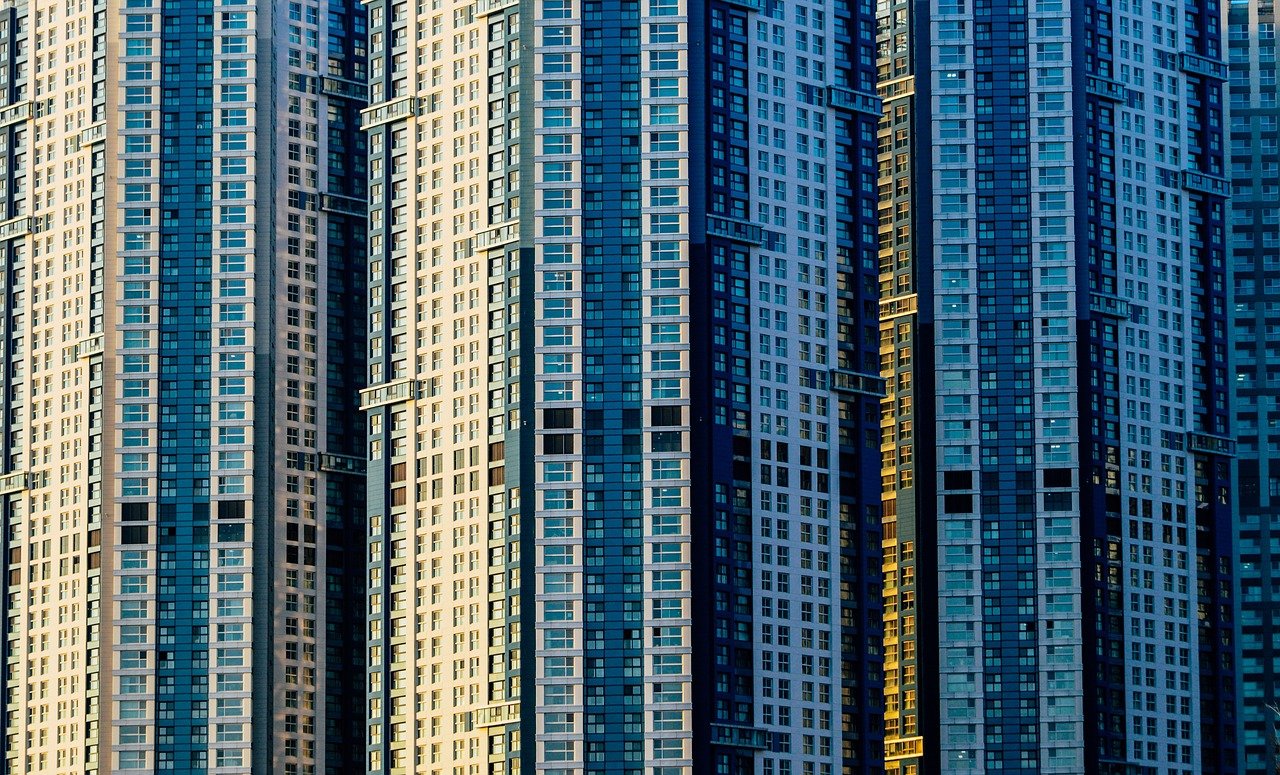

Urban Revitalization: Apartment Developments Transforming Downtown Areas
Urban revitalization refers to the process of renewing and improving underdeveloped or neglected urban areas. This process often includes the development of residential, commercial, and communal spaces. In recent years, apartment developments have emerged as a powerful force in transforming downtown areas across the globe. By addressing housing shortages, enhancing local economies, and fostering community engagement, these projects play a pivotal role in revitalizing urban neighborhoods.
The Need for Urban Revitalization
Many urban areas face challenges such as declining populations, outdated infrastructure, and economic stagnation. These issues are often exacerbated by a lack of investment, leading to crumbling buildings and diminished public services. Urban revitalization aims to tackle these challenges by introducing modern, sustainable developments that attract residents and businesses alike.
The Role of Apartment Developments
Apartment developments are at the forefront of urban revitalization. They provide much-needed housing options in densely populated areas while also contributing to local economies. These developments often feature amenities such as communal spaces, fitness centers, and green rooftops, appealing to a diverse range of residents including young professionals, families, and retirees.
- Affordability and Housing Needs
A principal benefit of apartment developments is their ability to provide affordable housing. Cities like San Francisco and New York City are continually grappling with high housing costs, creating significant barriers for middle-class families and essential workers. By incorporating affordable units into new developments, cities can mitigate these challenges. Developments like the Brooklyn Bridge Park Apartments have successfully integrated affordability with luxury, offering residents varied options without compromising quality.
- Economic Stimulus
Apartment developments invigorate local economies by creating jobs, enhancing property values, and generating tax revenues. The construction of new apartments necessitates a workforce, leading to job creation in both the short and long term. Additionally, as more residents move into revitalized downtown areas, local businesses such as cafes, shops, and cultural venues experience increased foot traffic, further stimulating economic growth.
- Community Engagement and Design
Modern urban developments often prioritize community engagement in their planning processes. Developers increasingly seek input from residents and local stakeholders to ensure their projects meet the needs of the community. This might involve holding town hall meetings, distributing surveys, or collaborating with local organizations. Community engagement not only helps create a sense of ownership among residents but also fosters a cohesive neighborhood identity.
Moreover, sustainable design practices are becoming crucial. For instance, the City of Vancouver’s East Fraserlands project incorporates eco-friendly construction methods, green spaces, and accessibility for pedestrians and cyclists. These design choices not only enhance the urban landscape but also promote healthy living.
- Revitalization of Historic Buildings
Many downtown areas boast historic buildings that are often underutilized. Urban revitalization projects frequently involve repurposing these structures, preserving their architectural heritage while providing modern amenities. This approach celebrates the character of urban landscapes, integrating the old with the new. A notable example is the adaptive reuse of the Allen-Bradley Clock Tower in Milwaukee, where apartments were constructed while preserving the building’s historical integrity.
- Mixed-Use Developments
Mixed-use developments combine residential, commercial, and recreational spaces into a single project, fostering vibrant urban environments. This design encourages residents to live, work, and play in the same area, reducing the need for long commutes and promoting a walkable lifestyle. Projects such as the 3030 Water Street mixed-use development in the New York City waterfront area exemplify this trend, featuring apartments above retail spaces and recreational areas.
Challenges in Urban Revitalization
While the benefits of apartment developments in urban revitalization are significant, challenges persist. Zoning laws, community opposition, and funding constraints can hinder projects. There may also be concerns about gentrification, where rising property values displace long-time residents. Navigating these challenges requires careful planning and a focus on inclusivity to ensure that revitalization efforts benefit all community members.
Successful Case Studies
Several cities provide exemplary models of how apartment developments can drive urban revitalization:
-
Los Angeles: The Arts District, once primarily an industrial area, has now become a thriving hub for artists, tech startups, and young professionals. The development of luxury condominiums, coupled with vibrant public art and transit improvements, has transformed the area into a desirable residential neighborhood.
-
Detroit: Following years of economic decline, Detroit has witnessed a surge in apartment developments. Projects such as City Modern incorporate green initiatives and community spaces that appeal to a younger demographic seeking urban living experiences.
-
Philadelphia: The Schuylkill River waterfront revitalization includes apartments, parks, and bike paths. This initiative enhances connectivity within downtown Philadelphia while promoting an active lifestyle for residents.
-
Chicago: The redevelopment of the old Cabrini-Green housing project into a mixed-income community highlights how urban revitalization can address both housing shortages and social equity. By including affordable housing options within luxury developments, Chicago aims to create a more inclusive urban landscape.
The Future of Urban Revitalization
As urbanization continues to rise, the importance of apartment developments in the context of urban revitalization cannot be understated. Cities are increasingly recognizing the need for sustainable practices and community involvement. Additionally, technological advancements, such as smart home technologies and energy-efficient systems, are reshaping how developers approach new projects.
Innovations such as 3D-printed buildings and modular construction promise to make apartment developments more efficient and adaptable. These advancements, combined with a focus on preserving community character and enhancing livability, position urban revitalization efforts on a path toward future success.
The transformation of downtown areas through apartment developments represents more than just the construction of new buildings. It embodies a broader vision of community improvement, economic revitalization, and sustainable living that aligns with the contemporary urban experience. As cities continue to innovate and adapt, the role of residential development will undoubtedly remain integral to the urban landscape, shaping the future of city living.
