
Urban vs. Suburban: Sustainable Building Trends in Different Environments
Understanding Urban and Suburban Landscapes
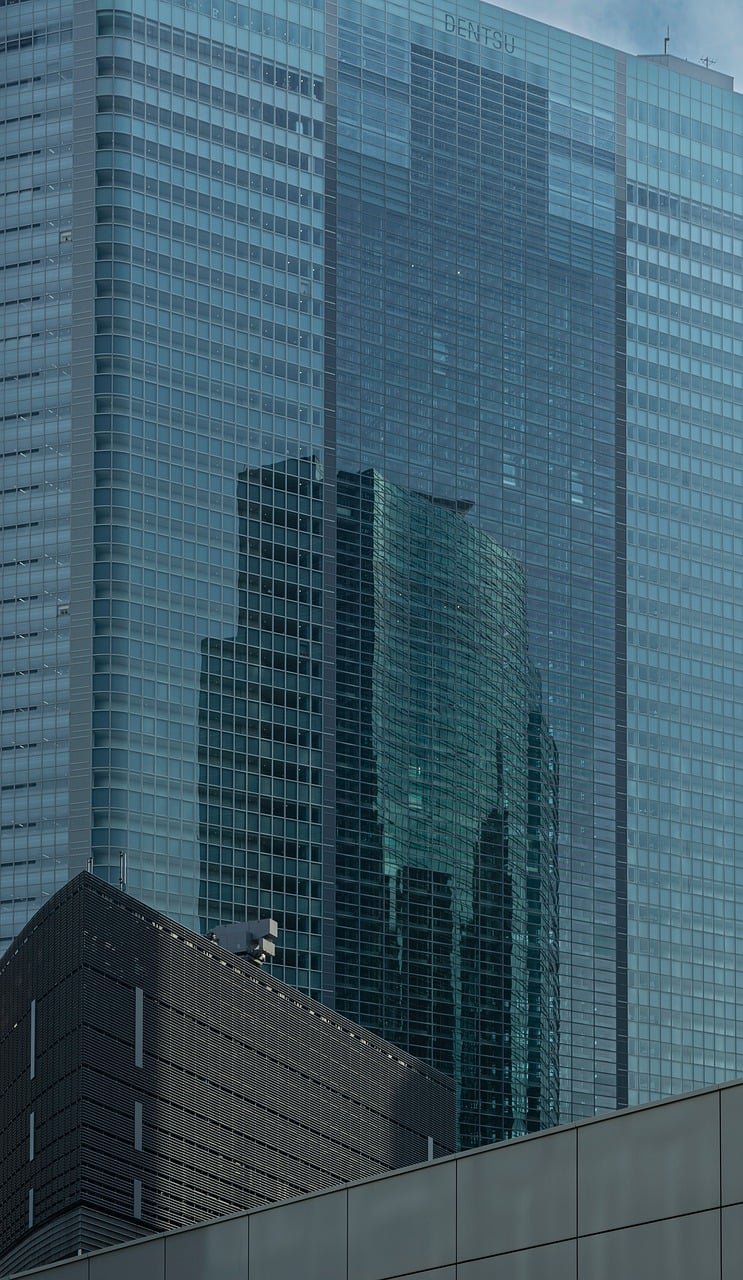
In the contemporary landscape, urban and suburban areas present distinct challenges and opportunities for sustainable building. Urban environments are characterized by high-density development, with multi-story buildings and diverse, vibrant communities. Conversely, suburban areas typically feature lower-density developments, such as single-family homes surrounded by green spaces. Understanding the inherent qualities of these environments is crucial for architects and builders looking to implement sustainable practices.
Energy Efficiency in Urban and Suburban Structures
Urban Settings
In urban areas, energy efficiency often comes from retrofitting older buildings to adhere to modern standards. Smart building technologies, such as advanced HVAC systems, smart meters, and insulation coatings, are commonly adopted. Urban developments engage in vertical landscaping, utilizing living walls and green roofs to reduce energy consumption through natural insulation and to improve air quality.
Suburban Settings
In the suburbs, energy efficiency commonly prioritizes newer construction. Builders focus on incorporating sustainable materials that offer better insulation, such as SIPs (Structural Insulated Panels) and insulated concrete forms. Solar panel installation is more prevalent in suburban developments, where homeowners generally have more roof space available for the solar arrays. Techniques such as passive solar design, maximizing natural light and thermal mass, are also increasingly popular.
Sustainable Materials: Urban vs. Suburban Choices
Urban Materials
In urban construction, the emphasis on sustainable materials often includes the use of reclaimed or recycled materials due to limited space and resources. For instance, urban dwellers utilize salvaged wood and metal in their renovations. Furthermore, local sourcing reduces carbon footprints—prioritizing materials that are produced within the region minimizes transportation emissions.
Suburban Materials
Conversely, suburban spaces more readily incorporate sustainable practices through the use of newer, eco-friendly materials. High-performance insulation, designed to minimize energy loss, is common. Moreover, the trend of using composite materials, which offer durability and low maintenance, is increasingly favored. Timber from sustainably managed forests finds its way into suburban building designs, emphasizing a commitment to eco-friendly resources.
Water Management Practices
Urban Water Conservation
Urban environments face unique challenges regarding water management due to impervious surfaces that do not absorb rainwater. Sustainable building trends focus on implementing green roofs, permeable pavements, and rainwater harvesting systems. Urban planners are increasingly incorporating bioretention areas and vegetated swales designed to absorb and filter stormwater, mitigating runoff issues.
Suburban Water Management
In the suburbs, managing water is often facilitated through large lawns and gardens. To combat potential waste, homeowners are turning to xeriscaping (landscaping that conserves water) and rain barrels for collecting roof runoff. Communities are increasingly implementing regulations requiring low-flow fixtures in new home constructions and sustainable irrigation techniques that minimize water waste.
Transportation and Urban Mobility
Urban Transportation Solutions
Sustainable transportation solutions in urban settings are vital, given the dense population and reliance on public transit. Trends indicate a rise in transit-oriented developments (TOD), where residential complexes are situated near public transport hubs. Cycling infrastructure, such as bike lanes, also promotes eco-friendly commuting methods, reducing dependency on automobiles.
Suburban Transport Trends
In contrast, suburban areas have traditionally been car-dependent, leading to expanded road networks and long commute times. However, changes are underway. Suburban developments are integrating mixed-use areas that encourage walking and cycling. Innovative public transportation options such as shared ride programs are also emerging, designed to connect suburbs with urban centers efficiently.
Waste Management and Recycling
Urban Waste Practices
Urban centers often grapple with substantial waste generation due to their population density. Comprehensive recycling programs and advanced waste management systems have become imperative. Many cities are implementing zero waste initiatives that aim to divert significant amounts of waste from landfills through policies mandating recycling and composting.
Suburban Waste Solutions
Suburban areas may not experience the same volume of waste, but their challenges include educating residents on waste separation and recycling practices. Many suburbs utilize community-specific recycling competitions and awareness programs to promote responsible waste management. Organic waste collection is becoming more common, allowing residents to compost their food scraps effectively.
Social Equity and Sustainable Development
Urban Equity Initiatives
Sustainable urban development increasingly addresses social equity by ensuring affordable housing that meets green building standards. Urban areas focus on creating mixed-income communities with access to green spaces and public services, bridging the gap between socio-economic classes through sustainable architecture.
Suburban Equity Efforts
In suburban settings, equitable development often aims to offer affordable housing options that incorporate sustainable practices. Zoning laws are adapting to allow for diverse housing types—ranging from townhomes to multi-family units—encouraging more inclusive communities centered around sustainability.
Technology Integration in Construction
Emerging Technologies in Urban Design
Advanced technologies such as Building Information Modeling (BIM) and virtual reality (VR) are revolutionizing urban building designs. These tools allow urban planners and architects to simulate sustainable practices and visualize the impact of their designs environmentally and socially before construction begins.
Innovations in Suburban Building
In suburban areas, new technologies focus on enhancing energy efficiency and user comfort. Smart home technologies, including automated lighting and climate control systems, allow homeowners to monitor and reduce energy consumption easily. Augmented reality (AR) is also being utilized to help builders illustrate construction plans visually.
Performance and Accountability: Certifications and Standards
Urban Certification Schemes
Urban buildings increasingly pursue LEED (Leadership in Energy and Environmental Design) and other certification programs emphasizing resource-efficient building practices. These certifications help set a benchmark for sustainability, encouraging developers to maintain accountability for their sustainability goals.
Suburban Standards
Similar standards are emerging in suburban developments. While less pressure exists compared to urban centers, LEED and Energy Star certifications are gaining traction. Local governments may also provide incentives for builders who meet or exceed sustainability guidelines, thus promoting responsible building practices.
Community Engagement in Sustainability Efforts
Urban Engagement Strategies
Community involvement is essential in urban settings, where architects and city officials often hold workshops to gather feedback on proposed development projects. Initiatives that engage residents in discussions about green spaces and transport enhancements reflect the community’s priorities in sustainable development.
Suburban Community Involvement
In suburban environments, grassroots movements to promote sustainability have gained momentum. Neighbors convening to share ideas on conserving energy or starting community gardens cultivate a sense of local stewardship essential for a successful transition toward more sustainable living practices.
The Future of Sustainable Building Practices
As urban and suburban landscapes continue to evolve, their unique demands will foster the growth of sustainable building trends tailored to their environments. With increasing awareness about environmental impacts, projects are incorporating innovative solutions that address climate change while enhancing community resilience. While both spheres have their distinct characteristics, the intersection of urban and suburban sustainability could lead to collaborative innovations transforming living spaces for generations to come.
