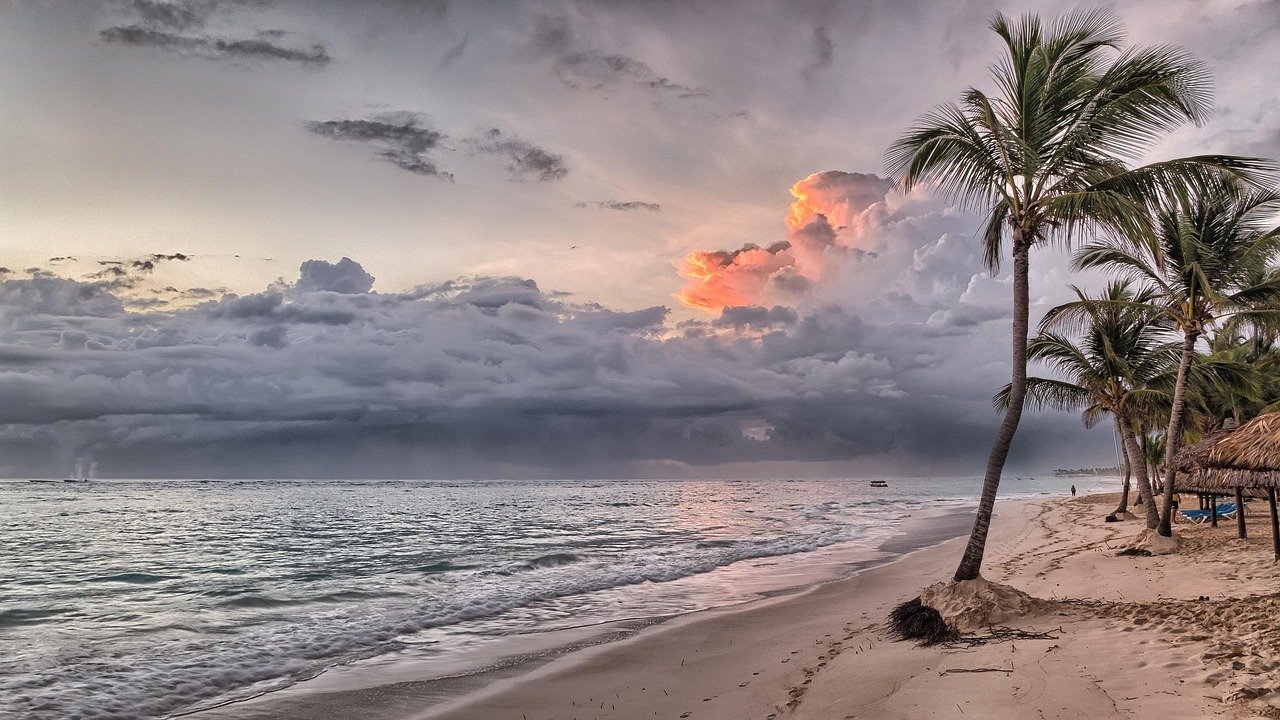

Overview of the Hawaiian Rental Market
Hawaii, known for its picturesque landscapes, rich culture, and warm climate, attracts millions of tourists annually. This popularity also translates into a dynamic rental property market, featuring a wide variety of residential and vacation rental opportunities across its diverse islands. Each island presents unique characteristics, trends, and challenges, making it essential to keep abreast of the latest developments in the rental market.
Key Islands and Their Markets
1. Oahu
Oahu, home to Honolulu, the state capital, has the most significant concentration of rental properties. High demand for both long-term and short-term rentals reflects the island’s appeal for both residents and tourists. The average rent for a one-bedroom apartment in Honolulu is approximately $2,600, indicating a strong market driven by both local and military populations.
Market Trends:
- Airbnb and Short-term Rentals: The advent of platforms like Airbnb has drastically changed Oahu’s rental landscape. In urban areas such as Waikiki, short-term rentals have led to increased income opportunities for property owners, albeit simultaneously raising discussions about housing availability and affordability.
- Regulatory Measures: Oahu is seeing increasing regulation of short-term rentals. In 2020, the city implemented stricter enforcement rules that require rentals to be licensed, influencing property owners’ investment strategies.
2. Maui
Maui is renowned for its stunning beaches and luxury resorts, making it a hotspot for vacation rentals. The rental market here leans heavily toward seasonal demand, which can complicate pricing strategies for property owners.
Market Trends:
- Luxury Rentals: The demand for luxury rentals is soaring, with properties in areas like Wailea and Kaanapali commanding premium rates. The average rental price for high-end homes can exceed $6,000 per month.
- Seasonal Fluctuations: Owners must adapt to seasonal trends, with peak rental prices during winter holidays and the summer months. This requires effective marketing and property management to maximize occupancy and income during off-peak months.
3. Big Island (Hawaii Island)
The Big Island is experiencing a growing rental market, driven by both locals and tourists interested in its natural beauty and diverse climates. Kailua-Kona and Hilo are among the sought-after areas for rental properties.
Market Trends:
- Diverse Market Range: The rental prices vary significantly, from affordable housing options in Hilo starting at around $1,500/month to luxury oceanfront homes in Kailua-Kona approaching $4,500/month.
- Long-term Rentals: There’s an increasing demand for long-term rentals, particularly from individuals relocating to the island for jobs in education, healthcare, or tourism.
4. Kauai
Known as the “Garden Isle,” Kauai’s rental market is more tranquil compared to Oahu and Maui. With fewer tourists and a smaller population, it offers unique opportunities for long-term rentals.
Market Trends:
- Sustainable and Eco-friendly Rentals: There is a growing interest in eco-friendly rental properties. Investors are focusing on sustainability, utilizing green building practices to attract eco-conscious renters.
- Reduced Housing: The competitive market has led to a shortage of affordable long-term rentals, leading property owners to rethink their pricing strategies and target demographics.
5. Molokai and Lanai
Molokai and Lanai present niche markets with unique challenges and growth opportunities. With fewer vacation rental units available, these islands attract those looking for more secluded experiences.
Market Trends:
- Community-focused Rentals: Long-term rentals are primarily community-based, often priced lower than mainland averages, targeting local families and workers.
- Low turnover rates: The rental turnover rates are generally low, reflecting a more stable rental market while providing property owners with consistent rental income.
Influencing Factors in the Rental Property Market
1. Economic Conditions
The Hawaiian economy is heavily reliant on tourism. Economic recovery post-pandemic remains a pivotal factor influencing rental properties, affecting both demand and rental rates. As tourism rebounds, property owners can anticipate increased rental prices, particularly in tourist-heavy areas.
2. Legislation and Regulations
Ongoing legislative changes affect the rental landscape significantly. Laws enacted to regulate short-term rentals can impact supply and rental income potential. Property owners must stay informed about local regulations to ensure compliance and optimize profitability.
3. Market Competition
With an influx of new rental properties, competition has intensified. Property owners are compelled to enhance their offerings by diversifying amenities (e.g., high-speed internet, eco-friendly options) and improving marketing strategies. High-quality online listings and partnerships with local property management companies can enhance visibility.
4. Demographic Shifts
Younger generations are increasingly moving to Hawaii, driven by remote working opportunities. Their preferences often lean towards modern, pet-friendly, and eco-conscious rentals, prompting property owners to adapt accordingly.
Conclusion
Analyzing the trends in rental properties across the Hawaiian Islands reveals a complex and multifaceted market influenced by various local characteristics and broader economic factors. Each island presents its challenges and opportunities, thus renters and property owners must stay adaptable and informed to succeed. As the market continues to evolve, staying aligned with prevailing trends will be crucial for maximizing investment potential and meeting consumer demands in this idyllic paradise setting.
