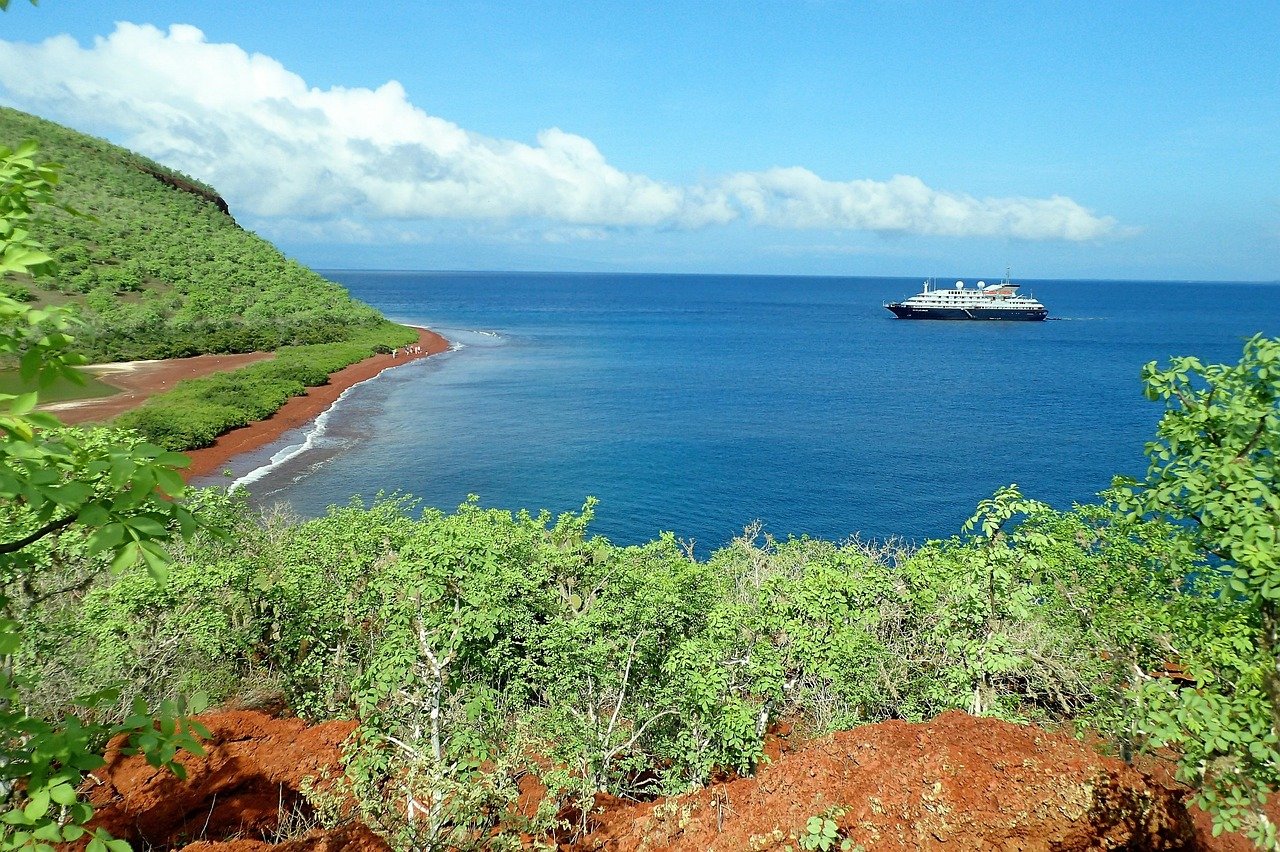

The Impact of Tourism on Hawaii’s Real Estate Prices
Hawaii, known for its stunning landscapes and vibrant culture, is a prime tourist destination. This influx of visitors significantly influences the state’s economy, particularly its real estate market. To understand how tourism affects real estate prices in Hawaii, it’s essential to analyze various factors, including demand, supply, economic stimulation, and the overall impact of tourist activity on the islands’ property values.
Increased Demand for Vacation Rentals
As tourism continues to thrive in Hawaii, particularly during peak seasons, the demand for vacation rentals has skyrocketed. Travelers seek short-term accommodations that provide not just comfort but also unique local experiences. This surge in demand has led many homeowners to convert their properties into short-term rentals, which can command premium rates. Websites like Airbnb and Vrbo facilitate these transactions, enabling property owners to benefit from the rapidly increasing tourist numbers. This transition of residential properties to vacation rentals helps drive up real estate prices, as investors recognize the potential for high returns on investment.
Influencing Long-Term Rental Markets
The dynamic impact of tourism extends beyond vacation rentals to the long-term rental market. Many property owners, enticed by the lucrative prospects of short-term rentals, choose to take their properties off the long-term rental market. This decision creates a shortage of available long-term housing for local residents, resulting in increased rental rates. As locals compete for fewer long-term leasing options, they face elevated prices, which can disproportionately affect lower-income families and drive out long-time residents. Consequently, this phenomenon leads to an overall increase in the average real estate prices across the islands.
Economic Stimulation and Wealth Creation
Tourism is pivotal to Hawaii’s economy, contributing significantly to job creation, local business revenues, and tax income. As the tourism sector flourishes, the inflow of money into the local economy allows residents to invest more into property, further escalating demand for real estate. Higher disposable incomes elevate spending power, supporting upward trends in property values. Moreover, successful tourism industries attract additional businesses, such as restaurants, retail shops, and entertainment venues, leading to improved infrastructure and a higher standard of living. Such developments often heighten the appeal of the surrounding real estate, driving up prices.
The Role of Investors and Real Estate Speculators
The attractiveness of Hawaii as a travel destination makes it a hotspot for real estate investors. Aside from residents converting their homes into short-term rentals, external investors often purchase properties in anticipation of rising values linked to tourism growth. This investment activity encompasses both residential and commercial real estate, with buyers aiming to capitalize on the fluctuating market. Consequently, intensified investor interest compounds the existing pressure on property prices, often outpacing what locals can afford. The competition between speculators and habitual homebuyers can increase the value of properties even further.
Preservation and Sustainability Concerns
As tourism impacts real estate prices, it inadvertently raises concerns about environmental sustainability and the preservation of local culture. Rising property prices can lead to overdevelopment, which can harm the natural landscapes that initially attract tourists. As local governments respond with regulations to control growth and protect the environment, the subsequent limited availability of land for development can result in increased real estate prices. Thus, restrictions aimed at mitigating tourism’s ecological footprint may keep property values on an upward trajectory due to decreased supply amid persistent demand.
Community Dynamics and Local Sentiment
Increased real estate prices fueled by tourism can lead to tensions within communities. Long-term residents may feel the strain of a housing market that no longer accommodates former price points, leading to concerns over gentrification and the displacement of locals. There can also be a cultural shift as neighborhoods evolve to cater primarily to visitors rather than residents. Community sentiments may affect property prices, as buyers consider social dynamics and the cultural integrity of neighborhoods they wish to engage with.
Seasonal Fluctuations in Prices
Hawaii’s real estate market also experiences seasonal fluctuations, mirroring tourist seasons. High tourist seasons, often coinciding with holiday periods, can result in a temporary spike in real estate prices. Conversely, during off-peak seasons, a drop in demand for rental properties can lead to a decrease in short-term rental prices, impacting the broader real estate market. However, due to the intrinsic appeal of Hawaii as a year-round tourist destination, properties generally trend upwards over extended periods despite seasonal volatility.
The Future of Hawaii’s Real Estate Market
Looking forward, the interplay between tourism and real estate prices in Hawaii will likely continue to evolve. As tourism adapts to new norms influenced by factors such as climate change, economic fluctuations, and changing travel preferences, property values may respond accordingly. The rise of eco-tourism and sustainable travel could create new opportunities for real estate development that balances the need for tourism with environmental integrity. Understanding these trends will be critical for investors, property owners, and policymakers focused on sustainable growth in Hawaii’s unique and intricate housing market.
Conclusion
While the details surrounding the topic of tourism and real estate prices in Hawaii illustrate a complex interaction, the clear link between increased tourist activity and rising property values is undeniable. As tourism continues to be a linchpin of Hawaii’s economy, stakeholders must navigate the challenges and opportunities it presents, ensuring that both the real estate market and local communities can thrive together. The nuances of this relationship will continually shape the islands’ landscape, making it an ongoing area of interest for both residents and investors alike.
