
Balancing Nature and Commerce: Innovative Island Infrastructure Projects
The Unique Challenge of Island Infrastructure
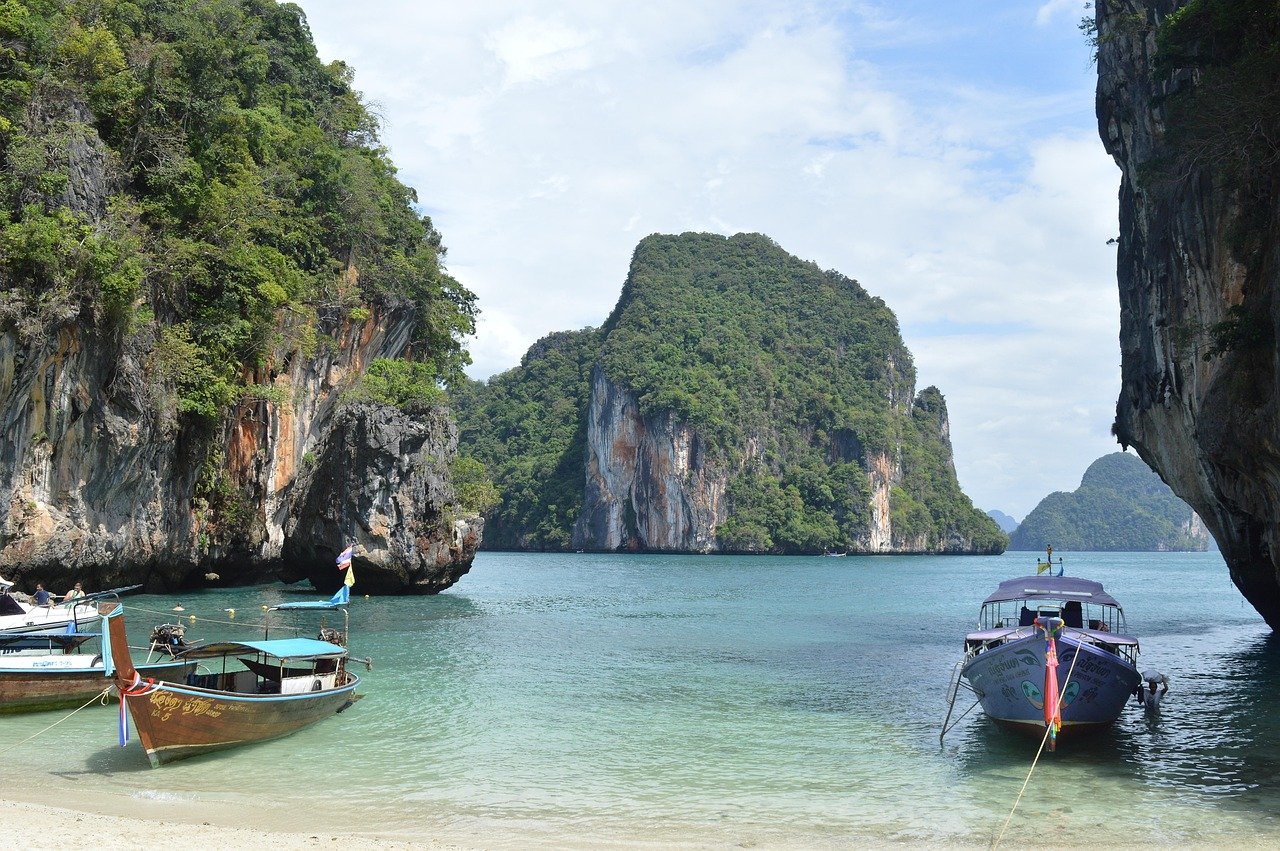
Islands present a unique combination of natural beauty, limited resources, and economic potential. They often face logistical challenges due to their geographical isolation, making effective infrastructure development crucial for both environmental preservation and economic growth. Innovative projects that integrate nature and commerce can help maintain the delicate balance necessary for sustainable island development.
Renewable Energy Solutions
The shift towards renewable energy sources has gained momentum in island infrastructures, offering sustainable solutions while reducing reliance on fossil fuels. For instance, the implementation of solar farms in places like Hawaii has demonstrated a successful model. Hawaii’s strategic investment in solar technology consists of over 1,400 rooftops utilizing photovoltaic systems, which significantly cut down carbon emissions while creating a thriving local market for green jobs.
Wind energy is another area where islands excel. Projects in locations such as the Azores Islands have harnessed the robust trade winds to produce electricity. Wind turbines installed across this archipelago have enabled the islands to generate a significant portion of their energy needs, providing a dual benefit of economic reliability and environmental protection.
Sustainable Tourism Initiatives
Tourism is a vital part of many island economies; however, it often comes at the cost of local ecosystems. Sustainable tourism initiatives combine economic viability with environmental stewardship. Bali, for example, has embraced eco-tourism by promoting organic farming, local workshops, and sustainable hospitality. The integration of bamboo construction in hotels minimizes the carbon footprint while creating employment for local artisans.
In the Maldives, initiatives to establish coral garden resorts have garnered attention. These resorts not only provide visitors with underwater experiences but also contribute to the regeneration of coral reefs, thus promoting biodiversity while supporting the local economy through tourism revenue.
Innovative Waste Management Systems
Waste management is a significant challenge for island communities due to limited land resources. Innovative waste management systems are essential for maintaining both human health and environmental integrity. The Circular Economy model advocates for recycling and repurposing materials, which several islands have successfully adopted.
Take the Caribbean island of Bonaire, where a community-driven waste management initiative has yielded impressive results. It includes a waste-to-energy plant that converts trash into energy, significantly reducing landfill use while contributing to the island’s energy supply. This not only helps keep the environment clean but also generates revenue, providing a model for other islands facing similar issues.
Water Management Technologies
Freshwater scarcity is another pressing concern for many islands. Innovative water management technologies are crucial for ensuring sustainable water supply. Desalination plants have become increasingly viable; thus, many island nations, such as Malta and Aruba, have invested in state-of-the-art desalination technology that provides potable water from seawater, effectively mitigating freshwater shortages.
Rainwater harvesting systems have also gained traction in many islands. By collecting and storing rainwater during wet seasons, systems can significantly relieve the pressure on freshwater sources in dry periods. These systems are usually low-cost, easy to implement, and reduce the need for extensive infrastructure, proving to be suitable for both urban and rural settings.
Green Transportation Solutions
Transportation can pose a significant environmental burden on islands due to fuel consumption and emissions. New infrastructure projects focusing on green transportation can mitigate these issues while promoting economic activities. Electric vehicle (EV) initiatives, supported by government incentives, are emerging in various islands, including Guam, where investments in EV charging stations have begun.
Furthermore, sustainable public transit options, such as electric buses or ferries, promote lower emissions while facilitating transportation for residents and tourists alike. Islands like Saint Lucia have successfully introduced eco-friendly bus systems, reducing carbon footprints while enhancing the tourist experience.
Coastal Protection and Resiliency
Islands are among the most vulnerable to climate change and rising sea levels. To ensure their infrastructures remain resilient, innovative coastal protection strategies are being deployed. Living shorelines, which utilize natural materials such as plants and rocks to create barriers, provide a sustainable alternative to traditional coastal protection methods.
For instance, communities in the Florida Keys have engaged in projects that restore mangroves and seagrass beds, which serve not only as natural barriers against storms but also as critical habitats for marine life. Such projects deliver ecological benefits while supporting local fisheries and tourism sectors.
Smart Technology Integration
With the rapid advancement of technology, the integration of smart technology into infrastructure has transformed many island economies. Smart grids, for example, optimize energy use and reduce waste, increasing efficiency. In Puerto Rico, efforts to modernize the electrical grid post-hurricane disruptions have incorporated smart technology that allows for real-time adjustments to power distribution, enhancing resilience and ensuring a more stable energy supply.
Incorporating IoT (Internet of Things) devices for monitoring weather conditions, traffic, and environmental quality can enhance urban planning in island settings. An example can be seen in Singapore’s Smart Nation initiative, which emphasizes the importance of technology in improving the quality of life while actively promoting sustainability as a core component of urban development.
Community Engagement and Education
For infrastructure projects to succeed in harmony with nature, community engagement is critical. Schools and local organizations play pivotal roles in educating residents about sustainability practices, ensuring that the entire community remains invested in the preservation of their unique environments. Initiatives in Guam, where community-based conservation programs are flourishing, demonstrate how involving locals leads to better outcomes in preserving biodiversity while simultaneously boosting economic opportunities.
Learning from other successful models, island resorts can also implement programs that teach visitors about local ecosystems and sustainable practices, fostering a culture of respect and responsibility among tourists and residents alike.
Economic Diversification through Innovation
By innovating and diversifying their economies, islands can reduce dependence on tourism alone. Investments in agriculture, aquaculture, and technology sectors provide alternative pathways for economic growth. The Isle of Man, for instance, has successfully diversified its economy beyond tourism and financial services by promoting agricultural technologies and attracting tech startups.
Innovative projects that invite local entrepreneurs to explore vertical farming or sustainable aquaculture can foster regional food production systems, lessening the reliance on imported goods, thus ensuring food security and stimulating local economies.
