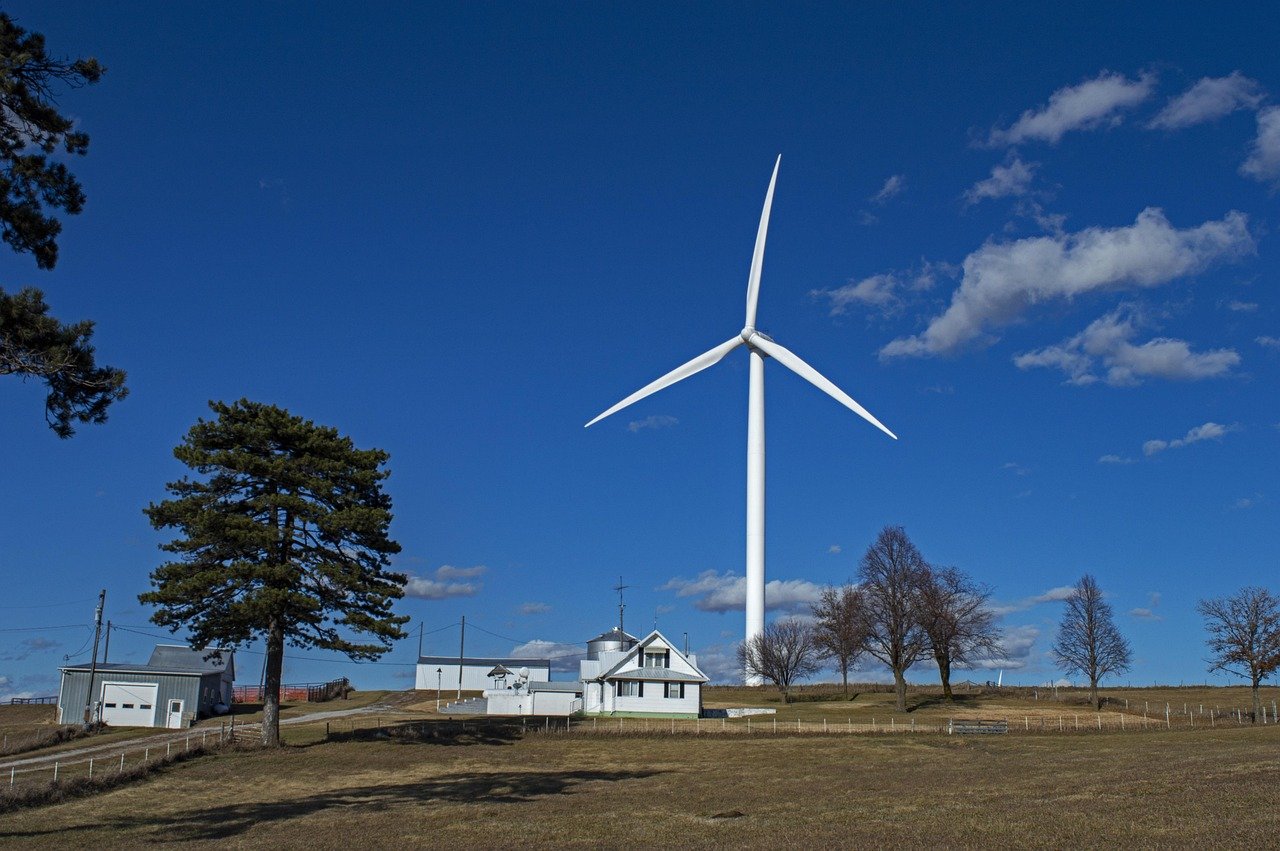

Building a Greener Future: Sustainable Real Estate Projects in Hawaii
Hawaii has long been celebrated for its stunning landscapes, diverse ecosystems, and rich cultural heritage. However, the state faces distinct environmental challenges, including rising sea levels, decreasing freshwater resources, and habitat destruction. To combat these issues, sustainable real estate projects are emerging as beacons of hope, marrying ecological stewardship with innovative design. This article delves into some of the forefront sustainable real estate projects in Hawaii, showcasing practices and technologies that contribute to ecological resilience while promoting community well-being.
The Importance of Sustainability in Hawaii
Sustainable real estate in Hawaii is not simply a trend; it is a necessity. The Hawaii Statewide Sustainability Plan emphasizes the importance of balancing development with the preservation of natural resources. Moreover, Hawaii’s unique cultural values prioritize stewardship of the land (‘aina), making sustainability intrinsically linked to local identity. By focusing on green building practices, developers can mitigate environmental impact, reduce energy consumption, and promote social equity.
LEED-Certified Buildings
One of the most significant benchmarks for sustainable construction is the Leadership in Energy and Environmental Design (LEED) certification. Several projects in Hawaii have achieved this status, utilizing green technologies and practices to minimize their environmental footprint.
Example: The Kō’ula Tower in Kaka’ako, Honolulu, is a prime LEED-certified residential development. Featuring high-efficiency fixtures, solar energy systems, and improved indoor air quality, Kō’ula Tower exemplifies sustainable urban living. The project also encourages biking and walking by designing walkable neighborhoods, further decreasing carbon emissions.
Energy-Efficient Homes
Energy efficiency is at the heart of sustainable real estate in Hawaii. Traditional homes can consume large amounts of energy due to heating, cooling, and electrical needs. However, the “Hawaii Energy Efficiency Program” provides resources for homeowners and developers to invest in energy-efficient technologies.
Example: The Hanalei Bay House on Kauai incorporates extensive passive design elements, such as cross-ventilation, thermal mass, and strategically placed windows that allow natural light while minimizing heat gain. The project has been recognized for significantly reducing energy usage and integrating the beauty of the surrounding environment into its design.
Water Conservation Innovations
Water scarcity is a pressing issue in Hawaii, making water conservation practices crucial for sustainable real estate development. Rainwater harvesting systems, greywater recycling, and drought-resistant landscaping are vital components.
Example: The Pu‘u ‘O‘o development on the Big Island incorporates these water-smart technologies. With a dedicated water management plan that includes a comprehensive greywater recycling system and indigenous plant landscaping, this project captures and reuses approximately 90% of its water consumption.
Indigenous Landscaping and Biodiversity
Preserving the unique biodiversity of Hawaiian flora is another crucial aspect of sustainable real estate. By choosing native plants that require less water and are more resistant to local pests, developers can restore lost ecosystems while also minimizing maintenance costs.
Example: The Malama Project on Oahu emphasizes using native plants in its landscaping design. By cultivating a garden with over 100 varieties of local flora, the project fosters pollinator habitats and enhances the ecological health of the area. Additionally, integrating educational signage allows the wider community to learn about the importance of native ecosystems.
Eco-Friendly Building Materials
Incorporating sustainable materials into construction significantly impacts the environmental quality of buildings. Utilizing locally sourced and sustainable materials reduces transportation emissions and supports local economies.
Example: The Hui Nalu project in Maui emphasizes using reclaimed wood from decommissioned structures and incorporates environmentally friendly products, such as bamboo and recycled steel. These choices not only promote the circular economy but also capture local craftsmanship, enhancing the building’s connection to its location.
Zero-Waste Construction Practices
Waste generated during construction contributes to landfills and impacts the surrounding environment. Zero-waste policies enforced by sustainable projects aim to divert waste through recycling, reuse, and composting practices.
Example: The Hale Makai development in Molokai is committed to a zero-waste philosophy. The project implements meticulous waste management systems, recycling all construction material and composting organic waste generated on-site. By achieving zero waste during construction, Hale Makai ensures minimal environmental disruption while promoting community-wide sustainability practices.
Smart Technology Integration
Modern technology offers innovative solutions that significantly enhance a property’s performance and sustainability. Smart building management systems can monitor energy usage, optimize HVAC performance, and improve overall efficiency.
Example: The Nā‘ālehu Smart Village is a pioneering development that integrates smart technology into its design. Featuring an interconnected network of smart energy systems and responsive climate control, the village is designed with both residents and the environment in mind. This forward-thinking approach aims to reduce energy consumption while enriching the quality of life of its residents.
Affordable Sustainable Housing Solutions
The rising cost of living in Hawaii poses a challenge for many residents, making affordable housing a critical focus. Sustainable real estate initiatives can provide affordable housing options while maintaining ecological integrity.
Example: The Aloha ‘Aina project in Hilo focuses on creating affordable, sustainable housing. By implementing modular construction techniques and efficient land use, the project aims to provide homes for families at lower costs while meeting sustainability benchmarks.
Community Engagement and Education
Successful sustainable real estate projects often engage the local community, fostering a sense of ownership and responsibility toward their environment. Educational programs that promote sustainability practices can empower residents to adopt green habits.
Example: The Ko’olina Sustainable Community offers workshops and training sessions for residents on topics such as permaculture, organic gardening, and regenerative practices. By creating a culture of sustainability, this community not only enhances the quality of life but also serves as a model for future developments.
Conclusion
Hawaii is undergoing a transformation in real estate development, leading the way towards greener communities. Through innovative design, eco-friendly materials, and a commitment to responsible land use, sustainable real estate projects are redefining how development interacts with the environment. As Hawaii embraces long-term sustainability goals, these projects demonstrate a path forward where ecological balance and economic vitality coexist in harmony. The commitment to nurturing both people and the environment can pave the way for a more viable and prosperous future for the islands.
