
City Luxury Estates
Urban Sophistication
City luxury is often characterized by its vibrant, dynamic environments. Urban estates frequently showcase contemporary architectural styles, with floor-to-ceiling windows, open-concept layouts, and cutting-edge technology. High-end materials like marble, quartz, and custom finishes are prevalent within these spaces, transforming them into lavish retreats amidst the hustle and bustle of city life.
Prime Locations
Cities often host prime real estate locations coveted for their proximity to business hubs, cultural hotspots, and world-class dining experiences. Neighborhoods such as Manhattan’s Upper East Side, San Francisco’s Pacific Heights, and Los Angeles’ Beverly Hills are iconic areas where wealthy buyers seek to establish their luxurious lifestyles. These locations ensure easy access to amenities, making every endeavor—from shopping to enjoying the arts—easily attainable.
Cultured Living
Living in the city provides unique access to cultural attractions including theaters, museums, and art galleries. A luxury estate in a city often means residing near prestigious educational institutions and professionals, enhancing one’s network both personally and professionally. Urban dwellers benefit from diverse culinary experiences from Michelin-starred restaurants to food trucks, each offering an abundance of gastronomic delights.
Amenities and Services
City luxury living offers unmatched convenience. Concierge services, valet parking, and personal trainers are readily available in many urban luxury buildings. Residents may indulge in rooftop pools, private gyms, and exclusive lounges while enjoying breathtaking skyline views. Urban estates often reside in buildings equipped with 24/7 security, ensuring residents feel safe and pampered at all times.
Suburban Luxury Estates
Tranquil Space
In contrast to city life, suburban luxury estates provide an expansive environment, often set on large lots that emphasize privacy and serenity. These homes typically feature sprawling layouts, vast backyards, and outdoor spaces ideal for family gatherings and entertaining. The lush landscaping and thoughtful designs blend elegance with nature, enticing those who desire a peaceful retreat from the fast-paced urban lifestyle.
Family-Focused Communities
Suburban luxury estates often cater to families, emphasizing safety and community. Neighborhoods in areas like Westlake, Texas, or the affluent suburbs of Chicago, such as Hinsdale, prioritize single-family homes with expansive yards, great schools, and nearby parks. These communities foster a tight-knit atmosphere where families can thrive, encouraging outdoor activities and recreational opportunities.
Outdoor Recreation and Leisure
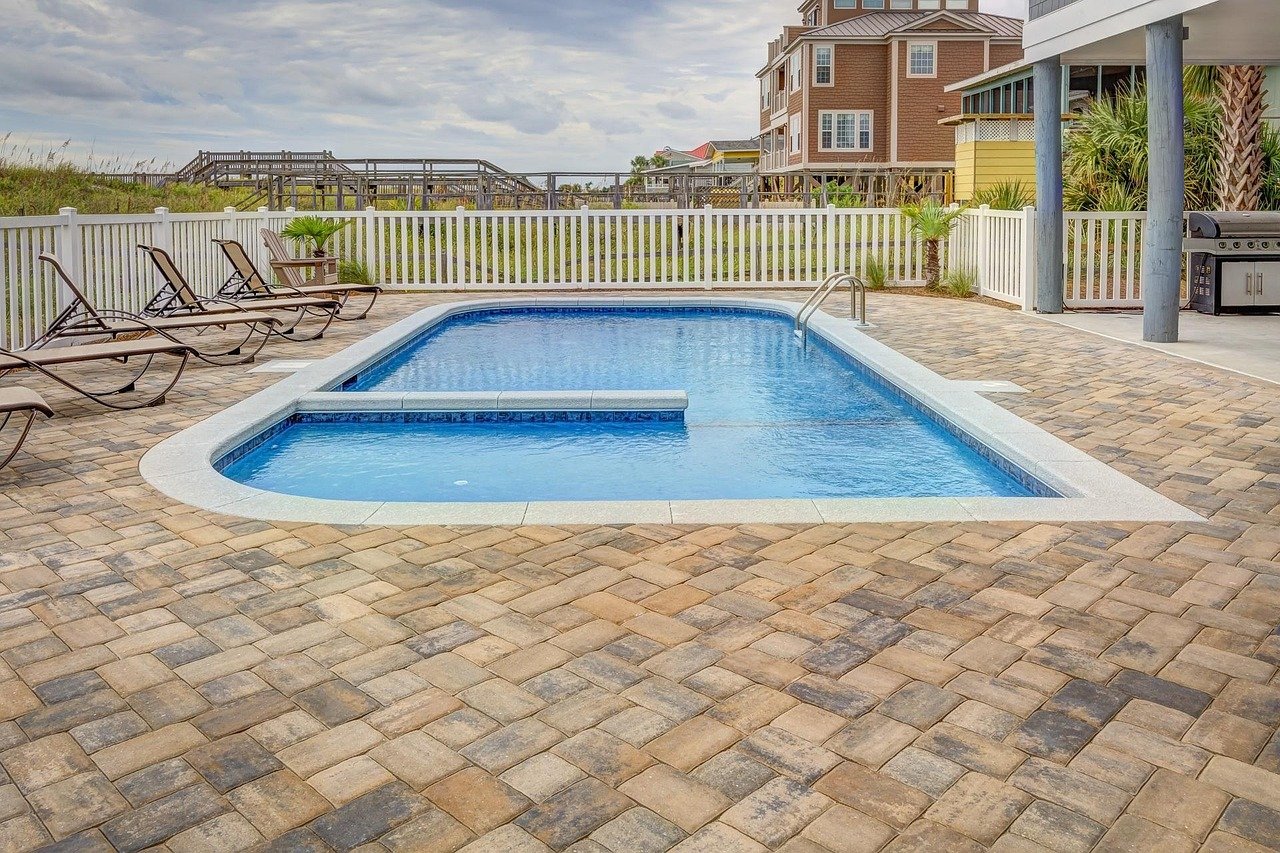
Suburbia offers access to an array of outdoor activities. Many luxury estates come with swimming pools, tennis courts, or access to private golf clubs, emphasizing leisure and lifestyle. Nature trails, parks, and scenic locations contribute to a healthy, active lifestyle that city living rarely offers. Residents value weekend hikes, picnics, and family-friendly events, making suburban living particularly appealing to those with children or pets.
Customization and Personalization
Suburban luxury estates provide homeowners with the freedom to customize their homes to fit individual desires. These larger parcels of land allow for expansive designs and personalized features such as home theaters, wine cellars, and expansive outdoor kitchens. Buyers can choose from traditional, modern, or farmhouse aesthetics, reflecting their unique tastes and preferences.
Cost of Living and Investment Potential
City Versus Suburban Pricing
When evaluating luxury estates, the cost of living is a crucial factor. Suburban homes, though large and luxurious, can often be less expensive than their urban counterparts. High-rise condominiums in prime city areas may command exorbitant prices due to their limited space and highly desirable locations. Conversely, the variety in suburban estate pricing allows buyers to find homes that offer considerable square footage without breaking the bank.
Investment Opportunities
Both city and suburban luxury estates present significant investment opportunities, yet with different risks and rewards. City properties generally appreciate at a robust rate due to high demand, making them favorable for investors. However, suburban markets also show promise with shifting demographics as buyers seek larger living spaces, particularly in the post-pandemic environment. Understanding local market trends is essential for making informed investment decisions irrespective of location.
Lifestyle and Community
Social Fabric of City Living
City living often involves a fast-paced lifestyle rich in social interactions. The bustling atmosphere encourages residents to socialize more frequently—attending gallery openings, enjoying theater productions, or dining out. Networking opportunities abound, which can be major advantages in professional environments. Fine dining establishments, chic bars, and trendy cafes become extensions of one’s living room, cultivating a cosmopolitan vibe.
The Feel of Suburban Life
In contrast, suburban life tends to foster a slower pace, which many families find appealing. Weekend farmers’ markets, community events, and school functions create a sense of connection and belonging. The social fabric is woven through shared experiences, strengthening neighborhood ties. Children can play safely outside, engage with community sports teams, and make lasting friendships, a significant draw for families looking for stability.
Transportation Accessibility
Urban Transit Options
A vital component of city living is transportation. Urban estates are typically located near public transit, making commuting to work or enjoying a night out more manageable. Cities are designed with numerous transport options—subways, buses, and ride-sharing services—making it convenient to navigate without the need for a car.
Suburban Drive
Conversely, suburban estates often require a vehicle for transportation. Though seemingly inconvenient, many suburban dwellers appreciate the serenity of spacious roads less burdened by the congestion common in urban areas. Suburban developments often prioritize easy accessibility to highways and major routes, facilitating travel to city centers when desired.
Conclusion
Choosing between city versus suburban luxury estates ultimately hinges on personal lifestyle preferences and life stages. Urban luxury suits those desiring vibrant city life and cultural integration, while suburban luxury is perfect for those seeking peace, space, and a family-centric environment. An awareness of factors such as amenities, pricing, and lifestyle choices will help buyers navigate through each alternative to find their dream estate.
