
Climate Resilience in America’s Islands
Climate resilience refers to the ability of a community to anticipate, prepare for, and respond to adverse climate events, while sustainable development aims to satisfy current needs without compromising future generations’ ability to meet their own needs. America’s islands, including territories like Puerto Rico, the U.S. Virgin Islands, Hawaii, and American Samoa, face unique challenges and opportunities in integrating climate resilience with sustainable development.
Understanding the Vulnerability of Islands
Islands are particularly vulnerable to climate change impacts such as rising sea levels, increased frequency of severe weather events, and shifting ecosystems. According to the Intergovernmental Panel on Climate Change (IPCC), sea levels could rise by as much as 1.1 meters by 2100. This poses existential threats to island communities, where coastal infrastructure and ecosystems are often directly at risk. For instance, Puerto Rico has already experienced significant storm damage from Hurricanes Maria and Irma, revealing the urgent need for strategies that address both immediate relief and long-term resilience.
Strategies for Enhancing Climate Resilience
-
Infrastructure Improvement
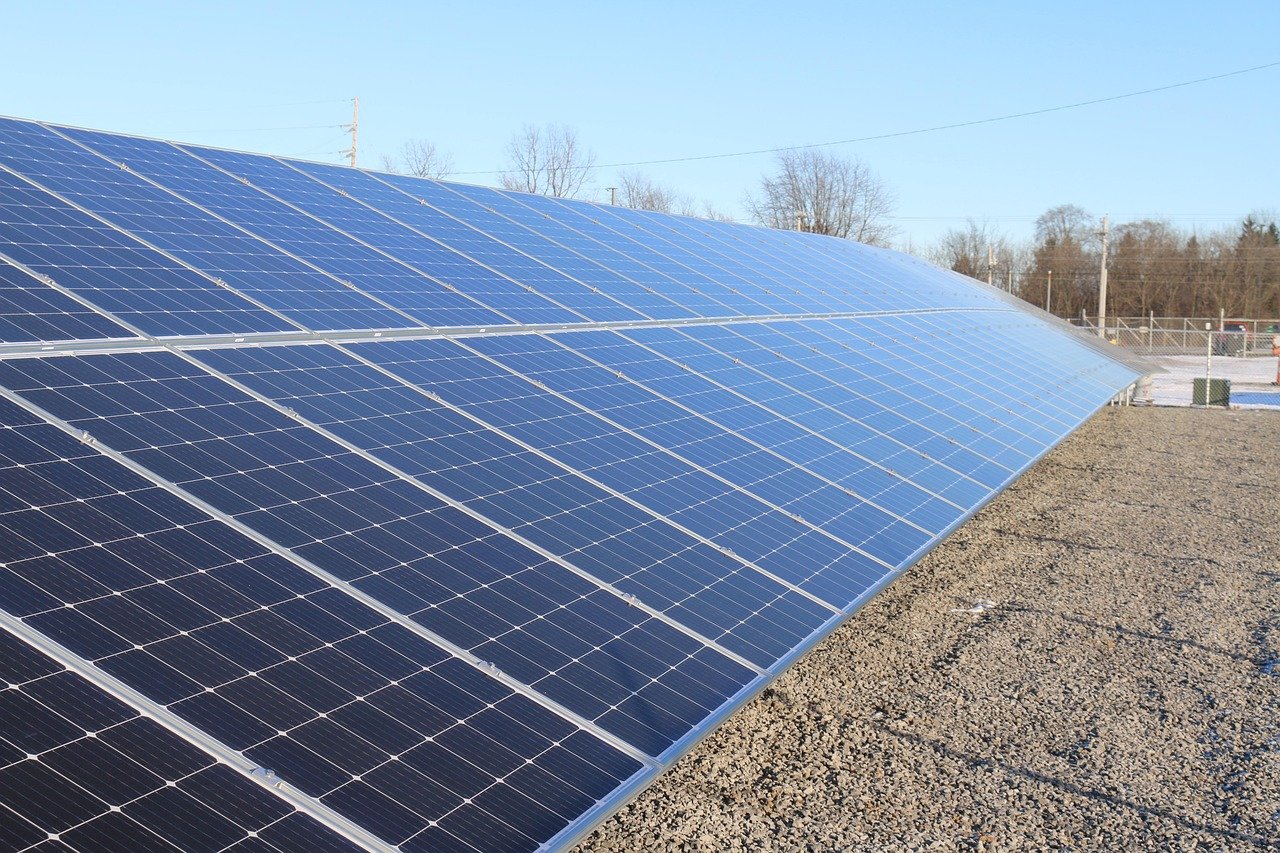
Investing in resilient infrastructure is crucial. This includes building seawalls, restoring wetlands, and retrofitting public buildings to withstand extreme weather. For example, after Hurricane Maria, Puerto Rico’s power grid was heavily impacted. Empowering renewable energy sources, such as solar panel installations on residential rooftops, not only reduces reliance on fossil fuels but also strengthens energy resilience. -
Ecosystem Restoration
Healthy natural ecosystems provide a buffer against climate impacts. Coastal ecosystems, such as mangroves and coral reefs, act as natural barriers against storm surges. Restoration projects facilitated by entities like the National Oceanic and Atmospheric Administration (NOAA) can enhance flood protection and provide habitat for endangered species, supporting both biodiversity and sustainable tourism. -
Community Engagement
Effective climate resilience planning must involve local communities. Programs that educate residents about sustainable practices and empower them to participate in decision-making processes can build social cohesion and drive local innovation. Engaging with indigenous populations, whose traditional knowledge can enhance adaptive strategies, is essential for meaningful community involvement. -
Policy Integration
Government policies must synchronize climate resilience efforts with sustainable development goals. The United Nations’ Sustainable Development Goals (SDGs) provide a framework for aligning local policies with global targets. For instance, promoting clean water access (SDG 6) alongside disaster preparedness initiatives can highlight the interconnectedness of various sectors. -
Investment in Research and Technology
Harnessing technology can offer innovative solutions to climate challenges. Remote sensing technology, for example, can be employed to monitor coastal erosion and habitat loss. Additionally, leveraging data analytics can enhance disaster response preparedness, allowing for more effective allocation of resources during crises.
Eco-Tourism as a Sustainable Development Path
Eco-tourism represents a significant opportunity for islands to boost their economies while promoting sustainability. This approach focuses on responsible travel to natural areas, preserving the environment and improving the well-being of local communities. Investments in eco-tourism can generate revenue while fostering appreciation for unique ecosystems.
In Hawaii, for instance, the “Aloha ‘Āina” initiative encourages tourists to engage in conservation efforts, such as beach clean-ups and cultural experiences that promote Hawaiian heritage. This model not only supports environmental sustainability but also empowers communities economically and socially.
Climate-Resilient Agriculture
Agricultural practices must also evolve to maintain food security in the face of climate change. Implementing agroecological techniques can enhance resilience by emphasizing biodiversity, soil health, and sustainable water management. For example, diversifying crop varieties in Hawaii can reduce vulnerability to pests and diseases exacerbated by climate fluctuations.
Workshops and training programs can educate local farmers on sustainable practices such as permaculture and organic farming methodologies. This transition not only mitigates environmental impacts but also engages community members in a shared goal of food sovereignty.
Renewable Energy Adoption
Transitioning to renewable energy is critical for creating a sustainable future on America’s islands. The Caribbean Renewable Energy Challenge aims to facilitate this transition, promoting solar, wind, and hydropower installations across vulnerable island communities. For example, Puerto Rico has embarked on an ambitious goal of achieving 100% renewable energy by 2050, prioritizing grid resiliency and integrating smart technology for efficient energy distribution.
By focusing on locally sourced renewable energy, islands can reduce reliance on imported fuels, thus enhancing energy independence and economic stability.
Climate-Resilient Communities: Case Studies
-
Puerto Rico
Post-Hurricane Maria, Puerto Rico has focused on rebuilding its electrical grid through decentralized energy systems, allowing for better resilience against future storms. Community solar initiatives have emerged, enabling collective ownership and shared benefits among neighborhoods. -
U.S. Virgin Islands
The Virgin Islands have introduced the Climate Adaptation Plan, which incorporates community feedback and climate data to improve preparedness. These resiliency strategies include enhancing drainage systems, restoring mangroves, and implementing sustainable land-use practices to reduce flooding. -
American Samoa
American Samoa’s sustainable fisheries programs aim to mitigate overfishing and promote marine conservation. Integrating traditional practices, such as the use of fish reserves and taboos, supports both cultural heritage and environmental sustainability. -
Hawaii
Hawaii’s “Sustainable Families” initiative combines local food production, educational outreach, and community engagement in its approach to building resilience. Encouraging local food systems reduces dependency on external supplies, enhancing food security.
Conclusion: Embracing a Sustainable Future
By addressing the intertwined challenges of climate resilience and sustainable development, America’s islands can create robust, adaptive communities that thrive in the face of climate change. The implementation of innovative strategies, fostering community engagement, and prioritizing sustainable practices can pave the way for a resilient future, underpinned by vibrant ecosystems and empowered populations. The transformation toward sustainability not only benefits the present but also safeguards the islands for generations to come.
