
The Rise of Co-Living Spaces
Co-living spaces have emerged as a significant trend in urban living, especially as cities become increasingly congested and rental prices soar. Designed to accommodate the growing demographic of millennials, digital nomads, and even young families, these spaces offer a reimagined approach to communal living and provide an affordable alternative to traditional housing.
What are Co-Living Spaces?
Co-living spaces are shared residential environments that provide private living quarters coupled with communal areas for collaborative activities. Typically, they include private bedrooms with shared kitchen, bathroom, and living facilities. The essence of co-living is rooted in community, providing an inclusive environment that enhances social interactions among residents. This modern approach allows inhabitants to live more affordably while enjoying a higher quality of social life.
Affordability in Urban Areas
One of the primary drivers behind the rise of co-living spaces is the increasing cost of living in urban areas. As rent prices continue to climb, many young professionals find traditional apartments out of reach. Co-living offers a solution by combining the costs of living with communal amenities. By sharing living spaces and utilities such as Wi-Fi and cleaning services, residents can significantly reduce their monthly expenses. Typically, co-living spaces are more affordable than standard leases in thriving urban areas, making them an attractive option for budget-conscious individuals.
Community Engagement and Networking
Beyond financial benefits, co-living spaces foster a strong sense of community that is often missing in conventional housing arrangements. These spaces are designed to encourage interaction among residents, creating opportunities for networking, socializing, and collaboration. Regularly scheduled events, such as potluck dinners, movie nights, and workshops, facilitate relationship-building and enhance the communal experience. This aspect of co-living not only improves mental well-being but also helps residents form valuable connections that can lead to professional growth.
Flexible Lease Terms
Traditional leases can be a significant commitment, often requiring year-long contracts. In contrast, most co-living arrangements offer flexible lease terms to accommodate the needs of a transient population. Many co-living operators provide monthly agreements, allowing individuals to migrate to new cities or change their living situations without hefty financial consequences. This flexibility appeals particularly to young professionals who may prioritize mobility over stability.
Design and Amenities
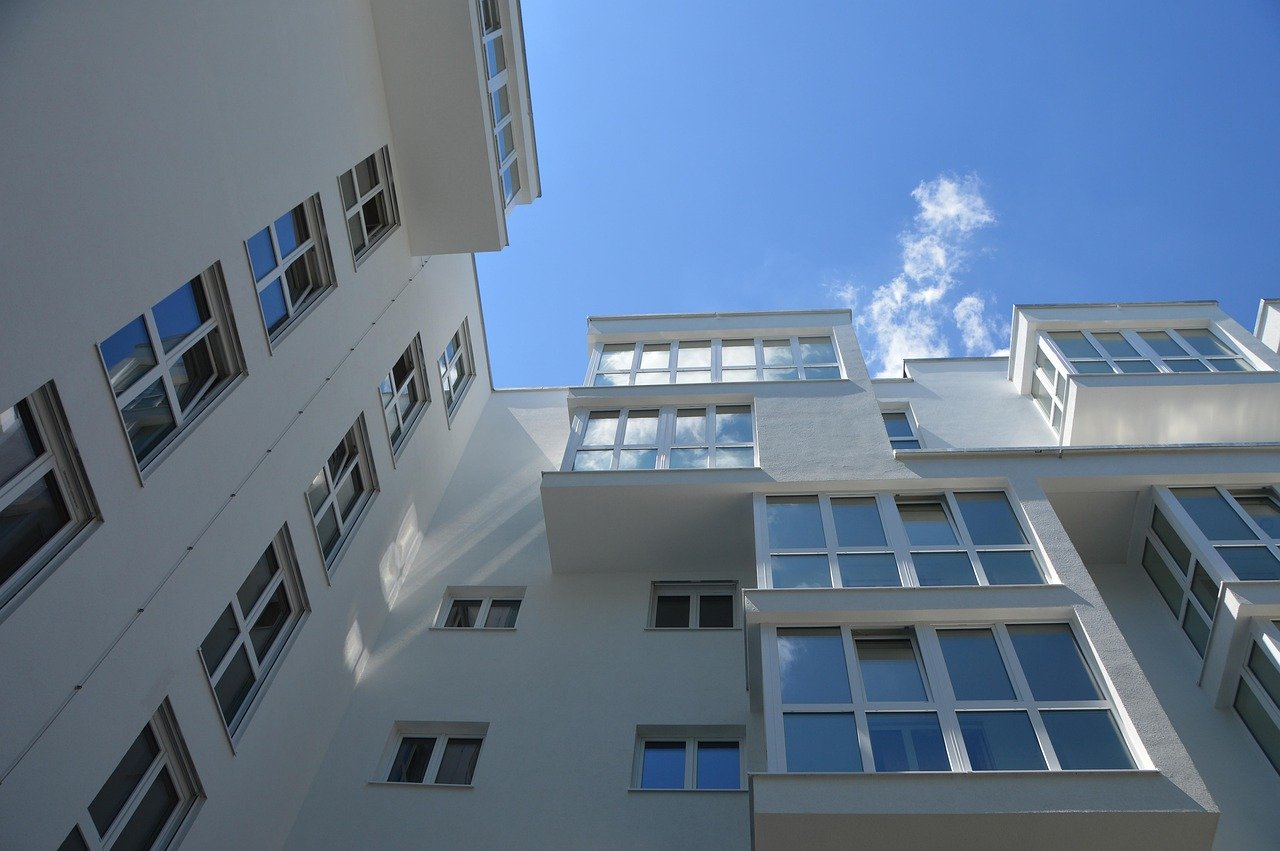
Modern co-living spaces are designed with thoughtful aesthetics and functionality in mind. Typically situated in urban hubs, these spaces often feature contemporary architecture, eco-friendly materials, and smart technology. Amenities might include rooftop terraces, co-working spaces, gyms, and communal kitchens—all designed to enhance the lifestyle of residents. By offering aesthetically pleasing and practical environments, co-living spaces not only meet the needs of residents but also contribute to a vibrant local culture.
Cultural Diversity
Co-living spaces often attract a diverse group of people, including international travelers and expatriates. This melting pot of backgrounds allows for cultural exchange, enriching residents’ experiences while living in urban settings. The diverse community promotes understanding and fosters friendships that might not occur in more traditional living environments. Living alongside individuals from various cultures can provide numerous learning opportunities and create a well-rounded community life.
Sustainability and Eco-Friendly Practices
Sustainability is increasingly becoming a priority for urban dwellers. Many co-living spaces incorporate eco-friendly practices into their design and day-to-day operations. This can include energy-efficient appliances, water-saving fixtures, and sustainable building materials. Additionally, some co-living operators implement community gardens and promote zero-waste initiatives, encouraging residents to embrace greener lifestyles. By prioritizing sustainability, co-living arrangements appeal to environmentally-conscious individuals, promoting a lifestyle that aligns with their values.
Technological Integration
Technology plays a pivotal role in the functionality of modern co-living spaces. Smart-home systems allow residents to control lighting, heating, and security via mobile apps, creating a seamless and convenient living experience. Furthermore, high-speed internet access is integral for many residents, facilitating remote work and digital communication. Many co-living spaces invest in advanced security measures such as keyless entry and surveillance, providing peace of mind for residents.
Challenges of Co-Living
Despite their many advantages, co-living spaces are not without challenges. Privacy can be an issue, as sharing space with multiple individuals requires a level of compromise and understanding. Residents must navigate shared living dynamics, which can lead to conflicts if not managed appropriately. Additionally, while many co-living operators maintain high standards of living, inconsistency in management can result in differing experiences across various locations.
The Future of Co-Living
As urbanization continues to grow, so too will the demand for innovative housing solutions. Co-living spaces are well-positioned to address the needs of modern urban dwellers, especially as the workforce evolves with remote and flexible work arrangements. The future may see the emergence of even more specialized co-living environments, focused on particular demographics or interests, such as artists, wellness enthusiasts, or tech professionals. As the concept gains traction, co-living could redefine the landscape of urban housing.
Co-Living vs. Traditional Housing
When comparing co-living to traditional housing options, the differences are stark. Co-living allows for greater flexibility, community engagement, and often comes with a lower financial barrier. This model contrasts sharply with the inflexible long-term commitments and isolated living that characterize many apartment rentals. Prospective residents are increasingly drawn to the cooperative spirit of co-living, which fosters both personal growth and social connection.
Conclusion
Co-living spaces present a modern solution for urban living challenges, combining affordability and community spirit in ways that traditional housing solutions cannot. The balance of private and shared living, along with the incorporation of contemporary design and technology, makes co-living an attractive option for those navigating the complexities of city life. As cities continue to evolve, co-living will likely play a pivotal role in shaping urban development.
