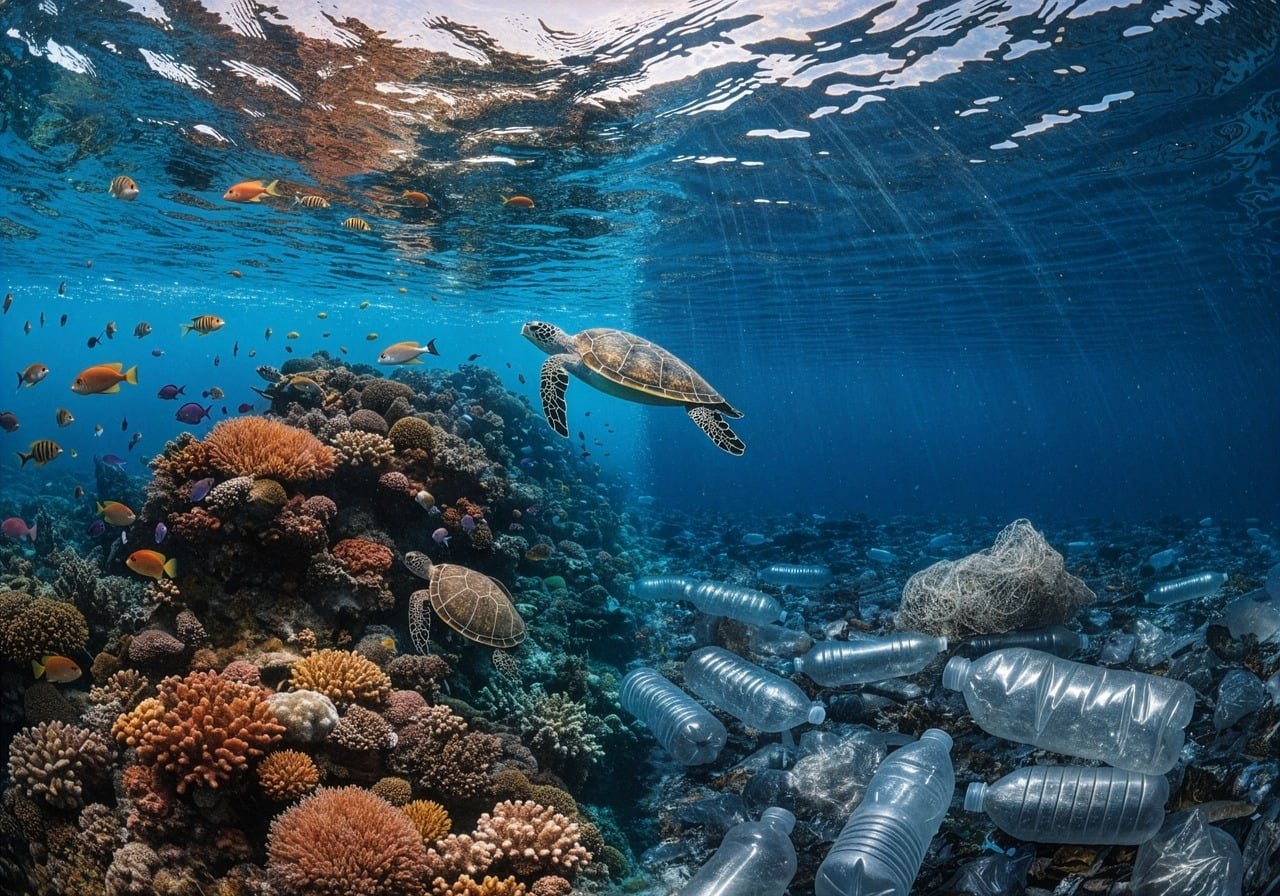

Coastal Conservation: New Island Initiatives for Sustainable Development
Understanding Coastal Ecosystems
Coastal ecosystems are some of the most diverse and productive environments on Earth. They encompass a variety of habitats, including beaches, dunes, mangroves, coral reefs, and estuaries. These ecosystems provide crucial services, including storm protection, carbon sequestration, and habitat for countless species. In recent years, however, human activities such as pollution, urban development, and climate change have increasingly threatened these vital areas.
The Importance of Coastal Conservation
Coastal conservation is essential for maintaining the ecological balance and sustainability of these areas. Effective conservation efforts can mitigate the impacts of climate change, such as rising sea levels and increased storm frequency. Biodiversity preservation in coastal zones is not just an environmental issue; it directly affects the livelihoods of millions of people who depend on these resources for their wellbeing and economic stability.
New Island Initiatives in Coastal Conservation
Several innovative initiatives aimed at sustainable development in coastal areas are emerging worldwide. Here are some noteworthy examples:
1. Sustainable Tourism Practices
Several island nations are leveraging their natural beauty to promote sustainable tourism. Initiatives such as eco-resorts, guided nature tours, and wildlife sanctuaries encourage tourists to engage with the environment responsibly. Many programs also include educational components that highlight the importance of coastal conservation. An example can be seen in the Maldives, where resorts are implementing measures to protect coral reefs while promoting eco-friendly tourism.
2. Community-Based Conservation Projects
Community involvement is pivotal in successful conservation initiatives. Programs that empower local populations to manage their natural resources increase sustainability. In places like Fiji, community-led marine protected areas (MPAs) have emerged. Local fishermen are directly involved in monitoring fish stocks and enforcing regulations, resulting in healthier fisheries for generations to come.
3. Restoration of Natural Habitats
Restoration projects are integral to revitalizing degraded ecosystems. Initiatives aimed at restoring mangroves, seagrasses, and coral reefs have gained momentum in different regions. For example, in the Caribbean, organizations are working to restore coral reefs using innovative techniques such as coral gardening and propagation. These initiatives soak up carbon, support biodiversity, and act as natural barriers against storm surges.
4. Climate Resilient Infrastructure
Coastal communities are developing infrastructure that mitigates the impacts of climate change. Innovative designs such as living shorelines—where natural materials are used to stabilize the coast rather than concrete—can reduce erosion and enhance habitats. In the Philippines, local governments are incorporating climate considerations into urban planning, focusing on resilient designs that protect both people and natural habitats.
5. Green Technology and Renewable Energy
The integration of green technology is reshaping coastal conservation efforts. Solar and wind energy projects on islands reduce reliance on fossil fuels, and marine energy can harness ocean tides and waves. In places like Niue and Tokelau, initiatives to shift towards renewable energy have drastically cut carbon emissions, supporting both environmental health and sustainable development.
6. Scientific Research and Monitoring
Robust scientific research forms the backbone of effective conservation efforts. Collaboration between academic institutions, NGOs, and local communities is essential for gathering data on ecosystem health. For instance, the US-based Coastal Wetlands Initiative conducts extensive monitoring to assess the effectiveness of restoration projects in real-time, allowing stakeholders to adapt strategies as necessary.
7. Sustainable Agriculture
Agriculture in coastal areas often faces challenges such as salinity and climate variability. Innovative practices, such as aquaponics and agroecology, are being adopted to enhance food security while minimizing environmental impact. In Hawaii, local farmers are turning to traditional Hawaiian practices that incorporate permaculture and sustainable water management, helping restore ecological balance while producing food.
8. Policy Frameworks and Legislation
Effective policy frameworks are critical for ensuring the sustainability of coastal conservation initiatives. Legislation such as marine spatial planning can guide the sustainable use of ocean resources, balancing development and conservation. For instance, New Zealand’s Integrated Coastal Management (ICM) framework serves as a model by emphasizing cooperation amongst stakeholders, fostering community involvement in coastal planning.
9. Education and Awareness Campaigns
Education plays a crucial role in promoting sustainable coastal practices. Initiatives targeting schools, communities, and tourists raise awareness about the importance of coastal ecosystems. Programs that encourage citizen science—where volunteers assist in data collection and monitoring—have proven effective in engaging communities while increasing public knowledge about coastal issues.
Challenges in Coastal Conservation
Despite the progress made in coastal conservation initiatives, significant challenges persist. Climate change remains the most pressing concern, bringing unpredictable weather patterns, increased flooding, and loss of biodiversity. Moreover, funding for conservation projects is often limited, necessitating creative solutions and strong partnerships among various stakeholders.
The Role of International Collaboration
International collaboration is vital in addressing issues that transcend national boundaries. Agreements such as the Paris Accord underline the need for collective action in combating climate change. Coastal nations must work together to share best practices, technologies, and funding resources. Regional networks focused on coastal resilience can foster innovative solutions tailored to the unique challenges faced by island communities.
The Future of Coastal Conservation
As awareness grows regarding the importance of coastal conservation, the movement towards sustainable development will continue to evolve. The incorporation of indigenous knowledge, the advancement of technology, and community engagement will drive future initiatives. Emphasizing a holistic approach that prioritizes environmental health, community wellbeing, and economic stability is fundamental for ensuring the longevity of coastal ecosystems.
Additional resources, funding, and policy support will be crucial in implementing these innovative strategies. By investing in and prioritizing coastal conservation efforts, societies can protect fragile ecosystems while ensuring sustainable livelihoods for future generations.
