
The Evolution of Mixed-Use Developments in Urban Planning
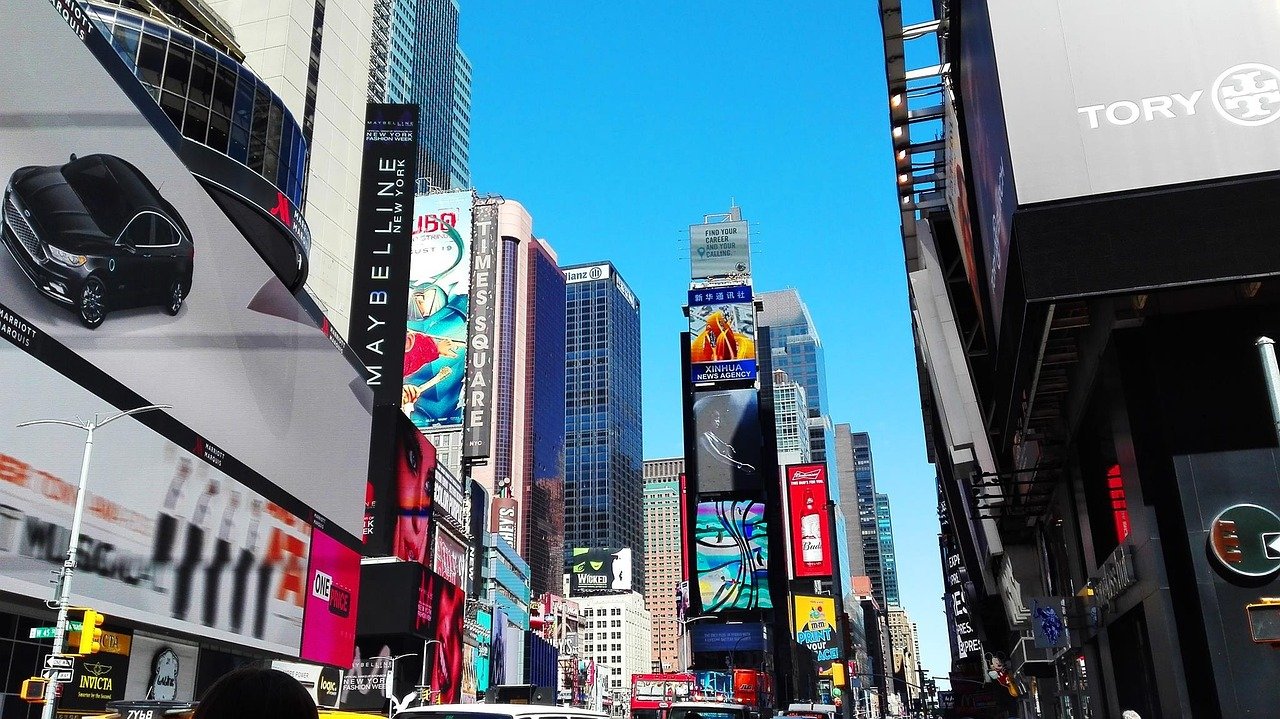
The landscape of urban development in the United States has undergone a substantial transformation over the past two decades. Mixed-use developments (MUDs) have emerged as a critical component in the urban renewal and revitalization efforts undertaken by Corporate America. These developments blend residential, commercial, and recreational spaces, positioning themselves as vibrant hubs of activity and community engagement.
Benefits of Mixed-Use Developments
Enhanced Livability
One of the most significant advantages of mixed-use developments is the enhancement of livability in urban environments. By incorporating residential units, office spaces, and retail outlets within a single location, these developments provide residents with easy access to essential services. The convenience of having daily needs, such as grocery stores, fitness centers, and entertainment options, within walking distance fosters a pedestrian-friendly lifestyle.
Economic Viability
Mixed-use developments have proven to be economically viable in dense urban settings. Corporations recognize that consumers prefer shopping, dining, and working in environments that offer versatility and convenience. By investing in MUDs, businesses benefit from increased foot traffic, leading to higher sales and enhanced brand visibility. Additionally, these developments often attract diverse demographics, ensuring a steady stream of customers throughout the day and evening.
Sustainability
Sustainability is increasingly at the forefront of Corporate America’s agenda, and mixed-use developments align perfectly with this goal. By reducing reliance on vehicles, MUDs promote environmentally friendly commuting, whether through walking, cycling, or public transit. The integration of green spaces, parks, and recreational areas further enhances the ecological footprint of these developments, appealing to environmentally conscious consumers.
Trends Driving Corporate Interest
Urbanization
As urban populations continue to rise, the demand for housing and commercial space in city centers increases. Corporations are recognizing the potential for MUDs to meet these needs effectively. This trend is particularly evident in metro areas where millennials and younger generations are seeking vibrant living arrangements that offer a blend of work and lifestyle opportunities.
Remote Work Dynamics
The COVID-19 pandemic accelerated the adoption of remote work, leading to a significant transformation in how people view work-life balance. Many companies are now rethinking their real estate strategies, favoring mixed-use developments that facilitate flexible working conditions. Developers are designing office spaces that are integrated into vibrant communities, allowing employees to blend their professional and personal lives smoothly.
Government Incentives
Local governments are increasingly offering incentives for mixed-use developments in an effort to revitalize urban spaces. Tax breaks, grants, and expedited permitting processes encourage private investment in these projects. Corporations are keen to capitalize on these opportunities, reducing initial investment costs while contributing to the revitalization of urban areas.
Corporate Case Studies
The Domino Sugar Factory Redevelopment
One of the most notable examples of mixed-use development is the transformation of the Domino Sugar Factory site in Brooklyn, New York. This 11-acre site is being redeveloped into a project that will include residential apartments, retail shops, and public parks. The decision by developers and investors to engage in a mixed-use model reflects Corporate America’s growing interest in revitalizing historic sites while providing modern amenities to the community.
The High Line in New York City
The High Line, a former elevated railway transformed into a linear park, has spurred mixed-use development along its path. It has become a catalyst for numerous projects that combine residential, commercial, and green spaces. Corporations have flocked to this area, drawn by the increased foot traffic and the innovative environment that the High Line has created.
Challenges in Mixed-Use Development
Regulatory Hurdles
Despite the benefits, mixed-use developments often face regulatory challenges. Zoning laws may not always accommodate the blend of residential and commercial spaces, requiring lengthy approval processes. Corporations must navigate these hurdles carefully, often engaging in extensive lobbying and community outreach to gain the necessary approvals.
Financing and Investment
Securing financing for mixed-use developments can be challenging due to their complexity. Investors may be hesitant to commit to projects that blend multiple uses, as the risks are perceived to be higher than traditional single-use developments. Corporate investors must conduct thorough market analyses and feasibility studies to ensure the financial viability of MUDs.
Community Resistance
Community resistance is another challenge that corporate developers face. Local residents may oppose mixed-use projects due to concerns over increased traffic, noise, and changes in community character. Engaging stakeholders early in the planning process is crucial for corporations to address concerns and build support for their development plans.
Future Outlook for Mixed-Use Developments
As urban areas continue to evolve, the future of mixed-use developments looks promising. The growing trend toward urbanization, combined with changing work dynamics and a push for sustainable living, will likely drive the expansion of MUDs throughout the United States. Corporations that embrace this trend will be well-positioned to meet the demands of modern consumers seeking convenience and community.
Conclusion: The Path Forward
In summary, mixed-use developments represent a significant shift in corporate real estate strategy within Corporate America. By fostering community connections, enhancing livability, and promoting sustainability, these developments stand to reshape the urban landscape. As companies continue to invest in innovative mixed-use projects, they will play a formidable role in defining the future of American cities, making them more vibrant, diverse, and connected. The growing interest in mixed-use developments signals a new era of urban living—one that prioritizes the needs and preferences of modern society.
