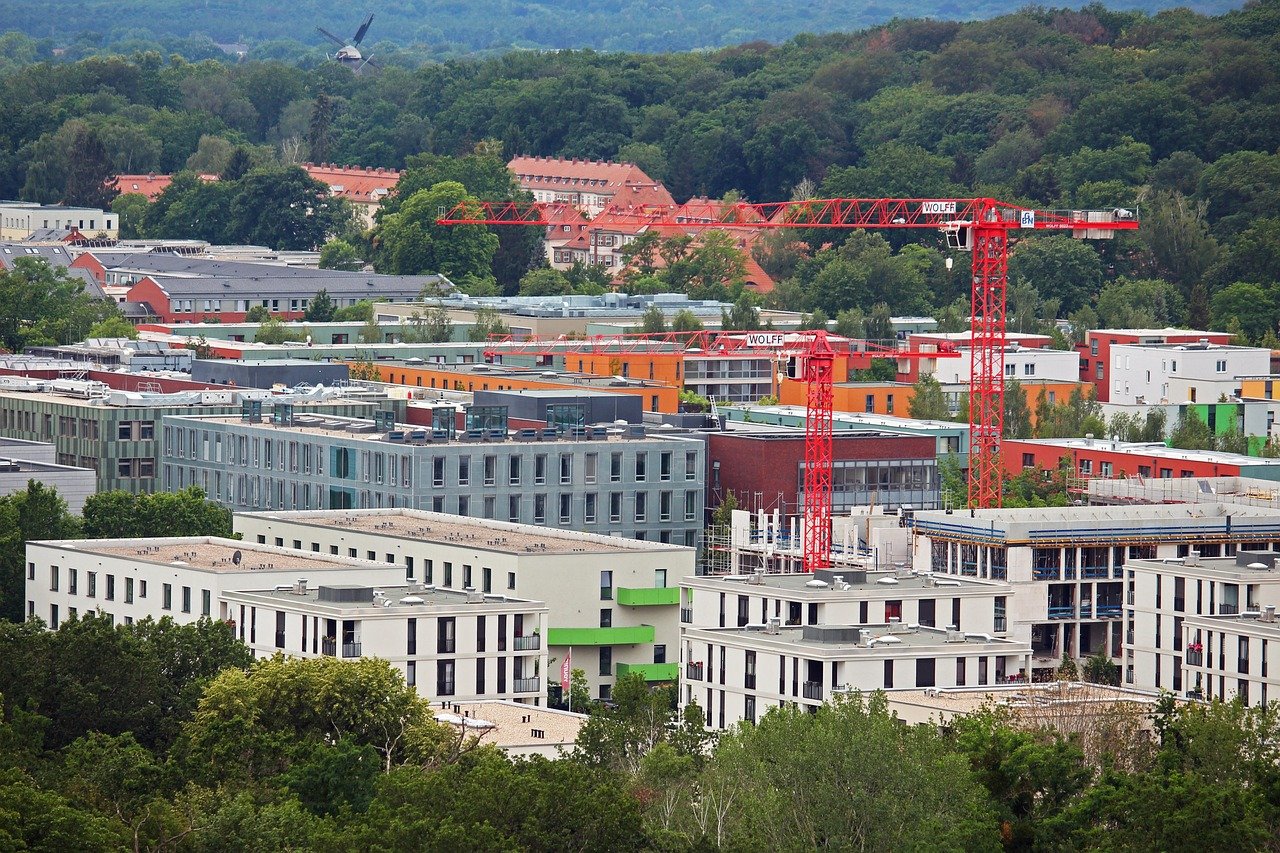

Designing for Diversity: Inclusive Features in American Apartment Complexes
Understanding Inclusive Design
Inclusive design is the practice of creating environments that accommodate a diverse range of people. When applied to apartment complexes, inclusive design principles ensure that individuals of all abilities, ages, and backgrounds can navigate, live, and thrive in their homes. This approach not only reflects a commitment to social responsibility but also recognizes that diversity enriches communities. With that in mind, several key features can be highlighted in the design of American apartment complexes to promote inclusivity.
Universal Design Principles
-
Accessibility
The cornerstone of inclusive design is accessibility. Apartment complexes must comply with the Americans with Disabilities Act (ADA) guidelines, ensuring clear and unobstructed pathways, wide doorways, and easy access to elevators. Accessible entrances with ramps and automatic doors facilitate ease of entry for those using mobility devices. Inside, accessible layouts can minimize obstacles and provide adaptable space for varied needs.
-
Adaptive Features
Flexibility is critical. Apartment units should be designed to accommodate a variety of adaptive features such as grab bars in bathrooms, adjustable kitchen countertops, and removable cabinetry for wheelchair access. This adaptability allows occupants to customize their living spaces according to their specific needs, enhancing comfort and safety.
Community Spaces
-
Multi-functional Common Areas
Designing community spaces that cater to many demographics can foster interaction among residents. Multi-functional areas equipped with seating arrangements suitable for all ages and abilities encourage social engagement. Spaces for activities, such as cooking classes, art sessions, or communal gardens, can promote inclusivity while facilitating networking and community-building.
-
Play Areas for All Ages
Incorporating play spaces that cater not only to children but also to adults, seniors, and individuals with disabilities is vital. Inclusive playgrounds equipped with sensory-friendly equipment can accommodate diverse users, focusing on interactivity and fun, thereby strengthening neighborhood connections.
Technological Integration
-
Smart Home Features
Technological advancements can significantly enhance living experiences in apartment complexes. Smart features such as voice-activated devices can aid residents with mobility challenges, allowing them to control lighting, heating, and security systems effortlessly. Additionally, apps designed for community engagement can keep residents updated about events, fostering a sense of belonging and connectivity.
-
Emergency Preparedness
An inclusive apartment complex must implement emergency preparedness measures to ensure safety for all residents. Visual alarms, tactile markings, and clear signage are essential for those with hearing or visual impairments. Regular safety drills and clear communication plans can also empower residents to be proactive and aware during emergency situations.
Sustainable and Healthy Living
-
Biodiversity and Green Spaces
Biophilic design—integrating nature into living environments—has been shown to enhance residents’ overall well-being. Apartment complexes should include green spaces with diverse vegetation, such as community gardens, meditation areas, and green roofs. Such eco-friendly environments can vary in accessibility levels, offering tranquil spaces for socialization, relaxation, and ecological benefits.
-
Integrated Wellness Facilities
Health and wellness facilities such as fitness centers and yoga studios should consider varying abilities through adaptive equipment and varied class offerings. Accessibility to these spaces assures that every resident can utilize facilities regardless of their fitness level. Furthermore, features like outdoor walking paths designed with sensory elements can promote an active and engaged lifestyle.
Cultural Sensitivity
-
Cultural Spaces
Recognizing the cultural diversity of residents is crucial in fostering inclusion in apartment complexes. Designating areas, such as multi-faith prayer rooms or community gathering spaces, can offer residents a place to observe their traditions. Multi-language signage and brochures also provide vital information to non-English speaking residents, ensuring everyone feels seen and respected.
-
Customizable Living Spaces
Allowing personalization of living spaces can empower residents and cultivate a sense of ownership. Providing options for wall colors, flooring, or even furniture styles enables residents to express their individuality, fostering emotional connections to their homes.
Sustainable Transportation Options
-
Bike and Car Sharing Facilities
Incorporating bike-sharing stations and designated rideshare pick-up areas encourages eco-friendly transportation. Additionally, providing easy access to public transportation through strategic placement of bus stops or shuttle services can assist residents without personal vehicles, promoting diversity in mobility.
-
Designated Parking Spaces
Creating designated parking areas for residents with diminished mobility, as well as electric vehicle charging stations, reflects a commitment to accommodating various needs—important for residents who may rely on different forms of transportation.
Safety and Security Features
-
Safe Designing for Visibility
Crime prevention through environmental design (CPTED) principles should guide layout planning. Ensuring that pathways, stairwells, and entrances are well-lit and visible increases residents’ sense of security. Establishing community surveillance through lighting design and strategically placing windows can promote a safe living environment.
-
Strong Community Relations
Community programs aimed at fostering relations among residents can create a sense of trust and security. Activities such as neighborhood watch programs or block parties not only enhance safety but also contribute to collective community care, establishing a supportive environment for everyone.
Innovative Marketing Strategies
-
Diverse Outreach Programs
To attract a diverse demographic, apartment complexes can employ outreach strategies emphasizing their commitment to inclusivity. Utilizing various marketing channels, including social media and community events, can effectively engage potential residents from different cultural backgrounds.
-
Partnerships with Local Organizations
Collaborating with non-profits or community organizations focused on disability rights and inclusivity can enhance outreach efforts. Offering workshops, cultural events, and awareness campaigns will help position the apartment complex as a welcoming and supportive environment.
Feedback and Continuous Improvement
-
Resident Feedback Mechanisms
Implementing regular feedback systems allows residents to express their needs. This can be through suggestion boxes, surveys, or resident meetings, ensuring that the community remains well-adapted and responsive to changing demographics.
-
Adaptive Management Practices
Prioritizing maintenance and adaptability in management practices is essential for the longevity of inclusivity features. Regular assessments of facilities, and implementing residents’ input, ensure apartment complexes continue to meet diverse needs.
Designing for diversity is not merely a trend but a necessity that enriches the fabric of American apartment complexes. Inclusive features cater to everyone, from families to older adults and individuals with disabilities, uplifting community spirit and enhancing the quality of life for all residents. An apartment complex grounded in diversity is bound to be a thriving community, serving as a benchmark for future developments across the nation.
