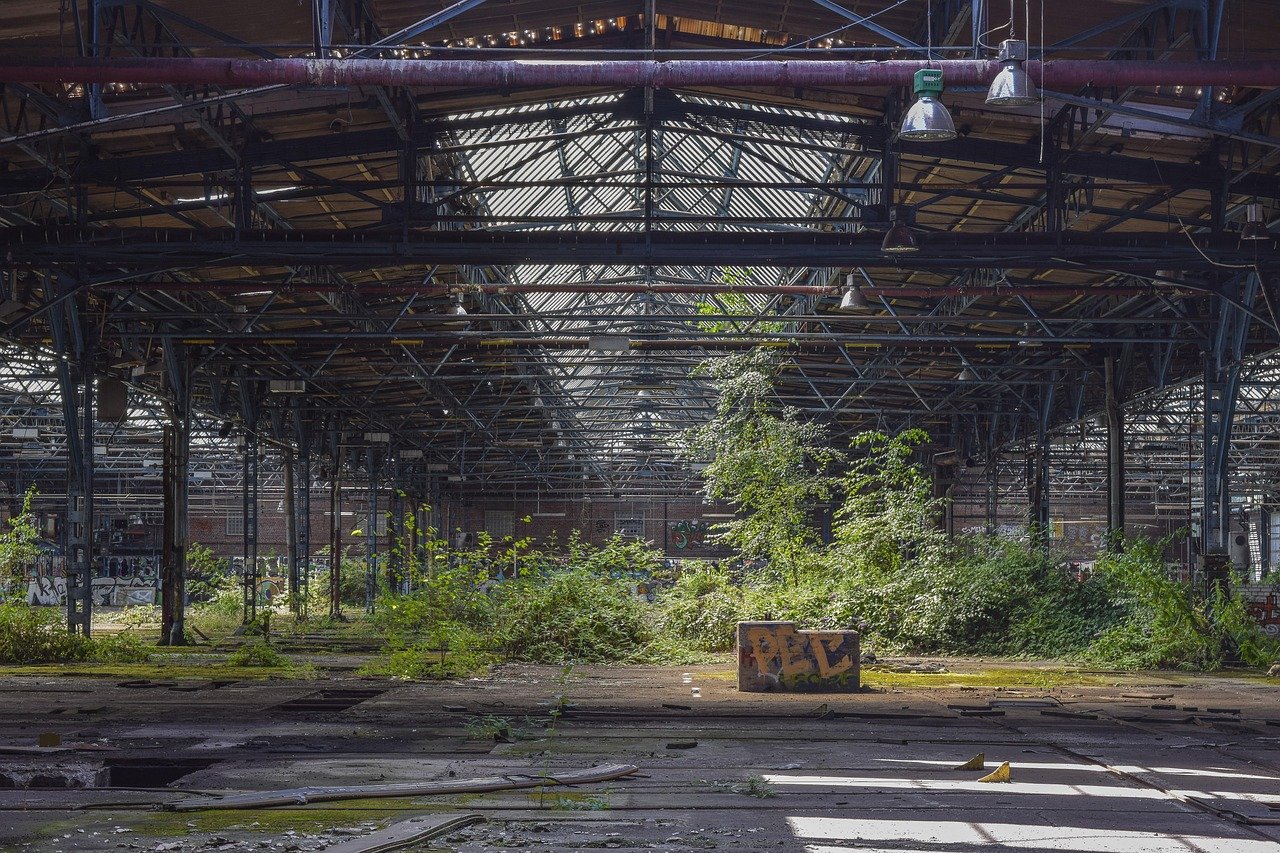

Understanding Emerging Markets in Industrial Real Estate
The Rise of Secondary Cities
In recent years, the global real estate landscape has seen a significant shift towards secondary cities in emerging markets. Industrial real estate, which includes warehouses, distribution centers, and manufacturing facilities, has become increasingly attractive to investors and businesses alike. These secondary cities—often overshadowed by metropolitan hubs—are experiencing growth driven by infrastructure improvements, economic diversification, and shifting demographics.
Factors Driving Growth in Secondary Cities
1. Infrastructure Development
Governments are increasingly recognizing the need for robust infrastructure to support economic growth. With investments in transportation networks, logistics hubs, and utilities, secondary cities are becoming more accessible. Enhanced connectivity reduces shipping times, lowers logistics costs, and ultimately attracts industries looking for efficient operations.
2. Economic Diversification
Many secondary cities are pivoting away from traditional industries to embrace technology, manufacturing, and logistics. For example, cities that once relied heavily on agriculture are now fostering tech parks and manufacturing zones. This diversification not only stabilizes local economies but also bolsters demand for industrial space.
3. Population Growth and Urbanization
Urbanization trends are driving population growth in secondary cities. As people migrate from rural areas or smaller towns, the demand for housing, services, and industrial space follows. These cities are witnessing a surge in population, leading to increased consumption and, consequently, higher demand for industrial properties.
Key Characteristics of Emerging Markets
1. Cost-Effectiveness
Emerging markets generally offer lower operational costs relative to primary markets. Businesses benefit from reduced overhead, including rent, labor, and utilities, making secondary cities appealing for expansion or relocation. The affordability of land and real estate, coupled with favorable incentives, makes these areas attractive for industrial investment.
2. Favorable Regulation and Tax Incentives
Governments in emerging markets often extend tax benefits or regulatory advantages to foreign and domestic firms investing in their regions. Special Economic Zones (SEZ) are a prime example, offering businesses reduced tax rates and simplified processes for establishing operations.
3. Workforce Availability
Secondary cities typically boast a growing talent pool, often at a fraction of the cost found in major urban centers. As educational institutions expand and vocational training programs align with industry needs, businesses stand to benefit from a skilled, yet affordable workforce.
Investment Opportunities in Industrial Real Estate
1. Logistics and Distribution Centers
As e-commerce continues to flourish, the need for efficient logistics and distribution centers is more pressing than ever. Secondary cities positioned near major highways and railroads provide ideal locations for these facilities. Investors targeting industrial real estate in these regions can capitalize on the growing demand for fast delivery times.
2. Warehousing
The warehousing sector is poised for significant growth in emerging markets as businesses seek to optimize inventory management and last-mile delivery. Modern warehousing solutions, including automated systems and smart technology integration, are being implemented to meet evolving consumer demands.
3. Manufacturing Facilities
Secondary cities are becoming attractive locations for manufacturers drawn by lower costs and access to raw materials. Companies looking to establish or expand manufacturing capabilities find unique opportunities in these markets, particularly as trade policies and supply chains evolve.
Challenges and Considerations
1. Market Maturity
While emerging markets often present high potential, investors must carefully evaluate market maturity. Secondary cities may lack the same level of infrastructure and development framework as their primary counterparts. Comprehensive due diligence is imperative to identify locations with growth potential and physical asset readiness.
2. Political Stability
Political risk can significantly affect real estate investment outcomes. Emerging markets can experience fluctuations due to changes in governance, policy direction, or social unrest. Investors should monitor the political landscape and assess potential impacts on their investments.
3. Regulatory Barriers
Despite incentives, regulatory hurdles can still exist, complicating real estate transactions and operations. Familiarizing oneself with local laws and engaging with local stakeholders can mitigate risk and ensure compliance.
Case Studies: Successful Industrial Real Estate Investments
1. Guadalajara, Mexico
Mexico’s Guadalajara has emerged as a central hub for manufacturing, especially in the technology and automotive sectors. With established supply chains and a growing labor market, companies such as Flextronics and Jabil have set up state-of-the-art facilities, driving demand for industrial real estate and boosting local economies.
2. Ho Chi Minh City, Vietnam
Vietnam’s rapid economic growth has shifted the industrial focus towards Ho Chi Minh City. As companies seek to diversify their supply chains away from China, the city benefits from strategic investments in logistics and manufacturing facilities. The government’s commitment to enhancing transportation infrastructure further solidifies its position as an industrial center.
3. Porto, Portugal
Porto has witnessed a renaissance, driven by investments in technology and logistics. The city’s strategic location along the Atlantic and vibrant start-up ecosystem make it a compelling choice for distribution and manufacturing. With attractive property prices and government incentives, Porto represents a substantial opportunity for industrial real estate investment.
Future Trends in Industrial Real Estate
1. Sustainability Initiatives
As businesses around the globe prioritize sustainability, industrial real estate in secondary cities will need to adapt. Incorporating green building practices, renewable energy solutions, and sustainable logistics will enhance value and appeal to environmentally-conscious tenants.
2. Technological Integration
The rise of smart logistics and automation in warehouses will redefine operational efficiency. Investors must focus on facilities that can leverage technology for supply chain optimization and enhanced productivity. This trend will be crucial in positioning industrial real estate investments for long-term success.
3. Resilience Planning
The unpredictability of global events, such as pandemics or geopolitical tensions, necessitates a focus on resilient industrial strategies. Investors should consider locations with the ability to adapt quickly to changing market demands and supply chain disruptions, protecting their investment against unexpected challenges.
Conclusion
Focusing on secondary cities within emerging markets for industrial real estate offers a unique blend of opportunity and challenge. Factors such as infrastructure growth, economic diversification, and population influx support expansion, while cost-effectiveness and favorable regulations enhance appeal. By understanding the specific dynamics of these regions, businesses and investors can position themselves to take advantage of the burgeoning opportunities in the industrial real estate sector.
