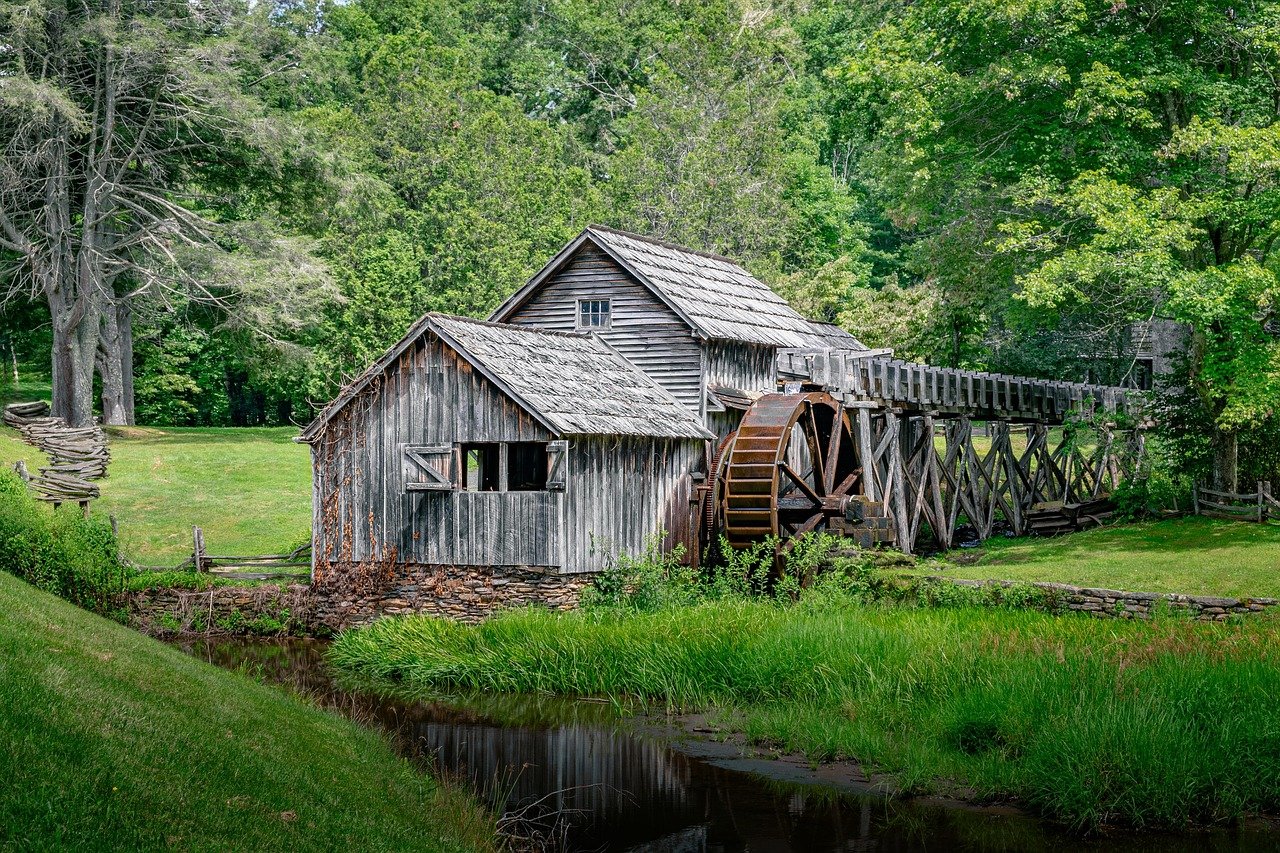

Understanding Biophilic Design
Biophilic design emphasizes the connection between nature and architecture, integrating natural elements into built environments. This approach aims to elevate the well-being of occupants, boost productivity, and create a harmonious balance between urban living and the natural world. It is essential to understand its roots in biophilia—a term coined by the biologist Edward O. Wilson, referring to the inherent human affinity for nature.
Core Principles of Biophilic Design
-
Natural Light: One of the most critical aspects of biophilic design is maximizing natural light. Large windows, skylights, and transparent materials help to immerse occupants in daylight, significantly impacting mood and productivity. Architectural firms often design open spaces that promote daylight access, helping to reduce dependence on artificial lighting.
-
Vegetation: Including plants in design is another cornerstone of biophilic architecture. Features like vertical gardens, indoor plants, and green walls offer aesthetic beauty while improving air quality and providing a sense of tranquility. Research indicates that even small amounts of greenery can reduce stress and enhance psychological well-being.
-
Water Elements: The sound and sight of water can instill a sense of calm. Biophilic design often integrates water features—like fountains, reflecting pools, and streams—that create auditory and visual connections to nature. These elements also enhance the aesthetic quality of spaces and encourage social interaction.
-
Natural Materials: The use of sustainable, natural materials such as wood, stone, and bamboo fosters a connection with the environment. Textures and colors that mirror those found in nature contribute to a warm, inviting atmosphere that resonates emotionally with occupants.
-
Spatial Variety: Dynamic spaces offer opportunities for informal gatherings, quiet reflection, or interactive engagement. Incorporating a mix of open areas, secluded nooks, and varied ceiling heights can enhance user experience, leading to more effective communal and collaborative work.
Biophilic Design in American Architecture
The integration of biophilic principles can be seen in a wide range of American architecture styles—from residential homes to expansive corporate buildings. Recent trends have embraced these principles, highlighting key projects that exemplify biophilic design.
Notable Examples
-
The High Line, New York City: This transformative urban park built on a disused rail line is a stellar example of biophilic design. The High Line integrates native plant species, art installations, and seating areas, creating a natural retreat amidst the urban landscape. It emphasizes the importance of green spaces in densely populated areas.
-
Amazon Spheres, Seattle: These uniquely designed glass structures serve as a workplace and a botanical garden, featuring over 40 species of plants. The biophilic approach enhances employee wellness and collaboration by offering an environment that encourages interaction with greenery and natural light.
-
The Shard, London (influencing U.S. firms): This iconic building, while not in the U.S., has influenced various American designs with its emphasis on green features and natural elements. Forms akin to biophilic concepts can be observed in skyscrapers across cities like Chicago and San Francisco.
Health Benefits of Biophilic Design
Extensive research supports the idea that biophilic design can lead to improved mental and physical health outcomes. Studies have shown that workplaces incorporating biophilic elements enjoy higher employee satisfaction and lower rates of burnout. Specifically, offices with plants can reduce absenteeism by 15%.
Outdoor spaces within corporate campuses encourage physical activity, while exposure to natural light helps regulate circadian rhythms, improving sleep quality and overall productivity. Additionally, spaces featuring natural elements often facilitate social interaction, fostering a sense of community among occupants.
Challenges and Future Directions
Despite the numerous advantages and increasing popularity of biophilic design, several barriers exist. Budget constraints, lack of knowledge, and resistance to change can hinder the adoption of these principles in both public and private projects. Yet, as evidence mounts regarding the health benefits and enhanced user experience afforded by biophilic spaces, many architects are embracing change.
Future architectural trends may include increased reliance on technology to enhance biophilic practices. Smart buildings that optimize natural light and climate conditions through automated systems can make biophilic design more accessible. Architects may also increasingly explore innovative ways to incorporate green infrastructure in urban settings, such as green roofs and expanded urban forests, ultimately contributing to climate resilience.
The Role of Technology in Biophilic Design
Advancements in technology can further enhance biophilic design. Virtual and augmented reality can help designers visualize how natural elements will affect a space before construction, allowing for refined adaptations. Additionally, building information modeling (BIM) tools can simulate how light and shadows interact with the environment, leading to more effective designs that prioritize natural elements.
Conclusion
Biophilic design stands as a pioneering movement in American architecture, with momentum growing steadily as the pressing need for the integration of nature becomes evident. As cities continue to develop, the principles of biophilia will play a crucial role in creating spaces that foster health, happiness, and productivity. By valuing nature’s presence in design, architects and developers can create vibrant, sustainable environments that resonate with the human spirit, tackle urban challenges, and redefine our interactions with the built environment. The future of American architecture lies in recognizing and embracing these vital connections.
