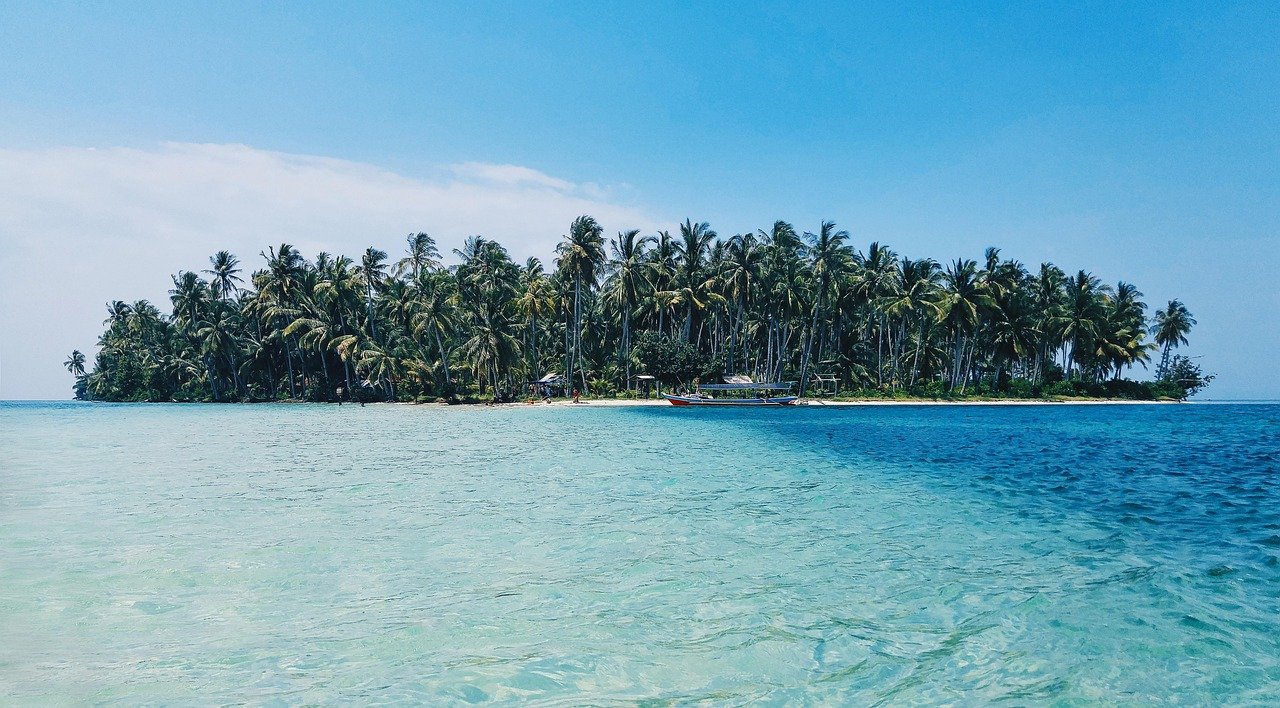

Understanding U.S. Island Tourism Dynamics
The U.S. is home to numerous islands that boast unique cultures, breathtaking landscapes, and vibrant ecosystems. These islands include tourist magnets like Hawaii, the Florida Keys, and the U.S. Virgin Islands. The tourism sector acts as a catalyst for real estate demand on these islands, influencing property values, investment trends, and the overall economic landscape. Understanding this relationship is crucial for stakeholders in the real estate market and the tourism industry.
The Influence of Tourism on Real Estate Demand
Property Appreciation
Tourism generates demand for various types of real estate, including vacation homes, rental properties, and luxury estates. As an influx of tourists arrives, the competition for limited inventory drives prices upward. For instance, Hawaii has seen significant appreciation in real estate values over the past few decades due to its status as a premier tourist destination. Investors and homeowners alike benefit from this trend as property values increase, creating a prosperous environment for real estate.
Short-Term Rentals
The rise of platforms like Airbnb and VRBO has drastically transformed the market for short-term rentals. Many islands have capitalized on this trend. For example, on the Florida Keys, many owners convert their properties into vacation rentals, generating substantial income from tourists. However, this shift has led to concerns about housing shortages for locals, necessitating regulations to balance tourism revenue and community needs.
Fluctuations in Seasonal Demand
Peak and Off-Peak Seasons
Real estate trends on U.S. islands often correlate with seasonal tourism patterns. This can create fluctuations in demand that impact property investments. For instance, islands like Maui experience a peak tourist season during the winter months, leading to increased property rental prices. Conversely, during the offseason, demand for real estate may diminish, impacting both rental yields and property values.
Buying Opportunities
Savvy investors often take advantage of these seasonal trends to acquire properties at lower prices during off-peak times. Analyzing seasonal tourist patterns enables potential buyers to forecast the best times for investment and rental opportunities, impacting overall return on investment (ROI).
Infrastructure Development and Real Estate Growth
Tourism-Driven Development
Increased tourism necessitates improvements in infrastructure, such as roads, airports, and utilities. When local governments invest in infrastructure to support tourism, it indirectly boosts the real estate market. For example, the construction of new hotels and resorts leads to job creation, requiring additional housing for workers, which further escalates real estate demand.
Sustainability Considerations
Sustainable tourism has gained traction, leading to more eco-friendly developments on islands. Properties that align with sustainability practices, such as using renewable energy sources or incorporating eco-detailing, attract environmentally conscious tourists and investors. In islands like Puerto Rico, where eco-tourism is prevalent, properties that merge luxury with sustainability often fetch premium prices.
The Role of Demographics in Real Estate Trends
The Affluent Tourist Market
Many U.S. islands attract affluent tourists, leading to a high demand for luxury real estate. Wealthy individuals from the mainland often seek vacation homes on picturesque islands, increasing demand for high-end properties. In areas like the Hamptons, for instance, the zoned regulations and limited land availability create exclusivity, boosting property values.
Aging Populations and Remote Work
An interesting demographic shift is the rise of remote work, especially post-pandemic. Many individuals and families are moving to desirable locales for longer periods or even permanently, impacting real estate demand. Islands that offer an attractive lifestyle paired with good connectivity now see a rising interest for both rental and purchase from remote workers. This demographic trend has created an opportunity for real estate developers to cater to a novel market seeking long-term stay options.
Regulatory Considerations Affecting Real Estate Markets
Zoning Laws and Rent Control
Zoning laws can significantly impact real estate trends in highly desirable tourist destinations. Local governments often implement regulations that affect the types of properties allowed to be developed. For instance, certain areas may be zoned exclusively for short-term rentals, while others may prioritize long-term housing. Additionally, restrictions on the number of rental licenses can limit the number of vacation rentals, influencing both investor sentiment and rental prices.
Impact of Environmental Regulations
Many island regions face challenges like rising sea levels and natural disasters, leading to environmental regulations that affect real estate development. In coastal areas, stringent building codes may limit the types and sizes of properties that can be developed. While such regulations can deter certain investments, they also increase property value for compliant properties, further intensifying demand.
The Economic Ripple Effect of Tourism
Job Creation and Local Economies
The tourism economy significantly affects local economies, creating jobs and supporting businesses. Increased tourism leads to higher demand for services ranging from restaurants to retail, which benefits the real estate market indirectly. As local businesses thrive, they contribute to a more stable real estate environment, fostering confidence in investments.
Investment Opportunities for Locals
With tourism boosting the economy, local residents gain opportunities to invest in real estate through programs designed for first-time buyers. Community reinvestment strategies can help residents secure affordable housing while also participating in the booming tourist economy. Programs aimed at helping locals can stabilize the market by increasing homeownership rates among residents.
Conclusion
From enhanced demand for luxury properties to the complexities added by environmental regulations, tourism significantly impacts real estate trends across U.S. islands. Future developments should prioritize sustainability and infrastructure to cater to evolving market demands, ensuring a balanced approach that aligns the interests of both investors and native communities. Understanding these intricate dynamics is paramount for anyone looking to navigate the island real estate market effectively. The continuous cycle of tourism, regulation, and economic impact ultimately shapes the future of real estate in these unique locales.
