
Future Logistics: Combining Automation with Urban Development
The Evolution of Logistics in Urban Environments
Urban areas are the epicenters of commerce, innovation, and population growth. As cities expand, the demand for efficient logistics solutions becomes paramount. The integration of automation in logistics processes offers a transformative approach to address urban challenges. From autonomous delivery vehicles to smart warehouse operations, the future of logistics is paved with technological advancements designed to streamline supply chains and enhance urban living.
The Role of Automation in Logistics
Automation within logistics encompasses a wide range of technologies, including robotics, artificial intelligence (AI), Internet of Things (IoT), and machine learning. These technologies enable companies to optimize operations, reduce costs, and improve service delivery. Automated systems can track inventory, enhance order processing efficiency, and predict consumer demand with remarkable accuracy.
1. Robotics in Warehousing
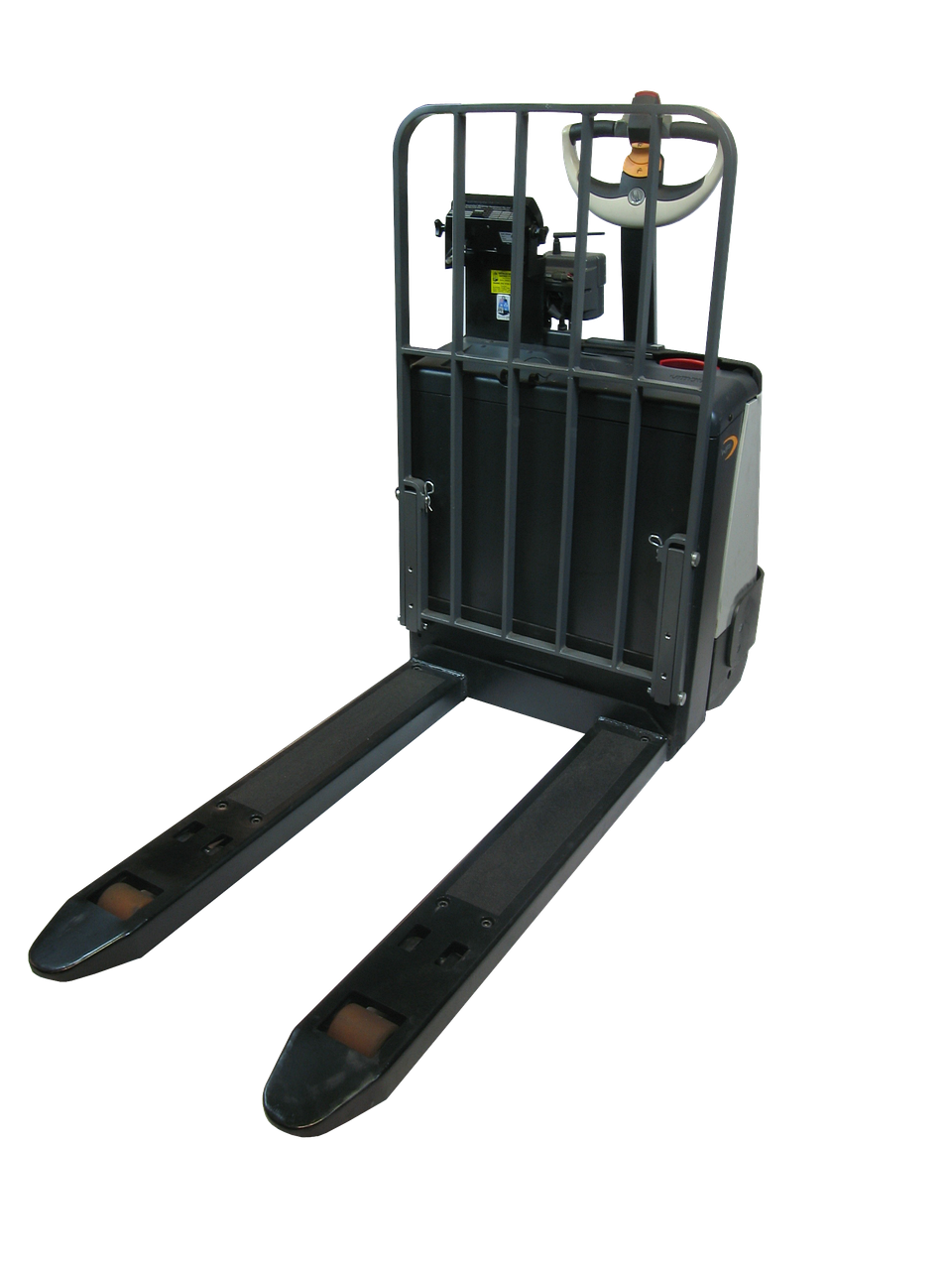
Automated guided vehicles (AGVs) and robotic arms have revolutionized warehousing. Warehouses employing robotics significantly reduce the time needed to fulfill orders. AGVs can transport goods across vast warehouse floors while robotic arms pick and pack items seamlessly. Companies like Amazon and Alibaba are pioneers in this field, with their automated warehouses setting benchmarks for efficiency.
2. Drones and Autonomous Vehicles
Drones are increasingly prevalent in logistics, particularly for last-mile delivery. They bypass traffic congestion and provide swift delivery options directly to consumers. Companies like Zipline have harnessed drones to deliver medical supplies in remote areas, highlighting their potential beyond urban logistics.
Conversely, autonomous ground vehicles are being developed to carry larger shipments in urban settings. These vehicles can navigate complex traffic conditions, offering a sustainable transport solution with reduced emissions compared to traditional delivery trucks.
Smart Urban Infrastructure
The integration of logistics automation in urban development requires an equally smart infrastructure. Urban planners and city officials must work collaboratively with logistics companies to create environments that facilitate automated solutions.
1. Smart Roads and Traffic Management
Smart transportation systems equipped with IoT technology can manage traffic flow and optimize delivery routes in real-time. By analyzing data from various sources, such as sensors and cameras, these systems can minimize congestion, enhancing the efficiency of transportation and logistics operations. For instance, cities like Barcelona are implementing smart traffic lights that adapt to real-time traffic conditions, enabling faster deliveries.
2. Urban Distribution Centers
Establishing urban distribution centers (UDCs) is vital for integrating logistics seamlessly within city landscapes. These hubs act as consolidation points for deliveries, reducing the volume of delivery vehicles on the road. UDCs equipped with automated systems can facilitate quick sorting and dispatching, ensuring goods reach their destinations efficiently. Companies are increasingly exploring UDCs located in key urban areas to ensure effective last-mile logistics.
Sustainable Logistics Solutions
As sustainability becomes a cornerstone of urban development, logistics innovations must align with green initiatives. Automation plays a significant role in promoting sustainability through reduced resource consumption and waste.
1. Electric and Hybrid Vehicles
The shift toward electric and hybrid vehicles in logistics fleets significantly mitigates the environmental impact of urban deliveries. Coupled with automation, these vehicles can operate efficiently, with the ability to optimize routes that minimize energy consumption. Companies like DHL and UPS are investing heavily in electric vehicles, recognizing the long-term benefits for both their operations and the environment.
2. Eco-Friendly Warehousing
Automated warehouses can leverage energy-efficient technologies such as solar panels, energy-efficient lighting, and climate control systems that optimize energy usage. Advanced algorithms can manage energy consumption patterns to further reduce carbon footprints. Integrating these systems into urban infrastructure presents an opportunity for cities to embrace sustainable logistics solutions actively.
Data Integration and Management
Data is the backbone of modern logistics. Integrating data from multiple sources enhances visibility and efficiency across the supply chain.
1. Real-Time Tracking and Visibility
Automation enables real-time tracking of goods, allowing logistics companies to provide updates to consumers instantaneously. Utilizing IoT devices at various points within the supply chain can generate actionable insights, ensuring transparency. This level of visibility empowers businesses to manage inventory effectively, reducing losses and fostering customer trust.
2. Predictive Analytics
AI-driven predictive analytics can analyze historical data and consumer behavior, allowing businesses to forecast demand accurately. By anticipating trends, logistics firms can streamline operations and allocate resources effectively. This approach minimizes waste and ensures that urban areas are supplied efficiently based on consumer needs.
Collaborative Logistics Ecosystems
The future of urban logistics hinges on collaboration across sectors. Public-private partnerships are crucial to developing integrated logistics solutions that benefit all stakeholders.
1. Engaging Local Governments
For effective urban logistics, engagement with local governments is essential. Policymakers can facilitate the necessary infrastructure, zoning regulations, and incentives to support automation efforts. Collaborative initiatives can lead to the creation of dedicated lanes for autonomous vehicles or tax breaks for companies adopting green technologies.
2. Partnerships with Technology Providers
Logistics companies must partner with technology providers to implement automation solutions effectively. Collaboration can foster innovation, ensuring companies remain competitive in an evolving landscape. Startups focusing on logistics technology can also play a pivotal role, injecting fresh ideas and solutions into established logistics ecosystems.
Consumer-Centric Logistics
As logistics evolve, so does consumer behavior. Today’s consumers demand faster deliveries and enhanced service quality. Automation not only meets these demands but also elevates the consumer experience.
1. Enhanced Delivery Options
Automated logistics solutions can offer diverse delivery options, including same-day and time-specific delivery services. Using automated systems to manage customer preferences and delivery schedules ensures that businesses can cater to varying needs. This customization fosters customer loyalty and enhances satisfaction.
2. Improved Communication Channels
Leveraging AI in customer service can streamline communication and resolve issues promptly. Chatbots and automated response systems can handle inquiries, allowing human agents to focus on complex concerns. This enhances the overall customer experience by ensuring that assistance is available when needed.
Challenges and Considerations
Despite the myriad benefits of combining automation with urban logistics, several challenges remain.
1. Infrastructure Limitations
Many urban areas face infrastructure challenges that hinder the adoption of automated solutions. Outdated road networks, inadequate power supply for electric vehicles, and poor connectivity can impede progress. Policymakers must prioritize infrastructure improvements to support innovative logistics solutions.
2. Privacy and Security Concerns
As data becomes central to logistics operations, ensuring the security and privacy of consumer information is critical. Companies must invest in robust cybersecurity measures to protect sensitive data and maintain consumer trust.
3. Job Displacement
The automation of logistics processes raises concerns about job displacement. While automation enhances efficiency, it may render certain roles obsolete. Stakeholders must focus on upskilling workers and creating new opportunities within automated environments.
Conclusion
The convergence of automation and urban development promises a transformative shift in logistics. Through smart infrastructure, sustainable practices, and collaborative ecosystems, cities can embrace a logistics model that meets the demands of the future. As innovations continue to emerge, urban areas will become more livable, efficient, and resilient, setting a benchmark for logistics worldwide. As stakeholders navigate these challenges, proactive measures, and strategic planning will be essential to harness the full potential of automated logistics in urban development.
