
Understanding Island Communities and Climate Challenges
Island communities face unique environmental challenges, primarily due to their geographical isolation and vulnerability to climate change. Rising sea levels, increased frequency of severe weather events, and changes to local ecosystems pose significant risks to the livelihoods and cultures of those living in these areas. This situation has necessitated the emergence of grassroots movements aimed at climate action, focusing on both mitigation and adaptation strategies.
The Rise of Grassroots Movements
Grassroots movements are formed by individuals coming together at the community level to advocate for change. These initiatives typically prioritize local knowledge, emphasizing community engagement, education, and empowerment. In island communities, grassroots movements are often driven by local residents who experience firsthand the impacts of climate change, from coral bleaching to saltwater intrusion in freshwater supplies.
Community-Based Solutions
Local solutions are vital to address unique climate challenges faced by island communities. Community-based initiatives often include:
-
Restoration Projects: Many island communities engage in restoration projects that focus on returning damaged ecosystems to a healthy state. For example, replanting mangroves helps build natural barriers against storm surges and contributes to biodiversity.
-
Sustainable Agriculture: This approach involves implementing eco-friendly farming practices that reduce carbon footprints and enhance food security. Techniques such as permaculture and organic farming help maintain soil health while adapting to climate changes.
-
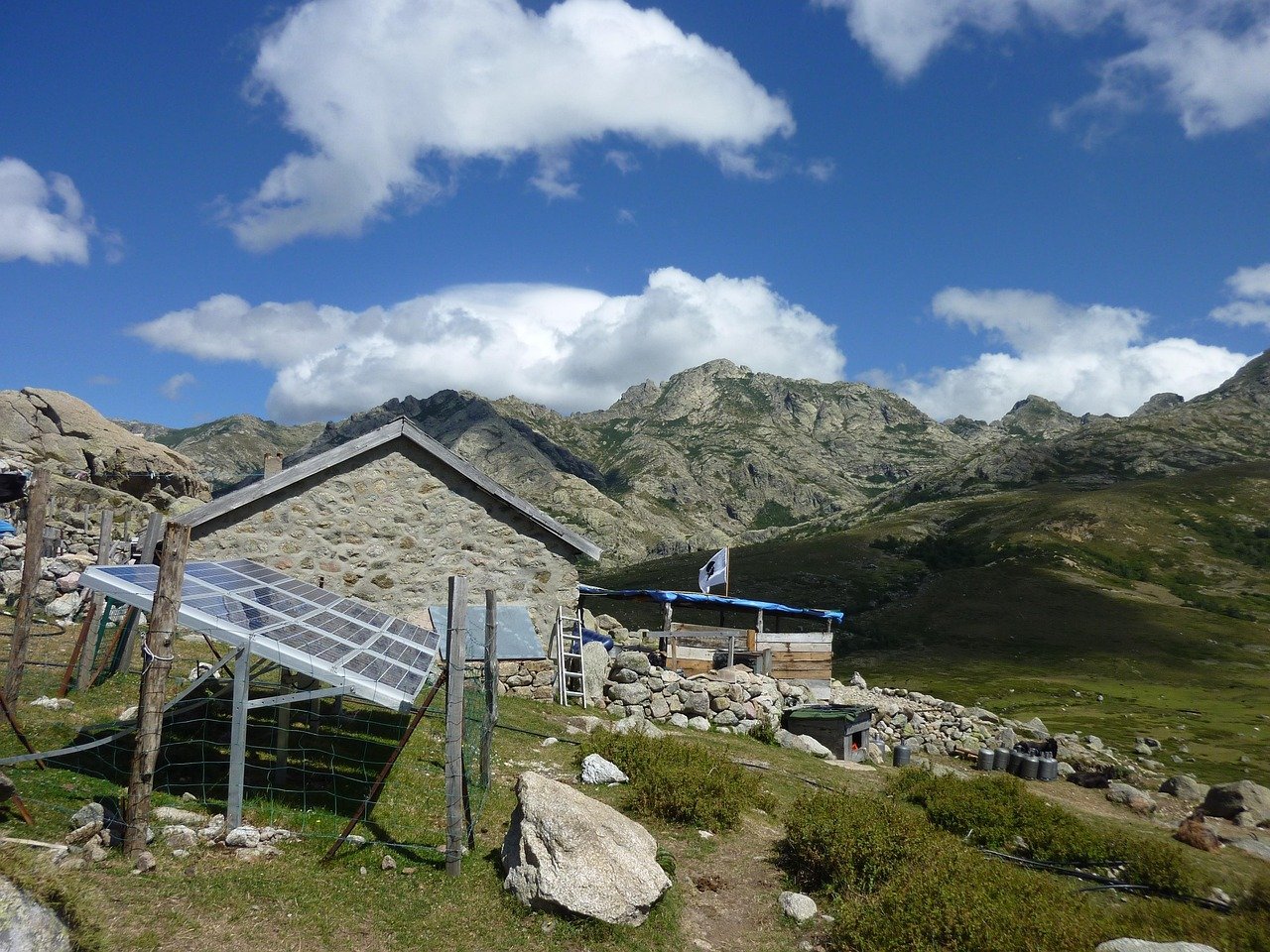
Renewable Energy Initiatives: Islands often rely on imported fossil fuels for energy. Grassroots efforts that promote renewable energy sources—such as solar, wind, and ocean energy—can help these communities achieve energy independence while reducing greenhouse gas emissions.
Successful Case Studies
Several inspiring examples of grassroots movements are reshaping climate action in island communities:
-
The Pacific Islands Climate Action Network: Formed by various NGOs, this network empowers local leaders to develop climate resilience strategies tailored to their specific regional challenges. By organizing workshops and sharing resources, the network reinforces the importance of indigenous knowledge in addressing climate impacts.
-
The Virgin Islands Conservation Society: They have spearheaded initiatives to protect local marine environments through collaborative advocacy efforts. Engaging local fishermen and conservationists has led to the establishment of marine protected areas, which are crucial for maintaining biodiversity and supporting sustainable fisheries.
Challenges Faced by Grassroots Movements
Despite their successes, grassroots movements in island communities confront several barriers:
-
Limited Resources: Many grassroots organizations operate on tight budgets, relying heavily on volunteer labor and small donations. This limitation can hinder their capacity to scale up successful projects.
-
Political and Institutional Hurdles: Grassroots groups often face resistance from local governments or corporations with vested interests. Navigating bureaucratic processes and lobbying for support can be daunting.
-
Cultural and Social Factors: Internal community dynamics, such as cultural differences and varying levels of awareness about climate issues, can complicate collective actions. Successful movements must engage with these dynamics thoughtfully to build a cohesive approach.
Building Allyships
Forming alliances with regional and international organizations helps grassroots movements gain momentum. Collaborations can lead to increased funding opportunities, shared knowledge, and higher visibility for local issues. For example, partnering with environmental NGOs increases access to technical resources and expertise, which can elevate the community’s climate action plans.
Education and Advocacy
Education plays a crucial role in empowering communities to advocate for their environmental rights. Grassroots movements often implement educational programs that raise awareness about climate change and encourage sustainable practices. Workshops, community discussions, and youth initiatives help foster a culture of environmental activism.
-
Youth Engagement: Involving younger generations is vital for fostering long-term climate action. Programs that integrate climate education into school curricula can encourage students to become advocates for sustainability within their communities.
-
Public Awareness Campaigns: Grassroots movements utilize social media and local events to raise awareness about pressing climate issues. Engaging storytelling can amplify their message and help mobilize more community members.
The Role of Technology
The integration of technology into grassroots movements transforms their approach to climate action. Digital platforms facilitate communication, organizing, and fundraising, enabling grassroots movements to reach broader audiences. Geographic Information Systems (GIS) allow community members to visualize and monitor environmental changes, creating a more profound understanding of local climate impacts.
Policy Engagement
Grassroots movements often work to influence local and national policies. They prioritize participatory governance by advocating for inclusion in decision-making processes related to climate policies. Mobilizing community members to attend public meetings and engage with policymakers is essential for ensuring that local voices are heard.
Conclusion
Grassroots movements for climate action are vital components in building resilience within island communities. By leveraging local knowledge, emphasizing sustainable practices, and fostering collaboration, these movements are creating transformative change. Through advocacy, education, and the development of innovative solutions, they work tirelessly to combat the multifaceted challenges posed by climate change, ensuring a sustainable future for their communities. As these movements grow, they set an inspiring example for other regions facing similar challenges, showcasing the power of community-driven initiatives in the fight against climate change.
