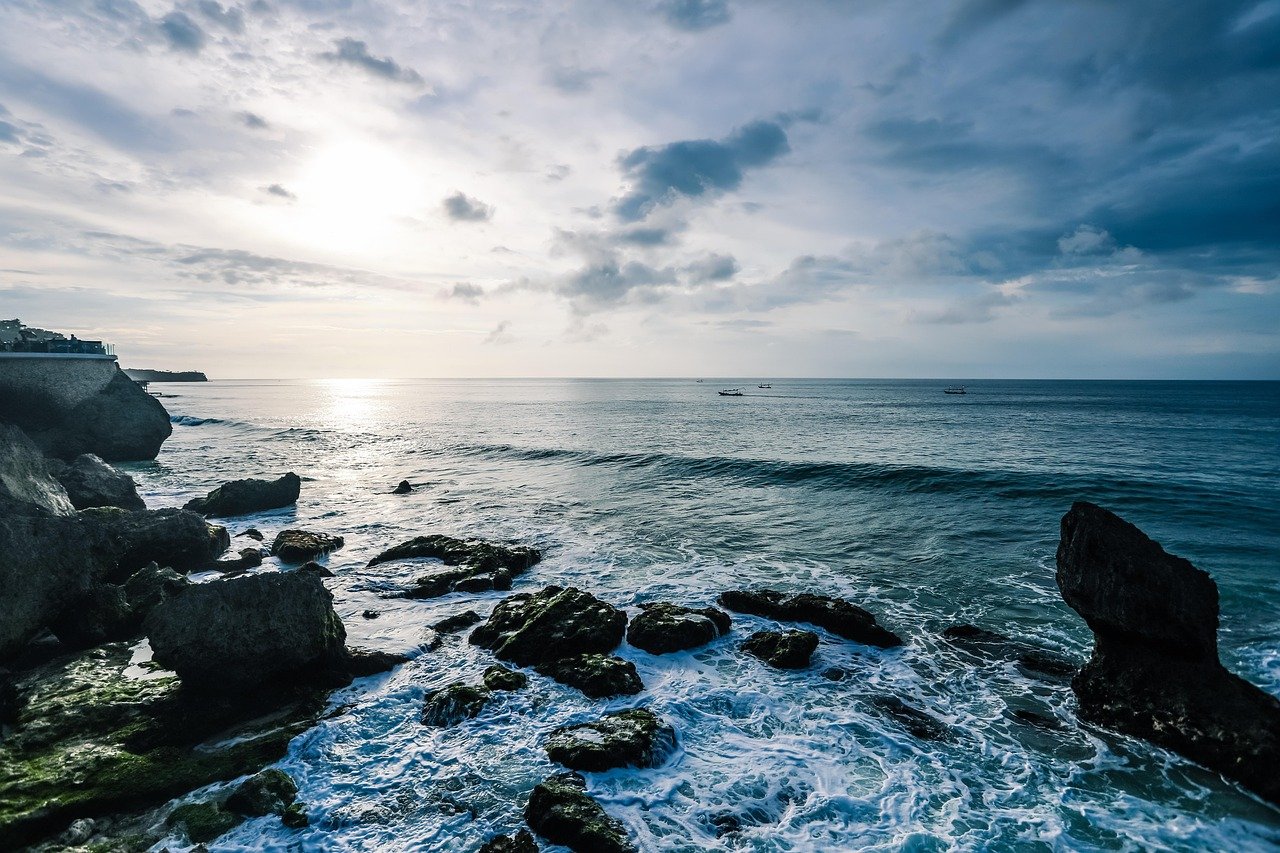

Hawaii’s Real Estate: How Global Events Are Impacting the Market
The Hawaiian real estate market is a unique blend of local charm and global investment dynamics. The archipelago’s appeal as a vacation destination and a residential haven means it is significantly influenced by worldwide events ranging from economic shifts to environmental crises. Understanding the current landscape necessitates examining these global factors and their multifaceted impact on Hawaii’s real estate sector.
Economic Factors: Influence of Global Markets
Global economic stability plays a pivotal role in Hawaii’s real estate trends. The economy’s overall health, dictated by inflation rates, job growth, and consumer confidence in major markets such as the United States and Asia, often determines foreign investment levels in Hawaiian properties.
Interest Rates and Financing
Recently, the Federal Reserve has adjusted interest rates to combat inflation. Higher interest rates generally mean increased costs for mortgages, which can lead to a slowdown in property sales. A decline in borrowing can dampen demand, making it vital for potential buyers and investors to be aware of interest rate trends and forecasts.
Foreign Investment Dynamics
Hawaii’s real estate is a hotbed for foreign investors, particularly those from Japan, Canada, and China, attracted by the islands’ culture and lifestyle. Changes in exchange rates can affect purchasing power. For instance, a weaker yen against the dollar makes Hawaiian properties more expensive for Japanese buyers, leading to a potential downturn in sales from that demographic.
Impact of Tourism on Real Estate
Tourism is a cornerstone of Hawaii’s economy, significantly impacting real estate values. Events that influence global travel patterns, such as pandemics or geopolitical tensions, have substantial repercussions on the local market.
Travel Restrictions and Recovery
The COVID-19 pandemic caused a dramatic decline in tourism, impacting rental markets sharply. Vacation rental properties saw significant drops in occupancy rates. However, as travel restrictions lifted, Hawaii saw a rebound in tourist numbers, encouraging investors to re-enter the market.
Long-Term Rental Demand
Increased demand for long-term rentals has emerged as many former vacation rentals pivot to cater to residents seeking more stable housing solutions. This shift provides opportunities for buyers interested in investment properties aimed at providing long-term housing, as rising property values reflect increased demand from residents.
Environmental Events and Climate Change
Hawaii is particularly vulnerable to environmental issues such as hurricanes, volcanic eruptions, and rising sea levels, which are exacerbated by climate change.
Insurance Costs and Market Stability
Properties facing environmental risks can lead to higher insurance premiums. As insurance companies reassess their risk models, buyers may experience increased costs associated with owning property in high-risk areas. This factor can deter investment in certain locations, even as other areas see a rise in desirability due to lower perceived risk.
Sustainable Development Trends
In response to climate challenges, there’s a growing focus on sustainability in construction and development. Eco-friendly materials and practices are becoming more desirable, appealing to a conscientious buyer demographic. Green homes not only contribute to environmental conservation but may also enjoy higher market values due to increased demand.
Global Events and Political Climate
Political instability in key markets can influence wealth mobility and, consequently, foreign investments in Hawaii.
Shifts in Migration Patterns
Geopolitical tensions, such as trade wars or conflicts, may lead affluent individuals to seek refuge in perceived safe havens. Hawaii’s strategic location and appeal can lead to increased interest from buyers seeking safe investments. This immigration often correlates with heightened demand for luxury properties.
Regional Development Initiatives
Bilateral relations can also encourage development. For example, partnerships between the U.S. and Asian nations can spark investments that lead to commercial developments or infrastructure improvements, boosting property values and increasing the attractiveness of specific locales.
Technology and Remote Work Trends
The rise in remote work is transforming the demand for real estate in Hawaii. The pandemic catalyzed a shift towards flexible work environments, allowing individuals to work from anywhere.
Increased Demand for Second Homes
As remote work becomes more prevalent, there’s a noticeable trend in purchasing second homes. The idyllic Hawaiian islands appeal to professionals looking for an escape from urban settings. This demand pushes up home prices in certain areas, especially those with advantageous views or beach access.
Smart Home Technology
The integration of smart technologies is changing buyer expectations. Properties equipped with smart home features can attract tech-savvy buyers, influencing property values and market competition. Buyers are willing to pay a premium for homes that offer enhanced security, efficiency, and convenience.
Local Legislation and Regulatory Changes
Local government policies concerning property taxes, zoning, and rental regulations significantly shape the real estate landscape.
Short-Term Rental Regulations
New regulations on short-term rentals in popular tourist areas can impact investment strategies. Property owners and investors need to adapt to changing laws that may limit their ability to rent out homes on platforms like Airbnb. These regulations can lead to shifts in the market as owners adjust their strategies to remain compliant and profitable.
Affordable Housing Initiatives
In response to the housing affordability crisis, Hawaii has introduced various measures aimed at increasing the stock of affordable housing. This focus can lead to new opportunities for developers investing in projects aimed at meeting local demand, shaping the market in a more socially responsible manner.
Through exploring global trends and their cascading effects on the Hawaiian real estate market, one can ascertain that the landscape remains dynamic and complex. Buyers and investors must stay informed, adaptable, and responsive to ensure strategic decisions in this ever-evolving market environment.
