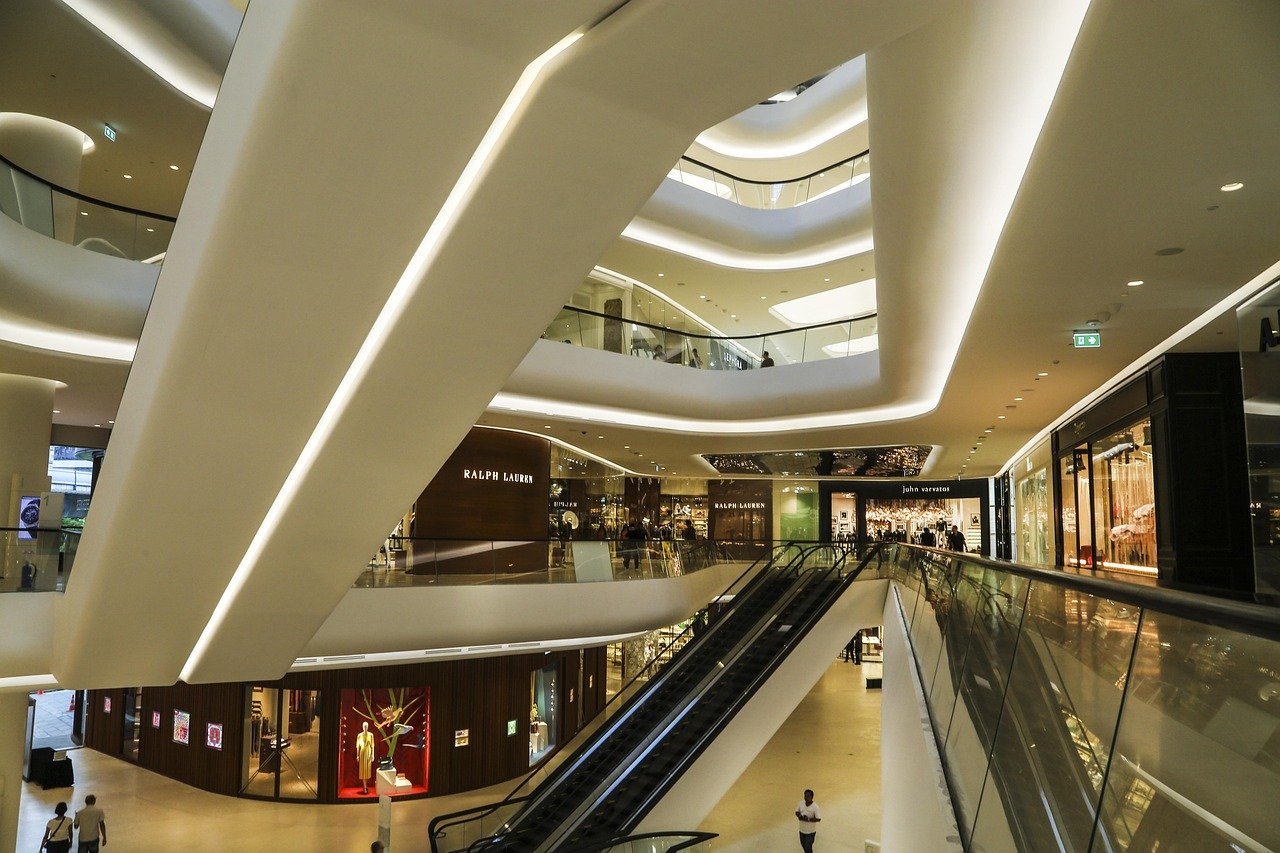

Understanding Mixed-Use Developments
Mixed-use developments (MUDs) combine residential, commercial, and sometimes industrial spaces into one cohesive area. This approach to urban planning addresses the growing challenge of urban sprawl and promotes efficient land use. With an increasing need for sustainable living environments, MUDs are redefining how urban landscapes are structured.
Benefits of Mixed-Use Developments
1. Promoting Walkability
One significant advantage of mixed-use developments is their ability to enhance walkability. When residential units are located near shops, cafes, and workplaces, residents are encouraged to walk rather than drive. This shift not only promotes healthier lifestyles but also reduces carbon footprints and alleviates traffic congestion. Urban areas that prioritize pedestrian paths and green spaces become more attractive, fostering community interaction and supporting local businesses.
2. Economic Revitalization
Investing in mixed-use developments can spur local economic growth. By incorporating commercial elements such as retail and office space within residential communities, these projects attract more people to the area. This influx of residents and visitors creates opportunities for business growth, job creation, and increased tax revenue for local governments. Additionally, vibrant mixed-use communities often increase property values, benefiting developers and homeowners alike.
3. Foster Community Interaction
Mixed-use developments are designed to bring people together. Public spaces like parks, plazas, and communal areas facilitate social interactions among residents, thereby building a sense of community. Events hosted within these spaces, such as farmers’ markets, art shows, and festivals, encourage engagement and foster relationships. This sense of belonging is vital for urban living, combating loneliness and contributing to overall well-being.
4. Sustainable Design Principles
Modern mixed-use developments often incorporate sustainable design principles, including energy-efficient materials, green roofs, and rainwater harvesting systems. These aspects minimize environmental impacts while promoting living spaces that coexist harmoniously with nature. For instance, developments that include green spaces improve air quality, provide habitats for urban wildlife, and enhance the aesthetic appeal of neighborhoods.
Challenges of Mixed-Use Developments
1. Zoning and Regulatory Hurdles
One of the main challenges facing mixed-use developments is navigating zoning laws and regulations. Many urban areas have traditionally segregated land uses, and developers often encounter resistance from local governments or communities when trying to introduce mixed-use concepts. Advocacy and collaboration between stakeholders, including residents, urban planners, and developers, are essential to overcoming these obstacles.
2. Balancing Interests
Mixed-use developments require balancing the interests of various stakeholders—residents, business owners, and city officials. Developers must navigate differing expectations regarding noise, traffic, and aesthetics. Effective communication and consensus-building strategies can mitigate conflicts, ensuring that the resulting development meets the diverse needs of the community.
Exemplary Mixed-Use Developments
1. The High Line, New York City
The High Line is a prime example of a successful mixed-use development that transformed an abandoned rail line into a vibrant urban park. This elevated green space has become a cultural hotspot, integrating residential areas with retail and public spaces. The adjacent neighborhoods have thrived economically, showcasing how innovative urban design can revitalize an area while prioritizing green space.
2. Hudson Yards, New York City
Hudson Yards is another significant mixed-use development project that showcases modern urban living. Encompassing residential units, office spaces, shopping centers, and cultural venues, Hudson Yards serves as a model for future developments. Its design emphasizes walkability and integrates public art, parks, and open spaces, contributing to the overall appeal and functionality of the area.
3. Eastside Village, Portland
Eastside Village in Portland, Oregon, focuses on sustainable living by integrating residential, commercial, and community spaces. The development emphasizes energy efficiency and eco-friendly practices. The community-oriented design promotes social interactions, while local businesses thrive alongside residential spaces, making Eastside Village an exemplary model for future urban developments.
Future of Mixed-Use Developments
1. Smart Technology Integration
As technology advances, future mixed-use developments will incorporate smart technology to enhance urban living. Smart building systems can improve energy management, security, and maintenance while offering residents a more connected living experience. Clients increasingly demand these features, pushing developers to innovate and create technologically advanced spaces.
2. Resilience to Climate Change
With the growing threat of climate change, future mixed-use developments will likely focus on resilience. Strategies such as flood-proofing, heat-resistant materials, and sustainable stormwater management will become essential to ensuring longevity and functionality. Developers will need to integrate these principles from the outset to safeguard communities against climate-related challenges.
3. Increased Focus on Affordability
As urban areas become more congested, the need for affordable housing within mixed-use developments is paramount. Developers are recognizing that incorporating affordable housing options will make their projects more appealing and viable. Public-private partnerships may be instrumental in addressing these challenges, ensuring that mixed-use developments benefit all residents, regardless of income levels.
Conclusion
Mixed-use developments are a transformative force in urban landscapes. They promote walkability, stimulate economic growth, foster community interaction, and incorporate sustainable design principles. While challenges exist, innovative examples and forward-thinking strategies signal a bright future for urban living. By embracing these developments, cities can enhance their resilience and create vibrant spaces for diverse communities to thrive.
