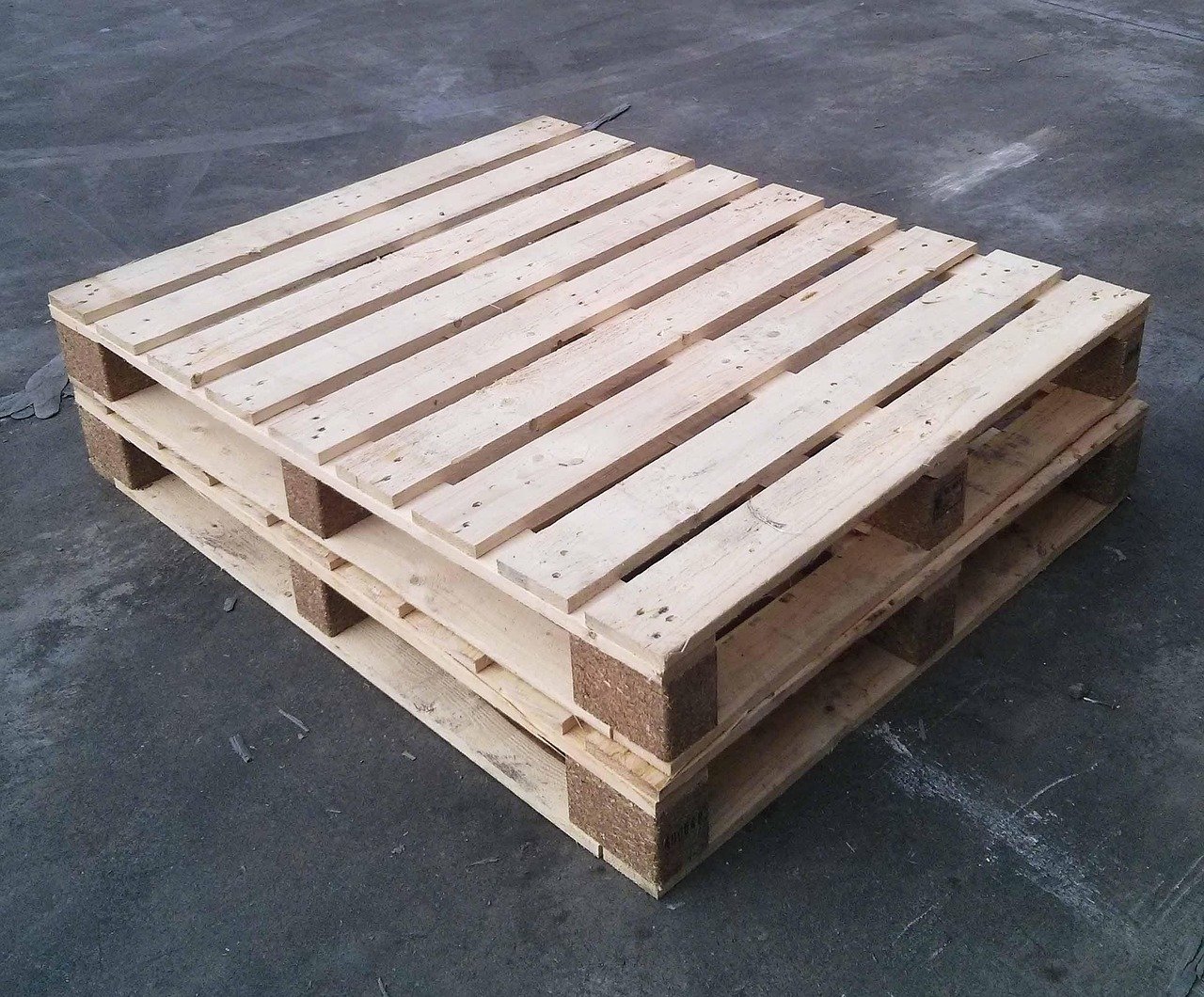

Understanding Supply Chain Disruptions
Supply chain disruptions can arise from a variety of factors, including natural disasters, geopolitical tensions, pandemics, and fluctuating demand. Over the past few years, events like the COVID-19 pandemic have dramatically illuminated the fragility of global supply chains, triggering a reevaluation of how businesses approach warehousing. As companies seek resilience against these disruptions, warehouse locations are increasingly being redefined.
The Importance of Location in Supply Chain Management
The strategic location of warehouses plays a pivotal role in supply chain efficiency. Traditionally, businesses chose locations primarily based on proximity to suppliers or customers, transportation links, and cost considerations. However, the unpredictability of global events has shifted these priorities, emphasizing the need for agility and responsiveness over mere cost-saving measures.
The Shift Toward Regional Warehousing
Historically, many companies opted for centralized warehouse models, favoring a few large facilities to serve vast regions. However, supply chain disruptions have led businesses to rethink this model. In response to increasing uncertainties, companies are increasingly adopting a regional warehousing approach.
-
Proximity to Markets: By situating warehouses closer to key markets, businesses can reduce lead times and enhance customer satisfaction. This geographic decentralization ensures that products are available when and where customers demand them.
-
Risk Mitigation: Decentralizing warehouses allows companies to spread the risk associated with localized disruptions. A natural disaster affecting one region may not impact another, ensuring business continuity.
-
Flexibility and Adaptation: Regional warehouses are better positioned to adapt to changing market conditions or unexpected supply chain disruptions. By diversifying their warehouse locations, companies can quickly shift inventory and adjust operations based on demand fluctuations.
The Role of Technology in Warehouse Location Decisions
Advancements in technology are essential in redefining warehouse strategies. Sophisticated analytics tools allow companies to simulate different scenarios and evaluate the implications of various disruption factors on their supply chain.
-
Data Analytics: Utilizing data analytics to assess demand patterns and customer behavior enables companies to make informed decisions regarding warehouse locations. Predictive analytics can highlight potential disruptions and guide strategic placement.
-
Real-Time Monitoring: Internet of Things (IoT) sensors and real-time data sharing across platforms enable companies to track inventory levels and shipping conditions, allowing them to respond swiftly to disruptions or shifts in demand.
-
Automation and Robotics: The integration of automated systems in warehouses introduces a level of flexibility previously unattainable. Automated robots can move goods quickly, further emphasizing the importance of strategic locations to minimize travel times and maximize efficiency.
E-commerce Growth and Warehouse Location
The rise of e-commerce, accelerated by the pandemic, has dramatically transformed warehouse location strategies. Physical retail closures forced businesses to pivot online, requiring them to rethink their logistics networks.
-
Last-Mile Delivery: The focus on improving last-mile delivery has led to the establishment of smaller warehouses or ‘micro-fulfillment centers’ located strategically within urban areas. These allow for faster shipping times and enhanced customer service in densely populated regions.
-
Demand Variability: E-commerce often brings unpredictable surges in demand. Holding inventory closer to urban centers allows businesses to respond to these spikes without incurring excessive shipping costs or delays.
-
Cross-Docking Facilities: To further streamline operations, some businesses have turned to cross-docking facilities, which enable them to transfer products directly from inbound to outbound transportation. This logistical trend necessitates being closer to both suppliers and customers.
Sustainability Considerations in Warehouse Location
As environmental concerns grow, sustainability is becoming a crucial factor in deciding warehouse locations. Companies are increasingly recognizing that they must balance efficiency with sustainability to meet consumer expectations and regulatory requirements.
-
Energy Efficiency: Warehouses located in areas with access to renewable energy can minimize carbon footprints. Companies may prioritize these locations to align with corporate social responsibility (CSR) goals and lessen overall environmental impact.
-
Transportation Emissions: Positioning warehouses closer to customer bases not only shortens delivery distances but also reduces transportation emissions. Businesses are factoring in the environmental costs of their supply chains when evaluating potential warehouse locations.
-
Sustainable Design Practices: There is also a trend toward constructing eco-friendly warehouse facilities. Prioritizing green building practices in the location selection process adds a competitive edge and demonstrates commitment to sustainability.
The Relevance of Political and Economic Factors
Geopolitical tensions and economic fluctuations can greatly influence supply chain resiliency, prompting businesses to reconsider warehouse locations.
-
Trade Regulations: Companies are reassessing their geographic footprints to minimize exposure to tariffs and trade barriers. Establishing warehouses in politically stable countries with favorable trade agreements can mitigate risks.
-
Economic Stability: Fluctuating economic circumstances can impact shipping costs and labor availability. Stable regions can attract businesses seeking consistency, leading to a reevaluation of where to locate warehouses.
-
Labor Market Dynamics: Labor availability and wage rates significantly affect logistical costs. As companies evaluate locations, those with a robust labor market for warehousing and distribution are becoming increasingly attractive.
Conclusion: The Future of Warehouse Location Strategy
As supply chain disruptions continue to impact industries globally, businesses will increasingly leverage technology, sustainability, and strategic regional planning in their warehouse location decisions. The collective understanding of how these factors will guide the evolution of warehousing will define the future efficiency of supply chains, ensuring that companies can thrive amid uncertainty. As a living system of interconnected logistics, the realm of warehouse location will continuously adapt, necessitating ongoing analysis and flexibility to meet emerging challenges.
