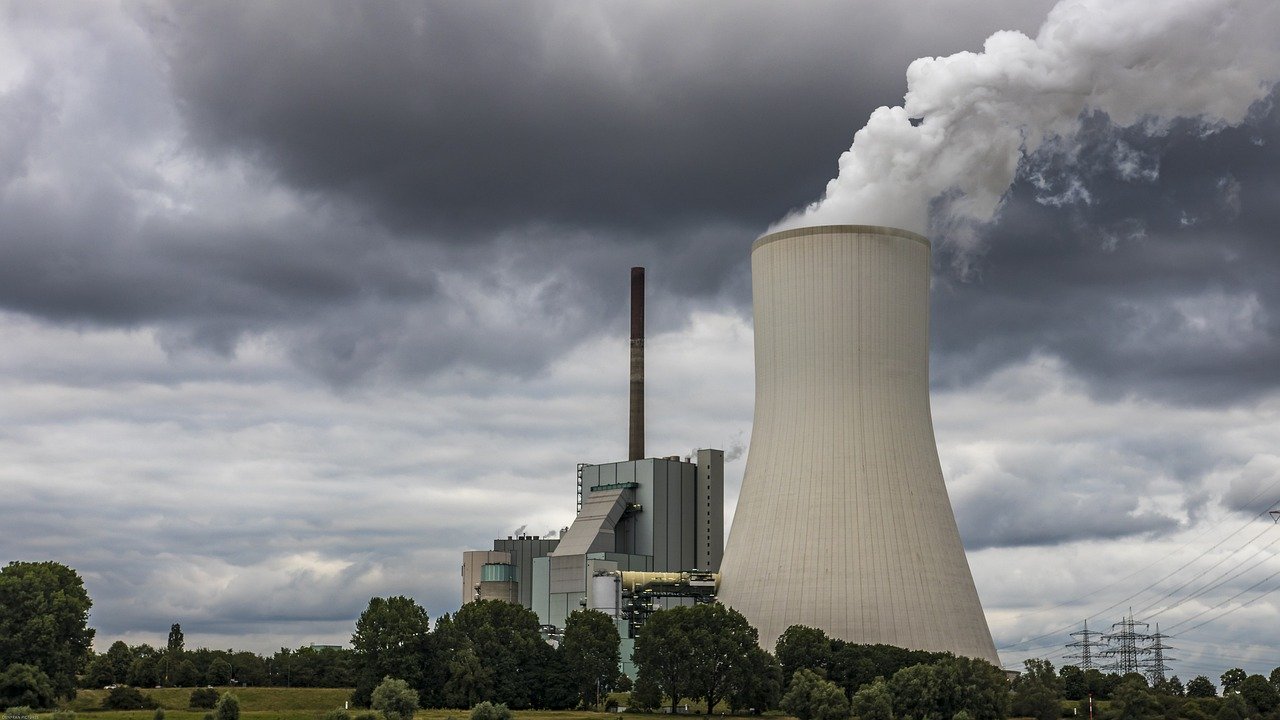

Industrial Real Estate Overview
Industrial real estate in America encompasses properties used for manufacturing, logistics, warehousing, and distribution. This sector has witnessed significant transformations over the past decade, primarily driven by advancements in technology and changing consumer demands. The surge in e-commerce and the need for rapid fulfillment have catalyzed a shift toward automation and operational efficiency within this sector.
The Rise of E-commerce
The explosive growth of e-commerce has reshaped consumer behaviors, necessitating a logistical response from businesses. Warehouses have transformed into advanced distribution centers equipped to handle quicker turnaround times. Online retailers require vast spaces that accommodate inventory optimization, and as a result, the demand for strategically located industrial properties has soared.
Strategic Location
Proximity to transportation networks, including highways, railroads, and ports, is paramount for businesses involved in shipping products. Industrial properties located within urban areas facilitate last-mile delivery, which has become a critical factor for companies seeking to improve service times. As a result, developers are increasingly focusing on building in urban infill locations, allowing for rapid distribution and reduced transportation costs.
Automation in Industrial Facilities
The integration of automated systems in warehouses and manufacturing plants is at the forefront of enhancing operational efficiency. Robotics, artificial intelligence (AI), and the Internet of Things (IoT) are significantly impacting the way industrial properties operate.
Robotics and Material Handling
Robotic systems have simplified material handling tasks, such as picking, packing, and sorting. These machines can work around the clock, reducing labor costs and increasing throughput. For example, Amazon’s use of Kiva robots has revolutionized warehouse operations by streamlining workflow and maximizing space utilization. As more companies adopt similar technologies, the demand for specialized industrial real estate that can accommodate these systems is expected to rise.
IoT Integration
The IoT enables real-time data collection and analysis within industrial facilities. Sensors monitor equipment and environmental conditions, facilitating predictive maintenance and optimizing energy usage. This integration not only improves the performance of machinery but also lowers operational costs, creating a more sustainable approach to industrial operations.
Sustainability and Energy Efficiency
Growing environmental concerns have prompted industrial real estate stakeholders to prioritize sustainability and energy efficiency. Properties are being designed or retrofitted with green technologies that reduce carbon footprints and operational costs.
Green Building Certifications
Certifications like LEED (Leadership in Energy and Environmental Design) and BREEAM (Building Research Establishing Environmental Assessment Method) are becoming standard in new industrial developments. These certifications ensure that buildings adhere to strict sustainability guidelines, focusing on energy consumption, water usage, and waste management.
Renewable Energy Solutions
Incorporating renewable energy solutions, such as solar panels or wind turbines, is gaining traction among industrial facilities. Not only do these initiatives contribute to reducing greenhouse emissions, but they also provide long-term savings on energy costs. Forward-thinking developers are making significant investments in energy-efficient systems, appealing to eco-conscious tenants and investors alike.
Changing Workforce Dynamics
The demand for skilled labor in automation and technology-driven environments has influenced the industrial real estate market. Workers need to adapt to operate sophisticated machinery, analyze data, and maintain automated systems.
Workforce Training
Employers are increasingly investing in training programs that equip their employees with the necessary skills to thrive in an automated workplace. These educational initiatives foster a more proficient workforce while also increasing employee retention. As automation becomes a standard, rental properties that offer office or training spaces alongside industrial facilities will gain relevance.
Trends in Leasing and Investments
The evolving landscape of industrial real estate is reflected in leasing trends and investment strategies as stakeholders respond to market dynamics.
Shorter Lease Terms
As businesses continue to reassess their operational strategies, shorter lease terms have become increasingly common. Companies are reluctant to commit to long-term leases, preferring flexibility to adapt to changes in demand or technological advancements. This trend encourages landlords to offer more adaptable spaces that can easily accommodate varying business needs.
Institutional Investment
Institutional investors, including pension funds and real estate investment trusts (REITs), are increasingly turning their attention towards industrial properties. The resilience of this sector during economic downturns has highlighted its appeal as a stable and lucrative investment opportunity. The influx of capital has bolstered development activities, contributing to the growth of modern industrial spaces throughout the country.
The Role of Technology in Leasing Practices
Technology is redefining how properties are marketed and leased. Digital platforms allow potential tenants to explore industrial spaces virtually, streamlining the search process.
Virtual Reality (VR) and Augmented Reality (AR)
Using VR and AR tools, prospective leasers can navigate properties in immersive 3D environments. These technologies facilitate a more engaging experience, allowing users to visualize space utilization and operational setups before making a decision. With enhanced visualization capabilities, industrial brokerage firms can improve their competitive edge in attracting clients.
Preparing for the Future
As industrial real estate evolves, stakeholders must stay attuned to the trends shaping the landscape. With increased automation, investment in sustainable solutions, and a focus on operational efficiency, the future of industrial real estate in America looks promising. Adapting to these changes is essential for property owners, investors, and tenants alike, paving the way for a new era of efficiency and innovation in the industrial sector.
Conclusion
Embracing innovation through automation and sustainability remains key to thriving in the competitive landscape of industrial real estate in America. As demand grows and technology advances, the need for adaptable, efficient properties will continue to shape the future of this dynamic sector.
