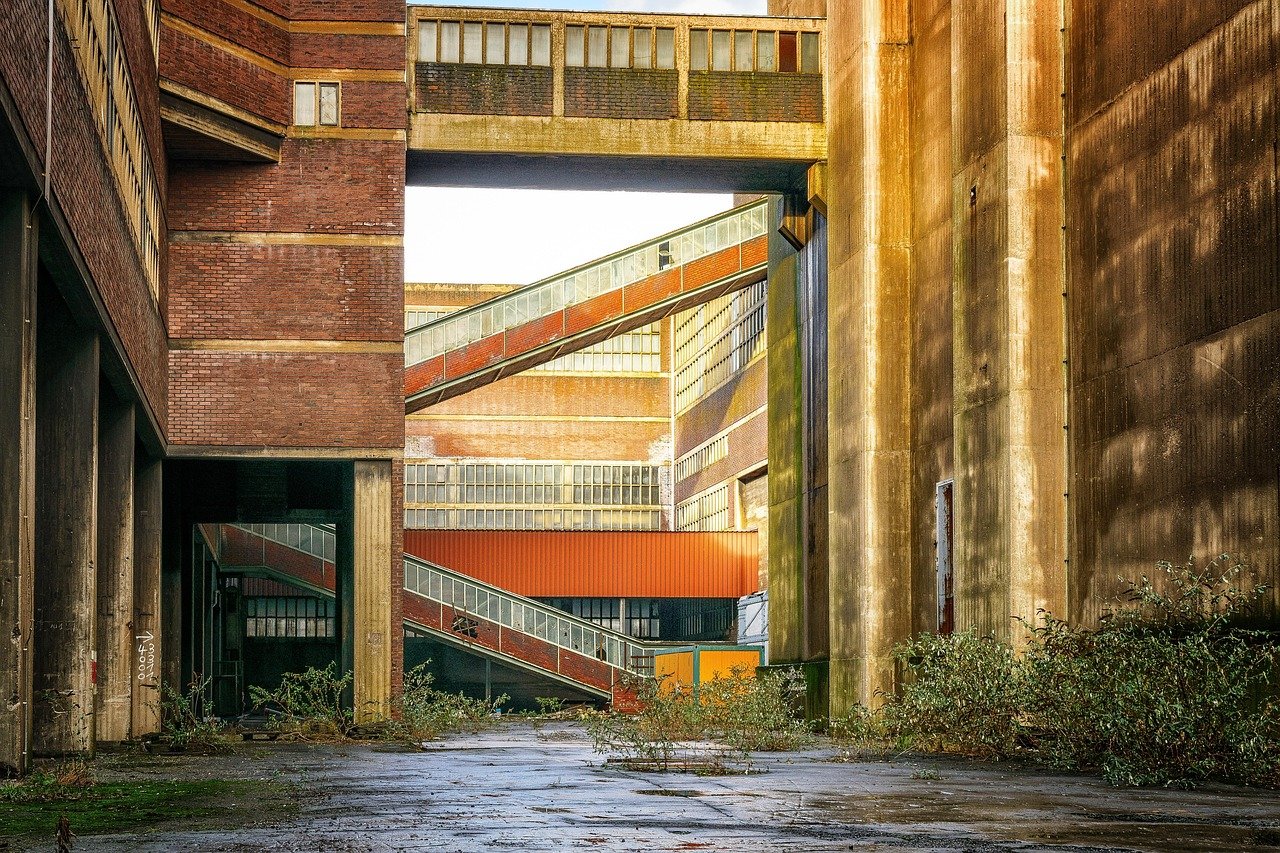

Industrial Zones Reimagined: The Future of Logistics in an Automated World
Evolution of Industrial Zones
Industrial zones have long served as the backbone of manufacturing and logistics, providing designated areas where companies can operate and distribute their products. Historically, these zones were characterized by sprawling factories, warehouses, and extensive transportation networks. However, as technology advances and consumer demands shift, the traditional model of industrial zones is undergoing a transformation.
The digital age has ushered in the era of automation, leading to more efficient processes, reduced costs, and improved productivity. With the rise of e-commerce, companies are redefining their logistics strategies to enhance speed and agility. This evolution is not a mere upgrade of existing facilities but a reimagining of industrial zones themselves.
The Role of Automation in Logistics
Automation is at the forefront of this transformation, significantly impacting logistics operations. Robots, artificial intelligence (AI), and the Internet of Things (IoT) are increasingly becoming integral components of the logistics chain. Automated guided vehicles (AGVs) and autonomous mobile robots (AMRs) streamline warehouse operations by handling inventory retrieval, sorting, and delivery tasks with remarkable efficiency.
Additionally, AI-driven analytics facilitate enhanced decision-making by predicting demand trends and optimizing supply chains. By processing vast amounts of data in real time, automation lets businesses respond swiftly to market fluctuations, ensuring that products are delivered on time and reducing overhead costs.
Rethinking Facility Design
As industrial zones evolve, facility design must adapt to incorporate advanced technologies. Smart warehouses are emerging, incorporating features such as automated storage and retrieval systems. These facilities are designed to house both human workers and autonomous machinery, creating a synergistic environment that maximizes productivity.
Innovative layouts are being introduced, emphasizing flexibility and modular design. This adaptability allows businesses to respond to changing demands without extensive renovations. Moreover, vertical storage solutions and multi-level shelving systems are gaining prominence, optimizing space utilization and reducing the environmental footprint of logistics operations.
Integration of Vertical Farming
A noteworthy trend within reimagined industrial zones is the integration of vertical farming practices into logistics frameworks. As urbanization accelerates, food production within city limits becomes essential. Incorporating vertical farms into industrial zones can reduce transportation costs and delivery times while addressing food security challenges.
These innovative facilities utilize hydroponics and aeroponics, leveraging technology to maximize output with minimal land use. This integration directly contributes to a more sustainable logistics model, aligning with consumer preferences for locally sourced, fresh produce.
Digital Twins and Real-Time Monitoring
The advent of digital twins—a technology that creates a virtual replica of physical assets—has revolutionized logistics management. Industrial zones can harness digital twins to monitor equipment performance, warehouse conditions, and supply chain dynamics in real time. This predictive capability allows businesses to conduct maintenance proactively, reducing downtime and capitalizing on operational efficiency.
Real-time monitoring systems equipped with IoT devices provide valuable data concerning temperature and humidity levels, especially critical for industries handling sensitive products like food and pharmaceuticals. By ensuring optimal conditions, companies enhance product integrity and compliance with regulations.
Sustainable Practices and Green Logistics
Sustainability is no longer just an option; it’s a necessity in logistics. As awareness regarding climate change grows, businesses are finding ways to merge sustainability with their logistics operations. Industrial zones are implementing green logistics strategies, including electric and hybrid delivery vehicles to reduce carbon emissions.
Moreover, energy-efficient designs are becoming standard in new facilities. Solar panels, rainwater harvesting systems, and energy-efficient heating and cooling systems contribute to a smaller carbon footprint. This sustainable approach not only meets regulatory requirements but also appeals to a growing segment of environmentally conscious consumers.
Enhanced Connectivity and Supply Chain Resilience
The future of logistics hinges on enhanced connectivity across supply chains. The utilization of 5G technology is crucial in this regard, allowing for ultra-fast data transmission. This connectivity facilitates seamless communication between machines, which is essential for automating various logistics processes.
In addition, improving supply chain resilience has become paramount. The pandemic exposed vulnerabilities in global supply chains, prompting businesses to diversify sources and incorporate local suppliers. Reimagined industrial zones are designed with this in mind, creating ecosystems that encourage collaboration among local manufacturers, wholesalers, and retailers.
Workforce Transformation
While automation is reshaping logistics, the human workforce remains irreplaceable in many areas. Reimagined industrial zones focus on upskilling workers to adapt to new technologies. This includes training in overseeing automated systems, data analytics, and logistics management.
Workforce adaptation is not just about technology; it’s also about fostering a culture of innovation. Encouraging employee input on new processes can enhance efficiency and promote job satisfaction. This shift emphasizes the value of human insight in combination with technological advancements.
Challenges and Solutions
Despite the promise of automation in logistics, significant challenges persist. Initial investments in technology and infrastructure can be daunting for businesses, especially small to medium-sized enterprises (SMEs). Governments and private sectors need to collaborate on financing models and incentives to support businesses in adopting new technologies.
Another challenge is data security. With increased connectivity comes the risk of cyber threats. Robust cybersecurity measures must be a priority for logistical operations to protect sensitive data and operational integrity.
Future-Ready Industrial Zones
Looking ahead, the industrial zones of the future will embody a comprehensive approach that integrates technology, sustainability, and agile logistics strategies. By reimagining these spaces, communities can bolster economic activity while prioritizing environmental stewardship.
Key developments on the horizon include the continued expansion of automated transportation networks and the enhancement of collaborative logistics platforms. These innovations will not only streamline operations but also create new career opportunities focused on technology and sustainability within the logistics sector.
In conclusion, the future of logistics lies in the redefinition of industrial zones, driven by automation, sustainability, and advanced technology. By embracing this transformative shift, businesses can better meet the demands of a dynamic marketplace, ensuring their relevance and success in an automated world.
