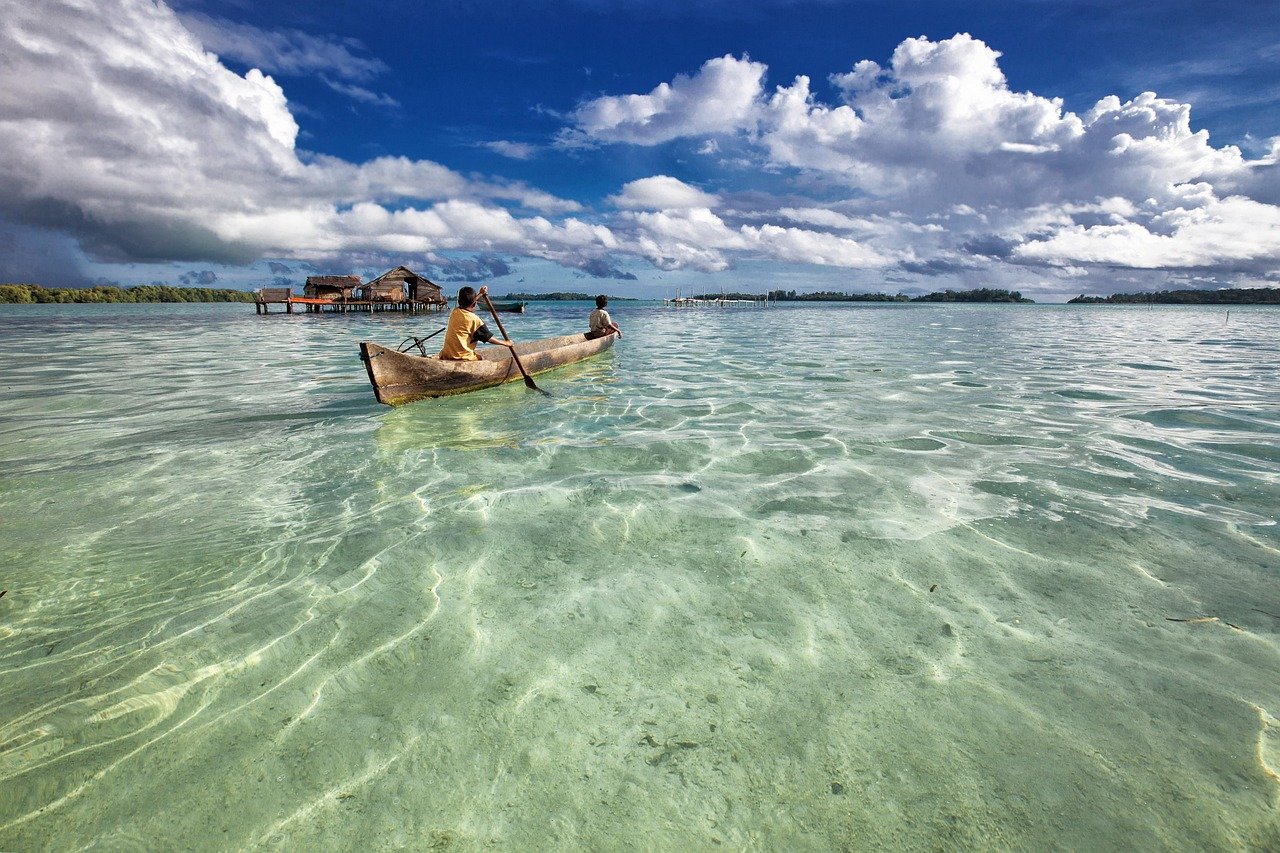

Island Eco-Communities: Leading the Charge in Environmentally Friendly Living
Island eco-communities are pioneering the movement towards sustainable living, exemplifying how small populations can proactively address global environmental challenges. By leveraging their unique geographical and social dynamics, these communities serve as models for eco-friendly practices that can be replicated worldwide.
What is an Island Eco-Community?
An island eco-community is often characterized by its commitment to sustainability, blending economic viability with ecological stewardship. These communities are typically located on islands, where the proximity to natural resources influences their lifestyle and practices. Their focus is not solely on individual solutions; rather, they aim to create holistic approaches that interlink social, economic, and environmental objectives.
Key Characteristics of Island Eco-Communities
-
Sustainable Architecture: Buildings within eco-communities utilize renewable resources and innovative designs to minimize environmental impact. For example, using locally sourced materials or incorporating passive solar design reduces energy consumption and carbon footprints.
-
Renewable Energy: Many island eco-communities prioritize renewable energy sources such as solar, wind, and hydropower. By investing in solar panels, wind turbines, and hydroelectric systems, they strive to decrease dependence on fossil fuels, thus reducing greenhouse gas emissions.
-
Waste Management: Effective waste management practices are essential to island eco-communities. They implement recycling, composting, and waste-to-energy programs that significantly lower landfill usage and encourage waste reduction at the community level.
-
Local Food Systems: These communities typically emphasize local food production. Organic gardens, community-supported agriculture (CSA), and permaculture practices foster self-sufficiency and reduce the carbon footprint associated with transporting food long distances.
-
Biodiversity Conservation: Island eco-communities often play a crucial role in preserving local ecosystems. By advocating for and actively participating in conservation efforts, they help protect endemic species and restore habitats, promoting biodiversity both on land and in marine environments.
-
Community Involvement: Social cohesion is a hallmark of successful island eco-communities. These groups foster a strong sense of community where individuals work together towards shared sustainable goals, often organizing workshops, educational programs, and ecological projects.
Leading Examples of Island Eco-Communities
-
Taquile Island, Peru: Known for its strong cultural identity and traditional farming practices, Taquile Island combines sustainable agriculture with tourism. The community engages in eco-friendly practices, conserving local resources while preserving their unique cultural heritage.
-
The Isle of Eigg, Scotland: Eigg’s commitment to renewable energy is remarkable. Community residents have successfully implemented a comprehensive clean energy system that relies on wind, solar, and hydroelectric power. Their approach serves as a model for energy independence and resilience against climate change.
-
Palau: This Pacific island nation focuses not only on sustainability but also on protecting marine environments. Palau established a network of protected marine areas that supports biodiversity and enhances the livelihoods of local communities through sustainable fishing practices.
-
Seychelles: Known for its progressive environmental policies, Seychelles attempts to integrate economic development with ecological conservation. Their goals include reducing plastic waste, investing in renewable energy, and creating marine protected areas.
Challenges Faced by Island Eco-Communities
While island eco-communities present promising models for sustainable living, they are not without their challenges:
-
Limited Resources: Many islands face restrictions on natural resources, leading to higher costs for building materials and energy. This can hinder the establishment of fully sustainable infrastructures.
-
Climate Vulnerability: The geographical nature of islands makes them susceptible to climate change, including rising sea levels, severe storms, and changing ecosystems. This vulnerability necessitates that eco-communities remain adaptive and resilient.
-
Economic Dependence: Often, these communities rely heavily on tourism, which can be detrimental if not managed sustainably. Over-reliance on tourism can lead to environmental degradation and economic instability when faced with global downturns.
The Role of Technology in Enhancing Sustainability
Emerging technologies play a significant role in enhancing the sustainability of island eco-communities. Innovations such as green building materials, smart water management systems, and bioenergy production techniques allow these communities to improve their environmental impact significantly.
-
Smart Energy Grids: By utilizing smart grids, eco-communities can optimize their energy use, reducing waste and improving efficiency through real-time data analysis.
-
Water Filtration Systems: Advanced filtration systems help address the challenge of freshwater availability, which is critical in many island communities. Rainwater harvesting and desalination technologies provide sustainable water sources.
-
Aquaponics: Combining aquaculture and agriculture, aquaponics systems allow island eco-communities to produce fish and vegetables simultaneously, maximizing limited space and resources while promoting biodiversity.
Educational Initiatives
Education plays an integral role in the lifecycle of island eco-communities. By fostering an educational environment that highlights the importance of sustainability, these communities empower individuals to take actionable steps.
-
Workshops and Training: Regularly held workshops teach residents about sustainable practices ranging from renewable energy installation to organic farming techniques. Practical training ensures knowledge transfer among generations.
-
School Programs: Integrating sustainability into school curricula nurtures future leaders in environmental stewardship. Students are often encouraged to participate directly in community conservation projects.
The Path Forward for Island Eco-Communities
Island eco-communities are at the forefront of the sustainability movement, showcasing how small populations can make significant impacts on global environmental issues. By adopting innovative practices, local regulations, and educational frameworks, these communities create a blueprint for the future of living harmoniously with nature.
A growing number of organizations and government entities can support these initiatives. Partnerships aimed at sharing best practices, research, and funding opportunities for sustainable development can propel island eco-communities to new heights in ecological innovation. As they continue to lead by example, the influence of these communities may extend far beyond their shores, inspiring broader movements toward sustainability and environmental responsibility around the world.
