
Island Living Reimagined: Sustainable Housing Trends in Shelter Island
The Rise of Sustainable Architecture
As the world increasingly turns its attention towards sustainability, Shelter Island—a gem in New York’s East End—has emerged as a beacon of eco-conscious living. A harmonious blend of nature and community, the island is witnessing a transformation in its housing trends, embracing sustainable architecture characterized by energy-efficient designs, green materials, and smart home technology. These trends reduce environmental impact and enhance the quality of life for residents.
Passive Solar Design
One of the core principles of sustainable housing is passive solar design. Homes designed under this philosophy utilize natural sunlight to reduce energy consumption. The orientation of windows and the strategic placement of overhangs allow inhabitants to harness sunlight for warmth during winter while keeping interiors cool during summer. Many new constructions on Shelter Island incorporate large south-facing windows and thermal mass materials like concrete and stone, which absorb heat during the day and release it at night.
Sustainable Materials
Shelter Island’s housing market increasingly favors sustainable building materials that are both environmentally friendly and aesthetically pleasing. Bamboo flooring, reclaimed wood, recycled steel, and low-VOC (volatile organic compounds) paints are all trending materials. These not only minimize ecological footprints but also provide unique visual elements to homes, blending effortlessly with the island’s natural beauty.
Moreover, local sourcing of materials helps reduce transportation emissions, supporting the local economy and ensuring that builders adhere to strict environmental standards. The original character of Shelter Island is preserved, reflecting both modern artistry and deep respect for the historical narrative.
Efficient Water Management
Water conservation is at the forefront of sustainable housing trends on Shelter Island. Many homes now incorporate rainwater harvesting systems that collect rainwater from rooftops for irrigation and other non-potable uses. Additionally, greywater recycling systems—diverting water from baths, sinks, and washing machines to irrigate gardens—are gaining traction, minimizing freshwater consumption.
Landscaping around these homes is designed with xeriscaping principles, featuring native, drought-resistant plants that flourish with minimal irrigation. This not only limits water use but also promotes local biodiversity, creating a habitat for various wildlife.
Renewable Energy Solutions
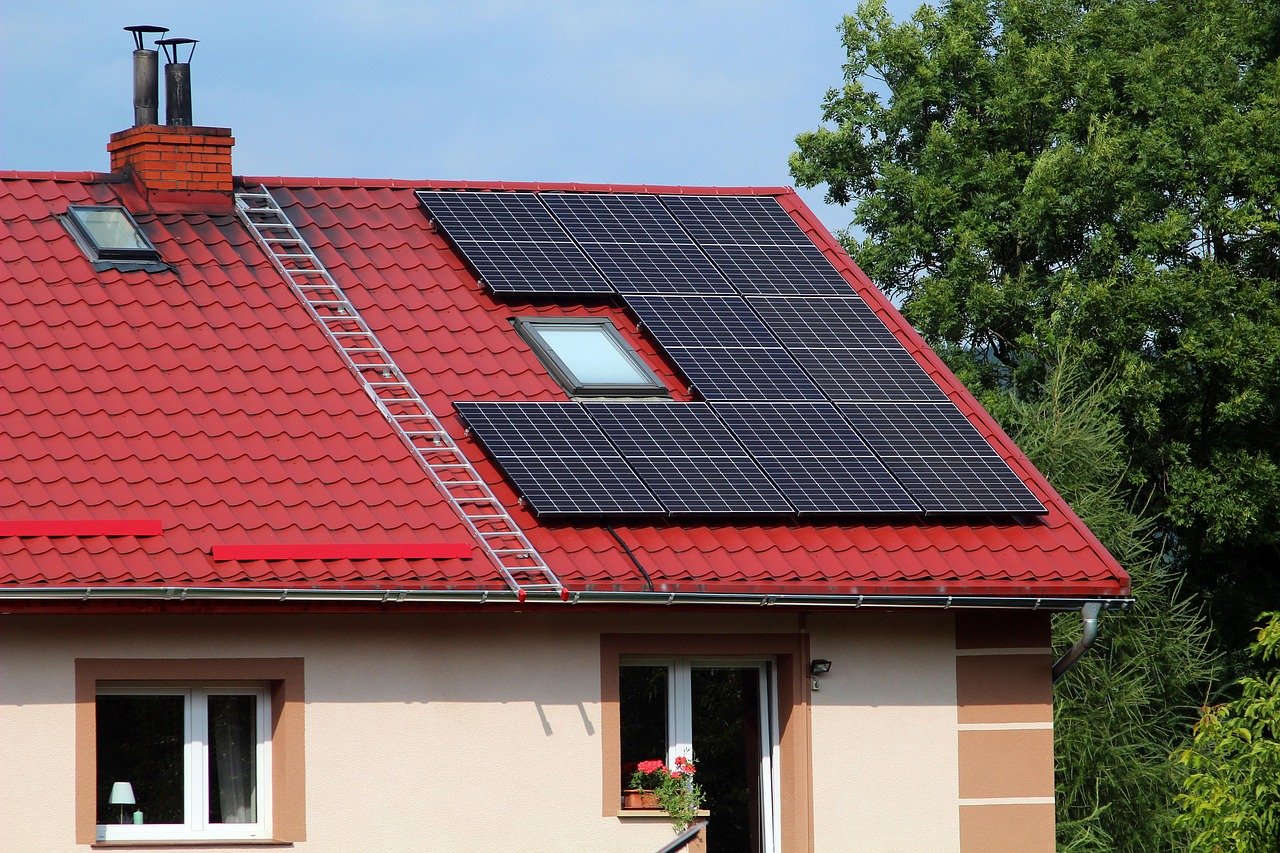
Solar energy systems have become a staple in new Shelter Island homes, allowing residents to harness the sun’s power. Many homeowners install rooftop solar panels, and some even opt for solar shingles, seamlessly integrating energy solutions into their home’s architecture. These installations offer significant savings on energy bills and contribute to the grid during peak energy production times.
Wind energy is another avenue being explored. Some homes situated in open, breezy areas have small wind turbines installed, further reducing dependence on fossil fuels. As technology advances, these renewable energy options are becoming more efficient and affordable, aligning with Shelter Island’s commitment to sustainability.
Smart Home Technology
The integration of smart home technology has revolutionized living in Shelter Island. Energy-saving devices, such as smart thermostats, lighting systems, and automated blinds, allow homeowners to regulate energy usage effortlessly. These systems learn residents’ habits and optimize consumption patterns accordingly, leading to more efficient resource use while also enhancing comfort.
Smart irrigation controllers are also popular among homeowners, utilizing weather data to determine specific watering needs, further reducing water wastage. These technologies create a synergistic relationship between traditional island living and contemporary innovation.
Community Collaboratives
Sustainable living in Shelter Island extends beyond individual homes; it encompasses the community as a whole. Collaborative initiatives, such as community gardens and car sharing programs, are gaining traction. Residents work together to cultivate shared gardens, promoting local food production and healthy eating habits. The use of bicycles and electric vehicles is encouraged, minimizing the carbon footprint of transport on the island.
Furthermore, town planning has taken on a sustainable focus, with efforts to create walkable neighborhoods that reduce reliance on cars. Integrated public spaces and parks also foster a sense of community, providing gathering places that celebrate nature and encourage social interaction among residents.
Health and Well-Being Considerations
Sustainable housing trends on Shelter Island also prioritize health and wellness. Homes are being built or retrofitted to maximize indoor air quality, using non-toxic materials and proper ventilation systems. The biophilic design is increasingly incorporated, with elements that connect occupants with nature through ample natural light, plant integration, and outdoor living spaces.
Access to nature is particularly emphasized on the island, with trails and recreation areas designed for exercise and outdoor activities. Such spaces not only nurture physical health but also promote mental well-being and community ties.
The Role of Policy and Incentives
Local government policies play a significant role in promoting sustainable development on Shelter Island. By incentivizing eco-friendly building practices through tax rebates and grants, authorities encourage homeowners and builders to invest in green technologies. Zoning laws that prioritize green spaces and sustainable development discourage urban sprawl and preserve the island’s unique ecosystem.
Additionally, regular workshops and public forums educate residents about sustainability practices, fostering a culture of environmental consciousness and collaboration among citizens.
The Future of Shelter Island Housing
As Shelter Island continues to redefine its approach to housing, the commitment to sustainability remains unwavering. The convergence of innovative architectural designs, green materials, efficient energy systems, and community-driven initiatives reflects a holistic understanding of what it means to live sustainably.
These developments not only cater to the immediate desires and needs of the island’s residents but also set a precedent for other communities. By embracing these trends, Shelter Island stands as a testament to the potential of sustainable living, conscientious design, and collective responsibility toward protecting the environment for future generations. The real estate market here may evolve further as more homeowners commit to environmentally friendly practices that enhance both individual well-being and the community at large.
