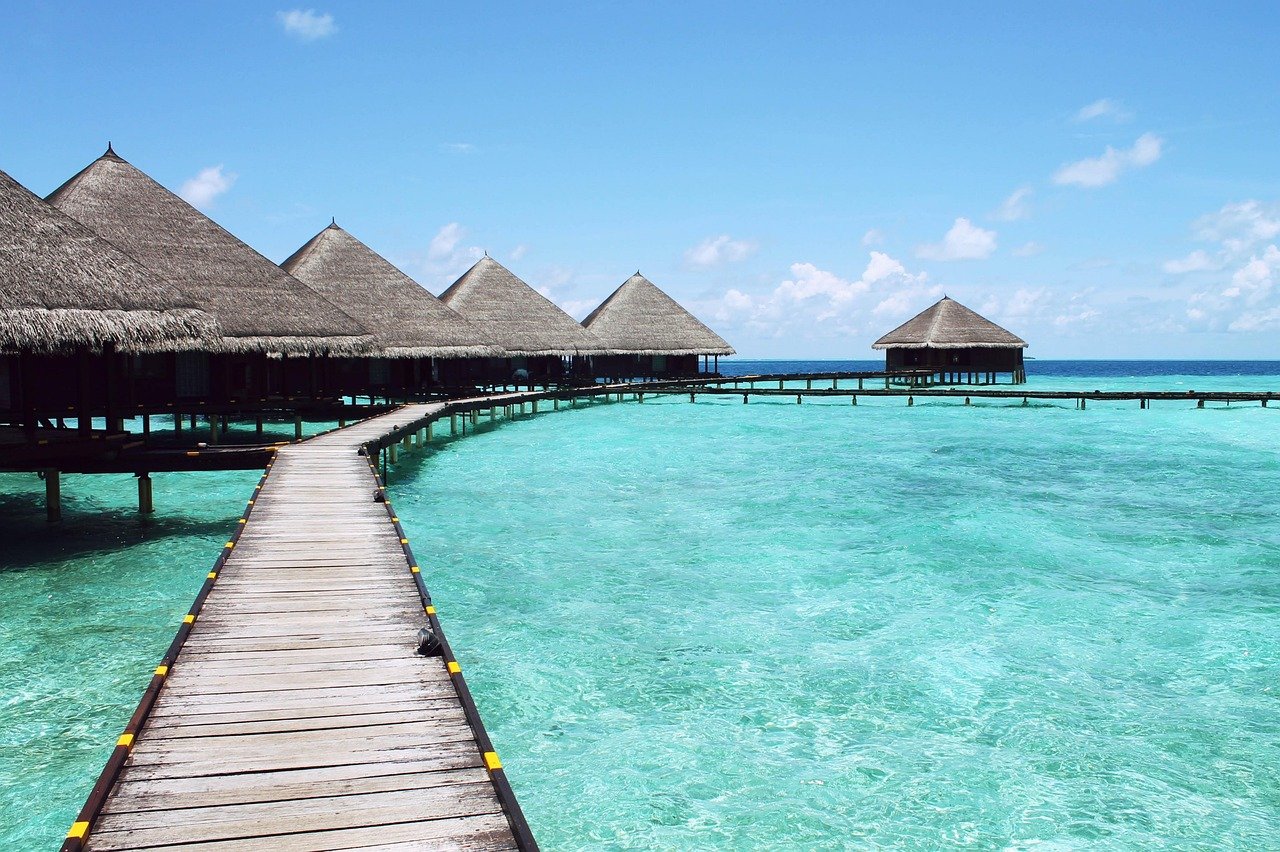

Luxury Island Resorts Go Green: The Future of Eco Tourism in the US
The concept of eco-tourism is evolving, presenting a new paradigm in the travel industry where luxury and sustainability coexist harmoniously. U.S. island resorts are increasingly embracing eco-friendly practices, becoming more than just a destination for relaxation. They are transforming into eco-conscious sanctuaries that cater to environmentally-aware travelers who seek both indulgence and sustainability.
The Growing Importance of Eco-Tourism
Eco-tourism focuses on sustainable travel practices that minimize environmental impact while promoting conservation and local cultures. As climate change and environmental degradation inch their way into global consciousness, travelers are more attuned to their footprint. The U.S. boasts several island destinations, such as the Florida Keys, Hawaii, and the U.S. Virgin Islands, that are leading the charge toward a more sustainable future in tourism.
Island resorts across the United States are recognizing the need to innovate and adapt their practices. Luxury travelers are now seeking out accommodations with environmentally responsible initiatives, from energy-efficient designs to organic dining options. The call for “greener” alternatives is reshaping the luxury hospitality sector, prompting resorts to invest in eco-friendly technologies and sustainable materials.
Sustainable Architectural Practices
One of the notable shifts in luxury island resorts is the focus on sustainable architecture. Eco-resorts are adopting designs that minimize energy consumption, reduce material waste, and enhance the natural beauty of their surroundings. Building materials like reclaimed wood, bamboo, and recycled steel are becoming prevalent, allowing resorts to craft stunning facilities that blend seamlessly into the environment.
For example, the Four Seasons Resort Lanai in Hawaii has integrated sustainable architecture by using locally sourced materials, ensuring that new constructions are compatible with the island’s ecosystem. Their adherence to building codes designed to protect local wildlife and flora is a testament to their commitment to environmental stewardship.
Renewable Energy Sources
To combat the reliance on non-renewable energy and reduce carbon footprints, luxury island resorts are increasingly investing in renewable energy. Solar panels, wind turbines, and geothermal systems are being implemented to power resorts. For instance, the Peter Island Resort & Spa in the British Virgin Islands has harnessed solar energy for many of its operations, showcasing how luxury can go hand-in-hand with sustainability.
Investing in energy-efficient appliances and smart technology, resorts are ensuring that energy consumption remains at optimal levels, thus reducing operational costs while preserving the environment.
Water Conservation Strategies
Water is an invaluable resource, especially on islands where freshwater scarcity is a concern. Leading luxury resorts are adopting innovative water conservation strategies, employing rainwater harvesting techniques, and water purification systems. They are designing lush landscapes that use native plants requiring minimal irrigation, thus maintaining the natural equilibrium.
The Caneel Bay Resort in the U.S. Virgin Islands has implemented state-of-the-art water systems to recycle and purify wastewater, allowing it to be reused for irrigation. Resorts that emphasize sustainability prioritize responsible water use, ensuring that guests enjoy luxurious amenities without overextending local resources.
Organic and Local Sourcing of Food
Culinary experiences at luxury resorts are going through a green revolution. Many island resorts are eliminating the carbon footprint associated with transporting food by sourcing ingredients locally and growing their own produce. Establishing on-site gardens not only bolsters eco-friendly practices but also enhances the freshness of the dining experience.
The Ritz-Carlton Key Biscayne has taken farm-to-table dining to the next level with its commitment to local sourcing, working with surrounding farms and fisheries to provide fresh ingredients while directly supporting the local economy. By offering organic menus that change with the season, these resorts are not only redefining luxury dining but also promoting sustainability.
Eco-Friendly Adventure Opportunities
Luxury island resorts are not just about accommodation but are also becoming centers for eco-adventure. These resorts offer a plethora of activities that educate guests on sustainable practices and raise awareness about environmental issues.
Snorkeling in coral reefs, guided eco-tours, wildlife watching, and beach clean-up initiatives are just a few examples of how resorts are blending leisure with conservation. Guests have the opportunity to engage in meaningful experiences that deepen their connection with nature while ensuring they play an active role in protecting these precious ecosystems.
Community Engagement and Support
A critical aspect of eco-tourism involves involving local communities and ensuring that the benefits of tourism contribute to their well-being. Luxury island resorts are fostering partnerships with local artisans, cultural institutions, and wildlife protection organizations. This ensures that visitors not only enjoy luxury but also gain an authentic experience of the island’s heritage.
Hualalai Resort on the Big Island of Hawaii collaborates with the local community by featuring Hawaiian cultural programs that educate visitors on traditions, crafts, and languages. By creating programs that employ locals, the resorts uplift communities, promoting economic sustainability as part of their operational ethos.
The Future of Eco-Friendly Luxury Travel
As environmental concerns continue to mount, luxury island resorts are leading the way in demonstrating that opulence and sustainability can coexist. By investing in renewable energy, implementing water conservation strategies, sourcing locally, and actively engaging guests in eco-friendly practices, these resorts are setting a high standard for what it means to be a responsible luxury destination.
Travelers are increasingly inclined to support organizations that align their values with conservation and sustainability, paving the way for a prosperous future for eco-tourism in the US.
By creating a bridge between opulence and eco-consciousness, luxury island resorts are not just providing tranquil getaways; they are also fostering a generation of travelers who are increasingly aware of their impact on the planet and committed to preserving its beauty for generations to come.
The vision for eco-tourism underscores the potential to transform luxury travel into a powerful force for positive change, making the Earth a better place, while allowing travelers to indulge in the splendours of nature.
