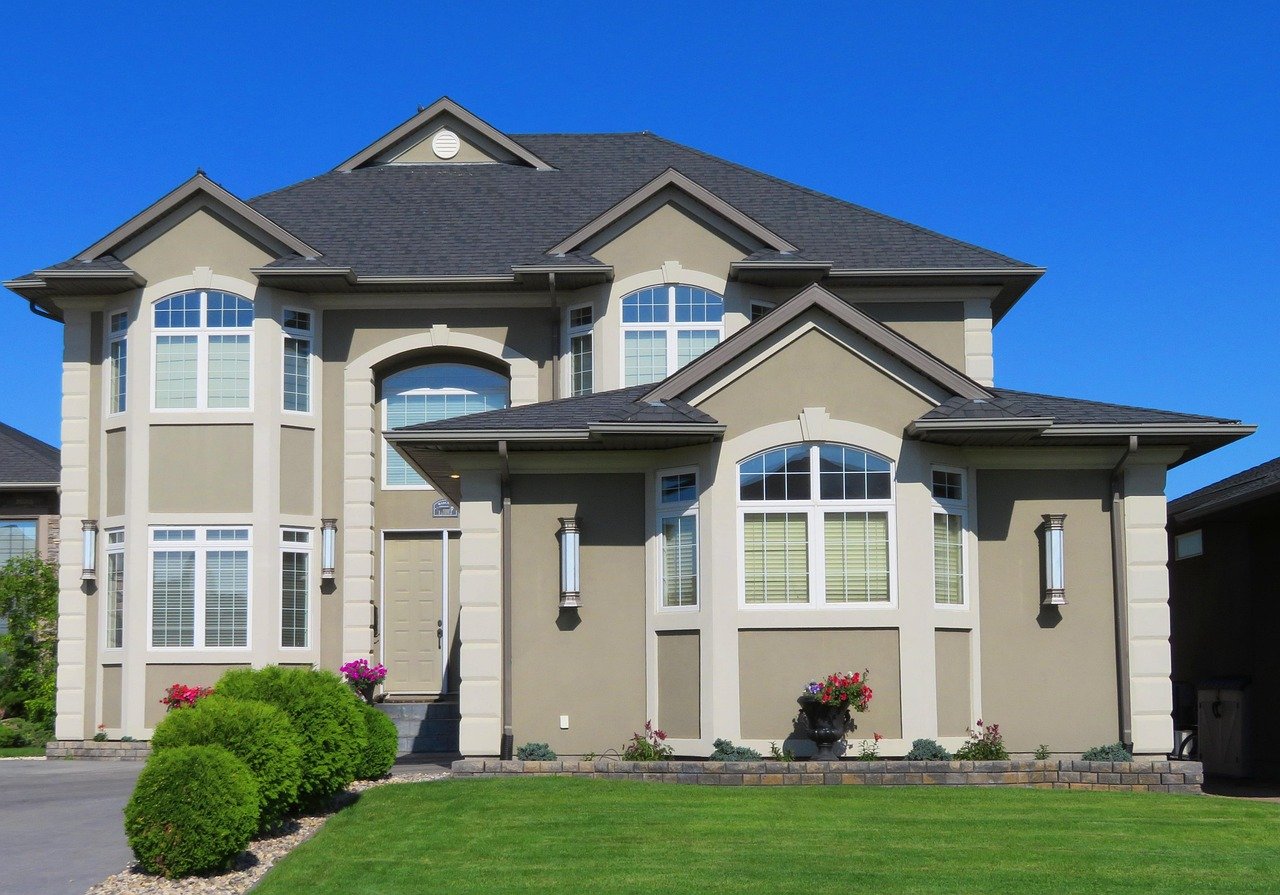

Luxury Real Estate Trends in California: Market Insights and Property Highlights
The Resilience of the Luxury Market
California’s luxury real estate market stands out as one of the most robust and resilient segments within the broader real estate landscape. Despite fluctuating economic conditions, luxury properties in California, particularly in high-demand areas such as Los Angeles, San Francisco, and coastal towns, have seen sustained interest. This resilience can be attributed to several factors including an influx of wealth, increased remote work opportunities, and lifestyle changes.
Affluent Migration Patterns
The COVID-19 pandemic accelerated a significant migration trend across the state, as affluent individuals and families sought more space and a shift in lifestyle. Areas like Napa Valley, Palm Springs, and coastal regions became hotspots as buyers transitioned away from urban centers. Notable mention is Ventura County, which has experienced a surge of interest from buyers seeking larger homes in suburban settings, complete with outdoor amenities.
Technological Integration in Luxury Homes
Integrating technology into luxury residences has shifted from being merely an advantage to a necessity. Smart home features that enhance security, efficiency, and comfort—such as advanced security systems, energy-efficient appliances, and climate control—are highly sought after. Virtual tours, VR staging, and digital marketing strategies have also become essential tools for brokers, allowing prospective buyers to explore properties from the comfort of their homes.
Sustainable Luxury Living
With increasing awareness of environmental sustainability, many luxury homebuyers are favoring eco-friendly properties. Features such as solar panels, energy-efficient materials, and sustainable landscaping are gaining traction. Notable developments in the area around Santa Barbara showcase homes built with sustainable practices that do not compromise luxury. Buyers are now more inclined to support properties that reflect their values regarding environmental stewardship.
Emerging Markets
As mentioned, migration patterns are reshaping where luxury buyers look for property. Not only are traditional hotspots such as Beverly Hills and Malibu still desired, but integrated communities in San Diego and the Sierra Nevada regions offer surprisingly luxurious options. For instance, Truckee has seen a significant uptick in luxury home sales, as buyers seek retreat-like properties that combine high-end design with natural beauty.
Unique Property Features
Contemporary luxury buyers are interested in unique property attributes that reflect their lifestyle. Open floor plans that allow for seamless indoor-outdoor living are prevalent. Outdoor amenities such as infinity pools, outdoor kitchens, and expansive decks for entertaining have become standard in new construction. Additionally, unique offerings, like private vineyards or homes with historic significance, attract buyers looking for distinctive living experiences.
High-End Communities
Luxury developments such as The Ritz-Carlton Residences in Los Angeles and the luxury enclaves within Montecito are redefining upscale living. These communities offer not only top-tier services and amenities but also a sense of exclusivity and privacy that appeals to discerning buyers. As demographic shifts continue, developers are focusing on building integrated communities that offer a lifestyle package rather than just living spaces.
Investment Trends
Investors are also playing a significant role in the luxury real estate market. With low-interest rates, wealthy buyers see high-end real estate as a stable investment opportunity. Short-term rental properties in tourist-friendly areas like Santa Monica and Palm Springs are particularly attractive, providing strong ROI while maintaining the luxury aspect. Real estate investment trusts (REITs) specializing in luxury properties are gaining popularity, allowing investors exposure to this lucrative market without direct ownership responsibilities.
Architectural Innovations and Design Trends
Luxury home designs are trending towards minimalist aesthetics blended with functional spaces. Architectural styles have shifted to feature clean lines, expansive glass windows, and open-concept interiors that maximize natural light. Moreover, wellness features, such as home gyms, meditation spaces, and spa-like bathrooms, are increasingly seen as essential in luxury homes. High-end buyers are eager to invest in properties that promote health and well-being amidst their bustling lifestyles.
Alternative Luxury Living Options
Beyond traditional single-family homes, luxury condos and resort-style living are also gaining popularity. High-rise buildings in urban centers that offer amenities like concierge services, fitness centers, and communal spaces are appealing to buyers wishing to downsize. Areas like Downtown Los Angeles are seeing a rise in luxury condominiums that cater to a sophisticated urban lifestyle, marrying convenience with high-end living.
Market Challenges
Despite the overall positive outlook, challenges such as inventory shortages and rising construction costs are impacting the luxury market. The demand often outpaces available inventory, leading to competitive bidding situations. Buyers must be aware that securing the perfect luxury property may require patience and flexibility in terms of their desired features. However, as builders adapt and innovate to meet market demands, the luxury landscape remains dynamic.
Luxury Agent Insights
Realtors specializing in luxury properties are now more essential than ever, navigating both market volatility and the luxury buyer’s specific expectations. Top agents leverage data analytics to track trends and provide clients with comprehensive market insights. Many have also shifted their strategies to emphasize relationship-building, recognizing the value of trust and communication in high-stake transactions. Personalized approach and attention to detail are key differentiators in today’s luxury market.
Future Projections
Looking forward, the luxury real estate market in California is poised to continue flourishing, driven by ongoing demand, demographic changes, and evolving lifestyle preferences. As luxury buyers increasingly consider wellness, sustainability, and technology in their purchasing decisions, properties that align with these values will see enhanced interest. The enduring appeal of California’s lifestyle, combined with strategic market adaptations, heralds exciting prospects for the state’s luxury real estate sector.
