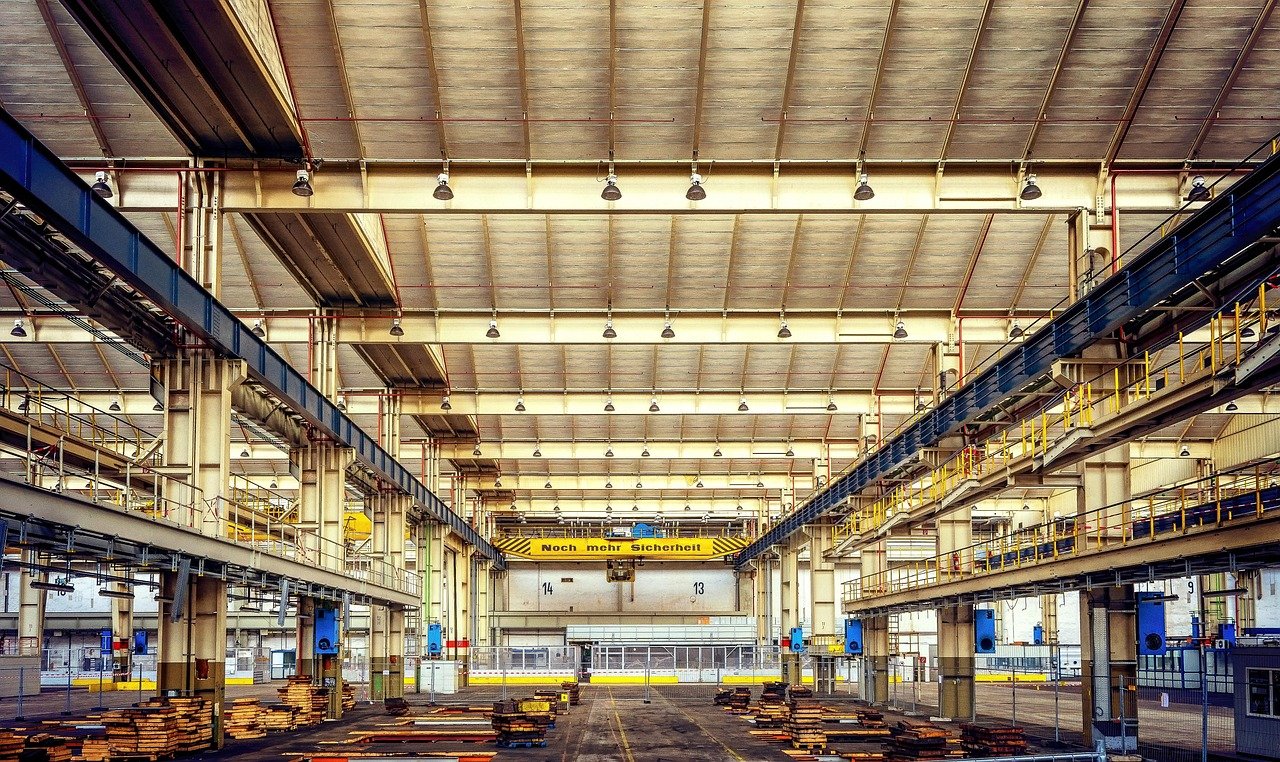

Understanding Urban Warehouse Development
Urban warehouse development refers to the construction or conversion of buildings within city limits to serve as storage and distribution centers. With the rise of e-commerce, the demand for strategically located warehouses has soared, prompting developers to rethink traditional sites.
The Growing Need for Urban Warehousing
E-commerce’s explosive growth has created a paradigm shift in logistics. Urban areas are increasingly attractive for warehouse locations due to their proximity to consumers. This shift places pressure on developers to innovate and optimize warehouse designs to fit these densely populated regions.
Site Selection Challenges
1. Zoning Regulations:
Navigating zoning laws can be challenging. Variances may be necessary if existing regulations do not accommodate warehouse functions. It’s essential to engage local authorities early in the process to understand the requirements.
2. Competition for Space:
Urban land is at a premium, creating stiff competition among developers. Factors such as proximity to transportation networks, demographic trends, and local market conditions influence optimal site selection.
3. Infrastructure Limitations:
Urban environments may lack adequate infrastructure, potentially complicating logistics operations. Developers must assess current transport links and utilities, considering future scalability and connection to larger freight networks.
Sustainable Design Considerations
1. Environmental Impact:
Developers must prioritize sustainable practices to mitigate the environmental footprint. This includes choosing eco-friendly building materials and renewable energy sources, such as solar panels.
2. Building Certifications:
Achieving certifications like LEED can enhance the building’s attractiveness to environmentally conscious tenants. Moreover, many city governments incentivize sustainable construction practices.
3. Waste Management Systems:
Implementing effective waste management systems reduces landfill contributions. Strategies such as recycling programs and composting can significantly lower waste impact.
Automation and Technology Integration
1. Smart Warehousing Solutions:
Integrating technology into warehouse operations improves efficiency. Automated inventory systems, robotics, and IoT devices streamline processes, reduce labor costs, and enhance accuracy.
2. Data Analytics:
Big data analytics can optimize supply chain management. Analyzing consumer trends enables inventory optimization, reducing overhead and improving fulfillment times.
3. Real-time Tracking Systems:
Real-time tracking boosts transparency in the supply chain. By employing RFID technology, businesses can monitor goods, improving operational efficiency and customer satisfaction.
Community Engagement in Urban Development
1. Local Stakeholder Involvement:
Engaging community stakeholders is vital for successful urban warehouse development. Collaborating with local businesses, residents, and government officials fosters goodwill and support.
2. Addressing Community Concerns:
Developers must be prepared to address concerns regarding traffic, noise, and environmental impacts. Hosting public forums and providing clear, transparent communications can ease tensions.
3. Economic Impact Analysis:
Demonstrating the potential economic benefits, such as job creation and increased local tax revenues, can positively influence community perceptions, paving the way for smoother project execution.
Navigating Financial Challenges
1. Securing Financing:
Urban development projects often require substantial upfront investment. Developers must explore various financing options, including traditional bank loans, private equity, and government grants.
2. Tax Incentives and Grants:
Many cities offer tax incentives or grants for developing warehouses in urban areas. Familiarity with these programs can significantly alleviate financial pressures on developers.
3. Cost Management Strategies:
Accurate cost estimations and contingency planning are critical. Employing effective project management practices can prevent budget overruns and delays.
Regulatory Compliance
1. Health and Safety Regulations:
Meeting health and safety standards is non-negotiable. Ensuring the warehouse complies with OSHA and local safety regulations protects workers and minimizes liability issues.
2. Accessibility Requirements:
Designing warehouses to be accessible for individuals with disabilities is essential. Developers must adhere to the Americans with Disabilities Act (ADA) regulations to avoid potential lawsuits.
3. Environmental Regulations:
Compliance with local, state, and federal environmental regulations is crucial. This includes permitting processes that enforce emissions standards and waste disposal laws.
Innovative Design Features
1. Multi-Story Warehousing:
In urban settings where land is limited, multi-story warehouses can maximize space. These designs incorporate vertical racking systems and innovative material handling solutions to streamline operations.
2. Flexible Spaces:
Designing warehouses with flexible layouts allows for adaptability. Spaces can be repurposed for various functions such as sorting, office space, or additional storage.
3. Urban Micro-Warehouses:
As urban populations grow, micro-warehouses, or smaller facilities that cater to last-mile delivery, are emerging. These can be strategically placed within urban landscapes to facilitate quick fulfillment.
Transportation and Logistics Coordination
1. Multi-Modal Transport Options:
Opting for locations with multi-modal transport options—such as access to rail, highways, and airports—enhances a warehouse’s logistical efficiency.
2. Traffic Flow Management:
Developing traffic management plans alleviates congestion concerns associated with increased freight traffic. Utilizing technology to optimize routes can significantly improve delivery times.
3. Last-Mile Delivery Solutions:
Coordinating with last-mile delivery services is essential for urban warehouses. Partnerships with local courier and logistics companies help streamline last-mile logistics, enhancing overall service delivery.
Conclusion
Urban warehouse development presents unique challenges that require strategic planning and innovative solutions. Engaging with local communities, leveraging sustainable practices, integrating advanced technologies, and navigating regulatory landscapes are critical to successfully capitalizing on the demands of urban logistics.
