
The Rise of Mixed-Use Developments
In cities like New York, Los Angeles, and Seattle, mixed-use developments are becoming increasingly popular. These projects combine residential, commercial, and recreational spaces into single complexes, thereby maximizing land use while promoting a more vibrant, walkable urban environment. This trend not only addresses housing shortages but also fosters a sense of community by providing residents with amenities such as restaurants, shops, and parks within close proximity to their homes.
Shifts Towards Sustainable Living
Eco-friendly apartments are increasingly in demand as residents become more environmentally conscious. Cities are responding by incorporating sustainability features into new developments. For instance, San Francisco is promoting green building practices that emphasize energy-efficient appliances, solar energy, and sustainable materials. Additionally, many new apartments feature green roofs and community gardens, enhancing urban biodiversity while providing residents with tranquil outdoor spaces.
Technology Integration
Smart apartment technology is transforming the way residents interact with their living spaces. Features like smart thermostats, automated lighting, and integrated security systems have become prevalent, particularly in tech-forward cities such as San Jose and Austin. These innovations not only enhance convenience but also improve energy efficiency and security. Developers are increasingly catering to tech-savvy millennials and Generation Z renters who prioritize tech features when selecting apartments.
Affordable Housing Initiatives
In response to growing affordability challenges, especially in metropolitan areas, several cities are implementing affordable housing initiatives. For example, Los Angeles has introduced policies that require a percentage of units in new developments to be designated as affordable. Similarly, in New York City, the “Mandatory Inclusionary Housing” program ensures that new developments include affordable units, thereby enabling a diverse mix of residents.
Back to the City: Urban Revitalization
Many cities are experiencing a renaissance in urban living, driven by a “back to the city” movement. Young professionals and families are moving out of suburban areas in search of the vibrancy and convenience offered by city centers. As a result, developers are revitalizing previously neglected neighborhoods, bringing new life to areas that were once considered undesirable. The transformation of places like the South Bronx in New York and the Dilworth neighborhood in Charlotte showcases this trend, leading to increased property values and enhanced community engagement.
High-End Rental Markets
The luxury apartment market continues to flourish in cities such as Miami and San Francisco, with developers creating high-end residences that offer unparalleled amenities. These developments often include features such as rooftop pools, fitness centers, and concierge services. The emphasis on lifestyle-oriented amenities reflects a shift in consumer preferences, positioning these apartments as not just homes, but lifestyles.
The Popularity of Co-Living Spaces
Co-living spaces have emerged as an attractive alternative for many renters. This trend particularly appeals to young professionals seeking affordable options in high-cost cities. Co-living fosters a sense of community while offering individual privacy through private bedrooms within shared apartments. Cities like Washington, D.C., and Boston are seeing a rise in such communal living arrangements, catering to a generation that values experiences over ownership.
The Importance of Outdoor Spaces
Post-pandemic life has highlighted the significance of outdoor spaces in apartment complexes. Developers are increasingly incorporating balconies, terraces, and shared green areas into their designs. In cities such as Denver and Portland, outdoor amenities are now considered essential, as residents seek refuge from city life and a space to relax, exercise, or socialize with neighbors.
Transit-Oriented Development
The integration of transit-oriented development (TOD) is a growing priority for cities looking to alleviate traffic congestion and promote sustainable living. By building apartments near public transportation hubs, cities can reduce reliance on cars, encouraging residents to use buses, trains, or bikes. Cities like Chicago and Seattle are investing in transit infrastructure and housing projects to create more walkable, connected urban environments.
Innovative Financing Solutions
To keep pace with rising construction costs and the demand for affordable housing, innovative financing solutions are gaining traction. Public-private partnerships, community land trusts, and low-income housing tax credits are examples of financing mechanisms that facilitate the development of affordable housing. These initiatives are critical in cities like Philadelphia and Miami, where housing costs have outpaced wage growth.
Community Engagement in Development
Cities are placing greater emphasis on community involvement in the development process. Innovative online platforms and town hall meetings allow residents to voice their opinions on proposed projects, fostering transparency and inclusivity. In cities like Denver, this collaborative approach ensures that new developments align with the needs of local communities, resulting in harmonious growth that respects existing neighborhoods.
Short-Term Rentals and Regulatory Changes
The rise of short-term rentals has prompted cities to reassess their regulatory frameworks. While platforms like Airbnb and Vrbo provide income-generating opportunities for property owners, they also contribute to housing supply issues in some cities. As a response, cities such as Santa Monica and New Orleans are implementing stricter regulations to balance the interests of residents, tourists, and the local economy.
Rethinking the Concept of Space
The COVID-19 pandemic has prompted a reevaluation of apartment layouts and designs. Developers are rethinking common spaces, incorporating multifunctional areas that can adapt to remote working trends. Open floors and flexible layouts are becoming the standard in new developments, making apartments more livable and accommodating for residents who spend more time at home.
Focus on Safety and Security
In an age where safety concerns are paramount, developers are prioritizing secure living environments. Gated entries, enhanced lighting, and 24-hour security personnel are increasingly common features in new apartment developments. In cities with higher crime rates, such as Baltimore or St. Louis, these security measures can be vital selling points for attracting residents who seek peace of mind in their living arrangements.
Resiliency Against Climate Change
As natural disasters become more frequent, there is a growing focus on resiliency in apartment design. Developers are incorporating materials and construction techniques that withstand environmental stresses, particularly in regions prone to floods, hurricanes, or wildfires. Cities like Miami and Houston are emphasizing zoning laws and building codes that support resilient construction and urban planning.
Diversity of Housing Options
The evolving landscape of apartment living reflects an increasing emphasis on diverse housing options. Builders are recognizing the need for varied unit types that cater to different demographics—from single professionals to families and retirees. This diversity is evident in cities like Austin and Nashville, where developers are offering a range of layouts and sizes to meet the evolving needs of the populace.
Urban Parks and Green Spaces
The integration of urban parks and green spaces is becoming a key component of apartment developments. Recognizing that access to nature can enhance quality of life, cities like Minneapolis are incorporating green spaces into residential projects. Parks promote physical health, foster community interaction, and serve as essential recreational areas within densely populated urban settings.
Trends in Interior Design
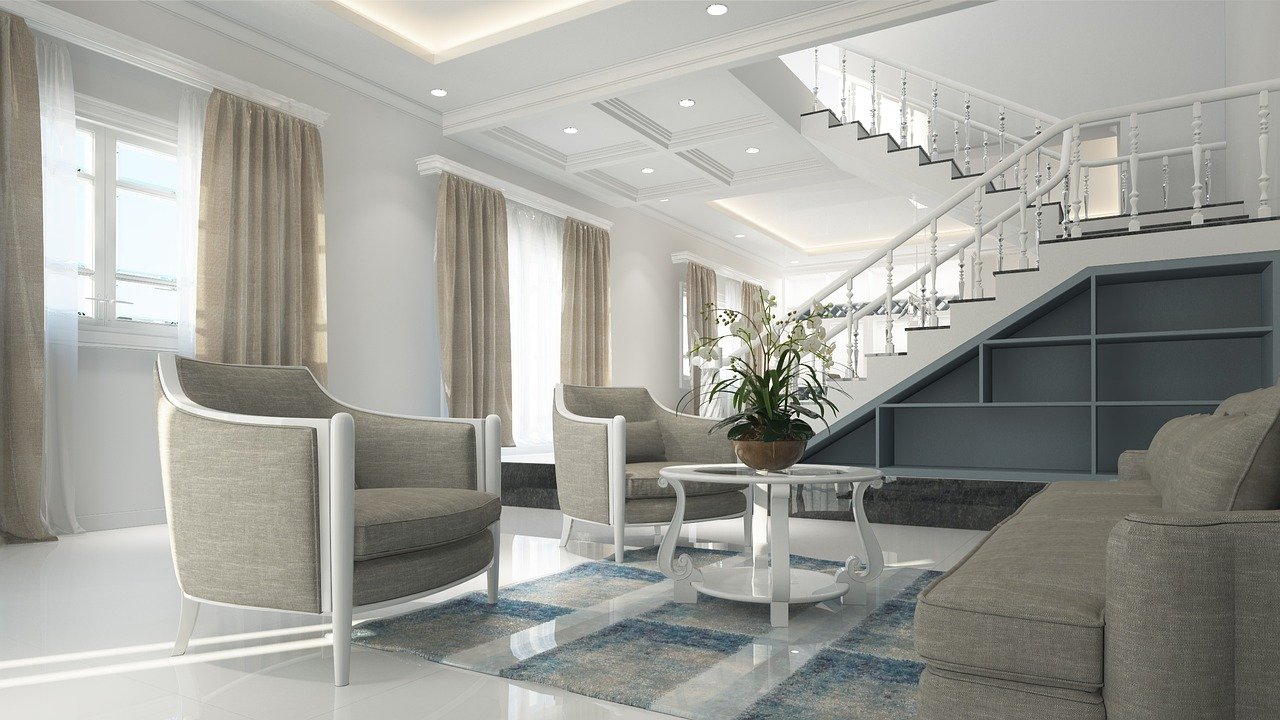
Interior design trends in apartments are shifting towards minimalist aesthetics combined with the use of sustainable materials. Designers are opting for open layouts that maximize natural light and create a sense of space. The use of biophilic design elements—such as indoor plants, natural finishes, and large windows—has also gained popularity, aligning with residents’ desires for connectedness to nature within their homes.
Conclusion
As the landscape of apartment living continues to evolve, urban areas across the United States are undergoing significant transformations. These developments reflect changing demographics, economic conditions, and cultural shifts, ultimately enabling cities to adapt and thrive in an ever-changing environment. The future of apartment living appears dynamic, with new opportunities emerging continuously as cities innovate to meet the needs of their residents.
